Optimizing Ocean Freight Operations in a Digital Era
Sunday, October 4 2026
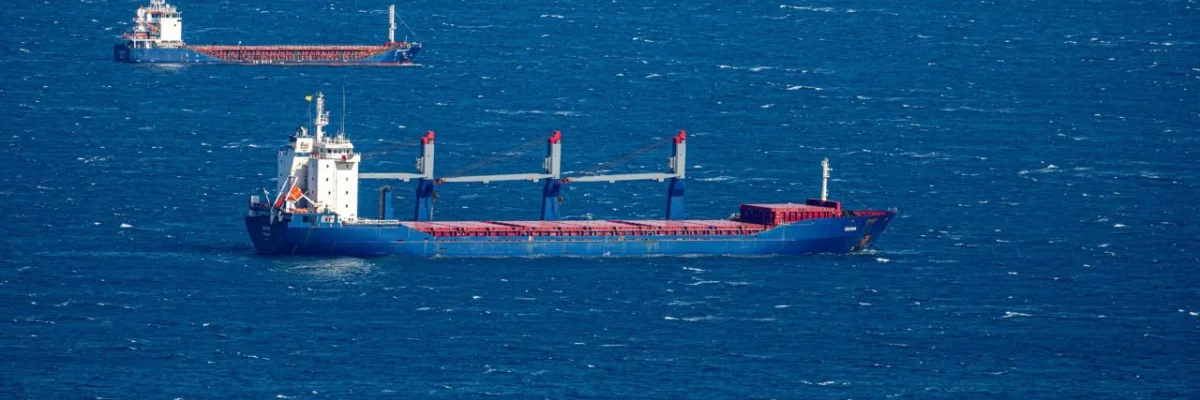
Ocean freight remains the backbone of global commerce, yet the volatility of the current market demands unparalleled precision and agility from forwarders. As global supply chains face unprecedented pressure, moving cargo efficiently requires more than just traditional shipping methods. Freight forwarders must embrace digital transformation to maintain visibility and control over complex logistics routes. By leveraging cloud-based software solutions, professionals can mitigate risks, reduce overhead costs, and enhance the overall customer experience. This shift towards data-driven operations is not merely a competitive advantage but a necessity for surviving and thriving in the modern maritime transportation environment.
Modernizing Documentation Workflows

Effective document management sits at the core of successful ocean freight operations. Moving away from manual paper processes ensures that critical shipping information is accurate, accessible, and compliant with international standards, ultimately reducing the likelihood of costly delays at the port.
- Automated bill generation: Modern platforms automatically populate bills of lading using real time data, which drastically reduces manual entry errors and ensures total accuracy for every outbound shipment across borders.
- Digital document storage: Keeping all essential shipping files within a secure cloud environment allows teams to retrieve documents instantly from any location without searching through physical filing cabinets or emails.
- Enhanced compliance tracking: Automated systems monitor regulatory updates in real time, alerting your team to changes in maritime law so that you always remain compliant with international trade requirements.
- Streamlined custom clearance: Digital integration with customs authorities facilitates faster processing times for declarations, allowing your cargo to move through checkpoints without the typical bureaucratic bottlenecks or paperwork delays.
Transitioning to a paperless environment fundamentally changes how forwarders interact with shipping lines and carriers. By centralizing data in a single source of truth, teams eliminate the friction associated with fragmented communication. This operational efficiency not only speeds up the entire logistics lifecycle but also provides a superior level of transparency for your clients who expect instant updates regarding their critical cargo movements.
Real Time Shipment Visibility
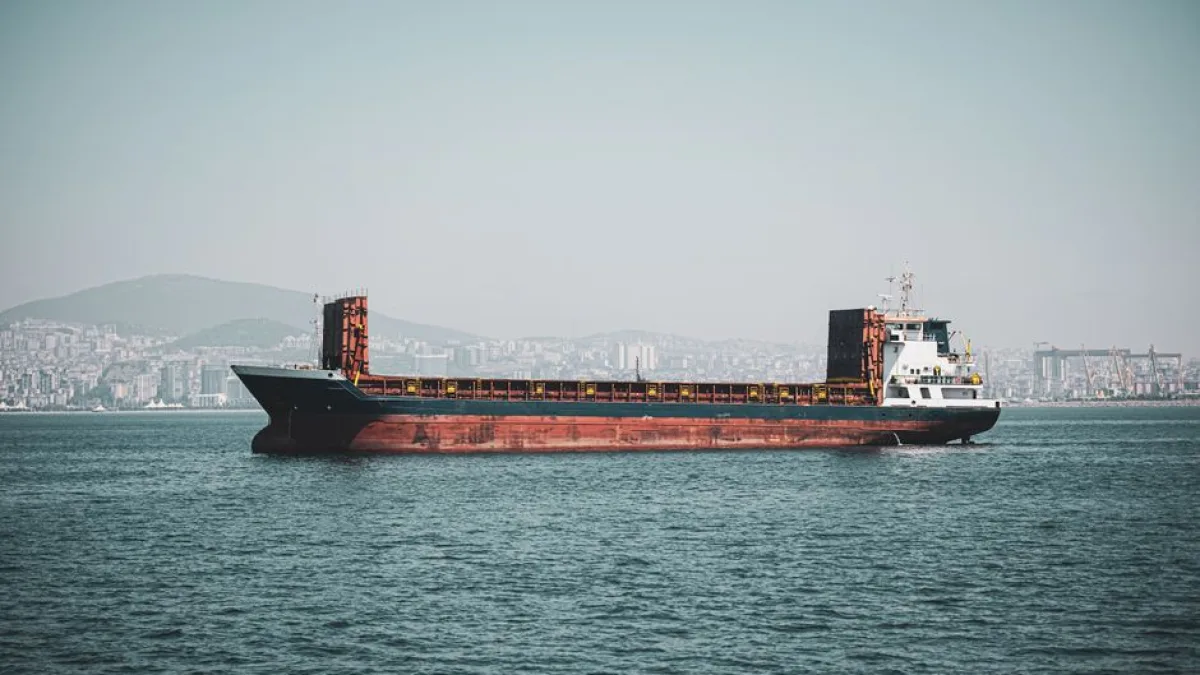
Tracking shipments in real time has become the standard expectation for global shippers. By integrating advanced tracking technologies into your workflow, you gain full insight into container status, port congestion, and vessel schedules throughout the entire transit process.
- Live vessel tracking: Integration with global maritime databases provides constant updates on vessel positions, allowing you to proactively manage expectations if weather or port delays affect arrival times.
- Container status alerts: Automated notifications keep your team informed whenever a container status changes, ensuring that you can respond to milestones like gate-in or vessel departure without delay.
- Port congestion analytics: Accessing real time data regarding terminal activity helps forwarders select more efficient ports and adjust route planning to avoid significant wait times for your clients.
- Improved customer transparency: Providing clients with an automated portal access to their shipment status builds immense trust while reducing the volume of inbound status update inquiries for staff.
Visibility serves as the foundation for building long term relationships with shippers. When your clients can see exactly where their cargo is located at any moment, they gain confidence in your ability to manage their logistics chain effectively. Implementing robust tracking tools enables your firm to act as a proactive partner rather than just a service provider handling basic cargo movements.
Optimizing Carrier Selection
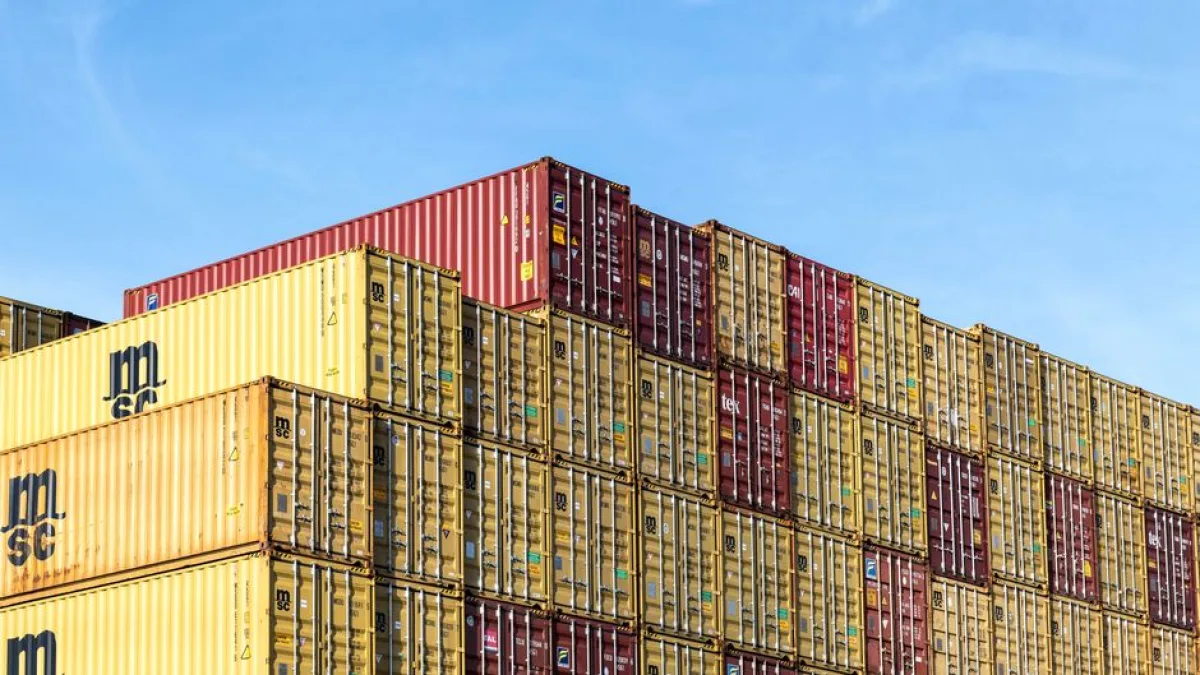
Choosing the right carrier is essential for balancing costs and transit speeds. Analytical tools allow freight forwarders to compare various shipping lines based on historical performance, pricing, and service reliability, leading to more informed and profitable routing decisions.
- Performance data analysis: Reviewing historical data on carrier lead times helps you identify which shipping lines consistently meet deadlines, ensuring you provide reliable service to your diverse client base.
- Automated rate comparisons: Comparing thousands of freight quotes instantly from multiple carriers enables you to find the most cost effective solution for every specific shipment requirement you manage.
- Route optimization tools: Advanced software calculates the most efficient transit paths by factoring in fuel surcharges, terminal fees, and historical weather patterns to maximize your profit margins per booking.
- Carrier contract management: Digitally tracking your carrier contracts and incentive programs ensures you always leverage the best available pricing tiers while keeping your operational costs as low possible.
Strategic carrier selection defines your success in the volatile ocean freight market. By utilizing data to guide your negotiations and bookings, you avoid the pitfalls of manual estimation and reactive decision making. This analytical approach empowers your team to secure competitive rates while maintaining high service standards, ensuring your freight forwarding business remains profitable despite fluctuations in global shipping rates and vessel capacity.
Automated Financial Management

Managing complex financial workflows in ocean freight requires strict attention to detail and speed. Automated billing, invoicing, and profit tracking ensure that your cash flow remains positive while reducing the administrative burden on your accounting department throughout the month.
- Integrated invoice automation: Syncing your freight operations with accounting software ensures that invoices are generated and sent immediately after shipment delivery, significantly improving your overall accounts receivable cycles.
- Profitability per shipment: Detailed reporting dashboards allow you to view the exact margin on every booking, enabling you to identify which customers or routes provide the best value.
- Currency fluctuation monitoring: Automated tools adjust pricing and accounting records based on current exchange rates, preventing potential revenue losses during cross border transactions involving multiple foreign currencies daily.
- Seamless payment integration: Offering digital payment methods to your clients facilitates faster transactions, which enhances your cash flow and minimizes the time spent on manual collections follow up.
Streamlined financial management allows your firm to focus on growth rather than tedious bookkeeping tasks. By automating the link between operational activity and accounting entries, you eliminate human error and gain clear insight into your company financial health. This level of control provides the stability necessary to invest in new services, expand your global network, and continue scaling your operations for future success.
Conclusion
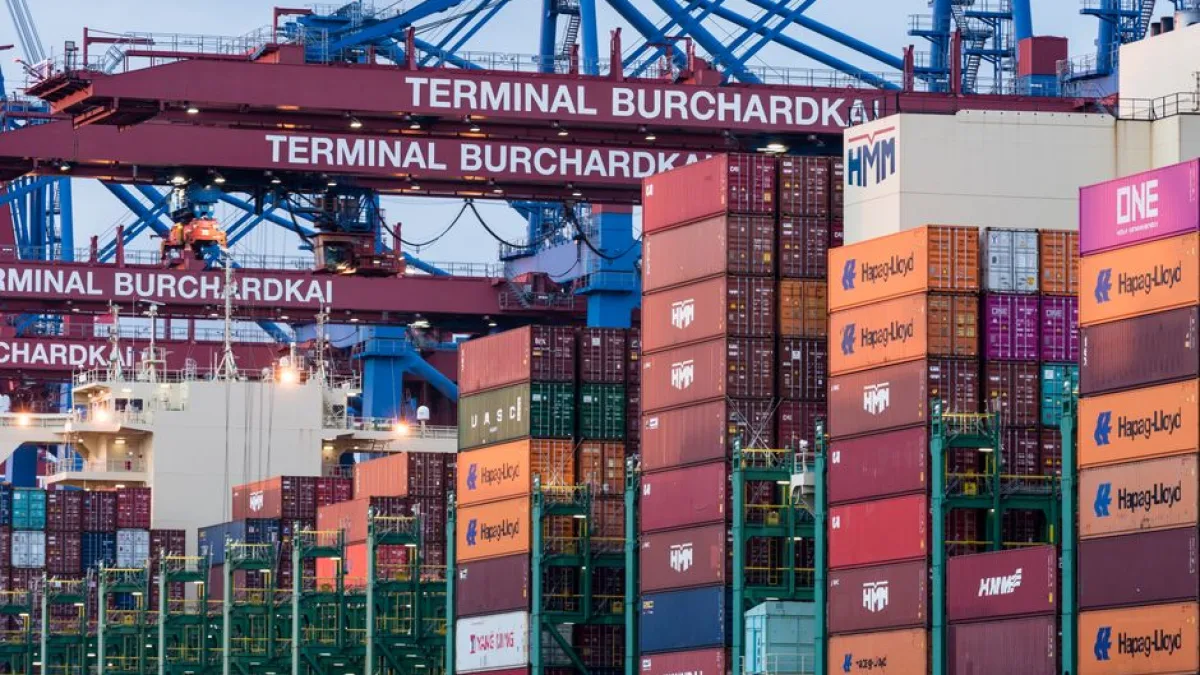
Advancing your ocean freight operations through digital technology is the key to thriving in today competitive market. By focusing on visibility, efficient documentation, carrier optimization, and smart financial management, you position your firm as an industry leader. Start integrating these advanced tools into your daily workflow today to boost efficiency and ensure your logistics business is ready for the future of global trade.