Optimizing Ocean Freight Operations in a Digital Era
Wednesday, October 7 2026
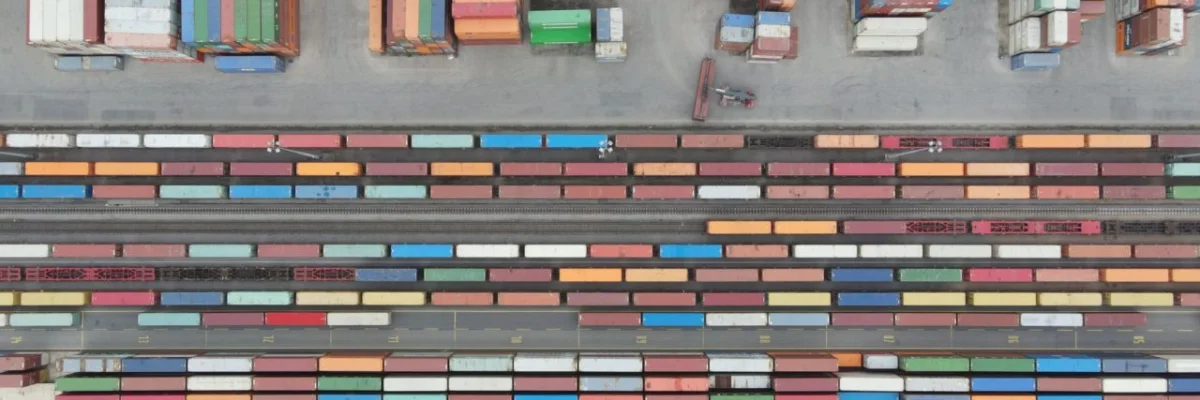
Global trade relies heavily on the efficiency of ocean freight operations to keep supply chains moving across vast distances. Freight forwarders today face unprecedented challenges, from fluctuating fuel costs to port congestion and complex documentation requirements. Navigating these complexities requires more than just traditional manual processes. By embracing cloud-based logistics software, forwarders can gain real-time visibility, automate tedious workflows, and improve communication across the entire shipping lifecycle. This transition toward digitization is no longer a luxury but a fundamental necessity for staying competitive in the modern maritime landscape, ensuring that cargo reaches its final destination with speed and precision.
Leveraging Real-time Cargo Visibility
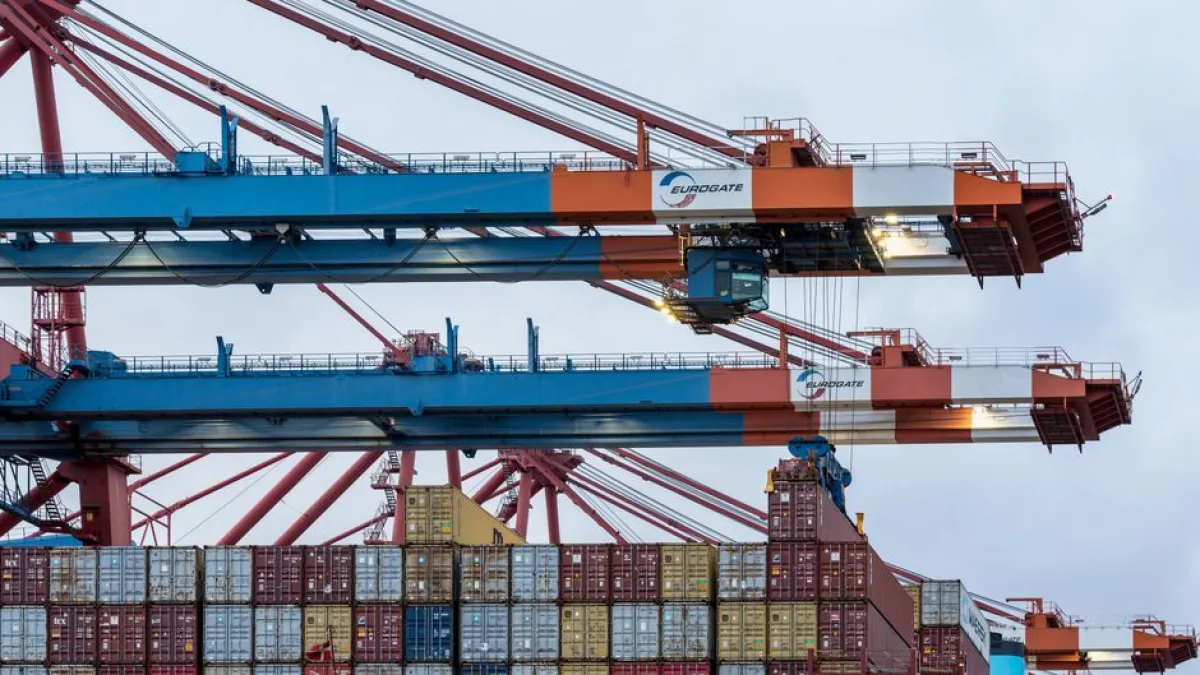
Monitoring shipments in real-time is vital for maintaining transparency throughout the supply chain. Advanced digital platforms provide instant status updates, allowing teams to anticipate delays and proactively address potential issues before they escalate into major disruptions for customers or stakeholders.
- Enhanced shipment tracking: Digital tools integrate directly with carrier data to provide precise location updates, ensuring that both internal teams and end clients remain fully informed about transit progress.
- Proactive delay management: Automated alerts notify operations teams immediately when a vessel encounters port congestion or weather disruptions, facilitating quick decision making to mitigate any negative impact on deliveries.
- Data driven insights: Utilizing analytics helps forwarders identify recurring bottlenecks in specific lanes, enabling them to adjust planning strategies and improve overall transit times for their recurring shipping volume.
- Customer trust building: Providing clients with an intuitive portal for tracking builds lasting relationships through transparency, demonstrating professionalism and reliability in every single stage of the complex logistics process.
By prioritizing visibility, freight forwarders create a robust buffer against the inherent unpredictability of international ocean shipping. Real-time access to accurate data empowers staff to transition from reactive problem solving to strategic planning. This shift not only preserves profit margins but also drastically enhances the customer experience, positioning your firm as a modern, reliable partner in an increasingly demanding and fast paced global market.
Streamlining Complex Documentation Workflows

Managing the overwhelming volume of shipping documentation is a common pain point for many freight forwarders. Digital solutions automate the creation and distribution of essential shipping papers, drastically reducing the manual effort required to keep critical trade documents organized.
- Automated bill generation: Software solutions allow for the rapid generation of bills of lading and invoices, minimizing human error and ensuring that all financial records remain consistent and accurate.
- Cloud document storage: Centralizing all shipping records in a secure cloud environment guarantees that team members can access necessary paperwork from any location, improving collaboration and operational speed.
- Seamless compliance management: Built in logic checks ensure that all trade documentation meets international regulatory standards, preventing costly customs delays and fines during the complex import process.
- Reduced manual entry: Automated data extraction from emails or supplier documents eliminates repetitive typing tasks, allowing your operations team to focus their valuable time on high value strategic initiatives.
Efficiency in documentation is the backbone of a successful freight forwarding firm, preventing the backlogs that often plague traditional shipping operations. By automating these repetitive administrative tasks, forwarders can significantly decrease overhead costs while increasing their throughput capacity. When paperwork moves as fast as the physical cargo, businesses can scale their operations effectively without needing to add extensive administrative headcount annually.
Strengthening Carrier and Vendor Communication

Clear communication serves as the bridge between global shipping partners, including ocean carriers and local drayage providers. Integrated platforms provide a unified communication space, ensuring that everyone involved in the freight journey has access to the latest critical information.
- Centralized messaging hubs: All communications related to specific shipments are stored within the platform, preventing information silos and ensuring that key details are never lost within fragmented email chains.
- Partner collaboration portals: Dedicated portals allow carriers and vendors to input status updates directly, reducing the need for back and forth emails and speeding up overall data flow.
- Standardized data exchange: Implementing standard communication protocols ensures that all international partners interpret information consistently, which reduces misunderstandings and prevents common errors in booking and container handling.
- Instant status notifications: Automated messages keep all relevant stakeholders updated on cargo milestones, maintaining high levels of accountability and efficiency across the entire vendor network during peak shipping seasons.
Effective collaboration is essential for managing the moving parts of ocean freight, where numerous parties must coordinate perfectly to meet deadlines. By centralizing communication through cloud software, forwarders create a transparent environment where accountability is clear and errors are minimized. This level of coordination simplifies complex logistics projects and fosters long term partnerships with carriers, which is crucial for securing capacity during market shortages.
Embracing Scalable Cloud Infrastructure

The future of ocean freight forwarding is inherently linked to the adoption of scalable cloud infrastructure. Cloud technology offers the flexibility needed to manage seasonal surges in shipping demand while providing the security necessary for handling sensitive trade information.
- Remote access capabilities: Cloud platforms support a distributed workforce, enabling team members to manage global operations efficiently from any location while maintaining constant access to secure database resources.
- Elastic system capacity: Modern software scales easily to accommodate business growth, allowing forwarders to increase transaction volumes without needing to overhaul their existing technological hardware or server infrastructure.
- Robust data security: High level encryption and regular automated backups protect your company from cyber threats, ensuring that vital business data remains private, secure, and available at all times.
- Regular system updates: Cloud based software providers deliver continuous feature enhancements and security patches automatically, keeping your firm at the cutting edge of logistics technology without internal maintenance.
Investing in cloud infrastructure provides a solid foundation for sustainable growth in the logistics industry. It empowers companies to react quickly to changing market conditions and customer demands by providing a stable yet flexible technological environment. As digital transformation continues to reshape maritime shipping, firms that leverage cloud power will find themselves better equipped to outpace competitors and deliver superior value to clients.
Conclusion
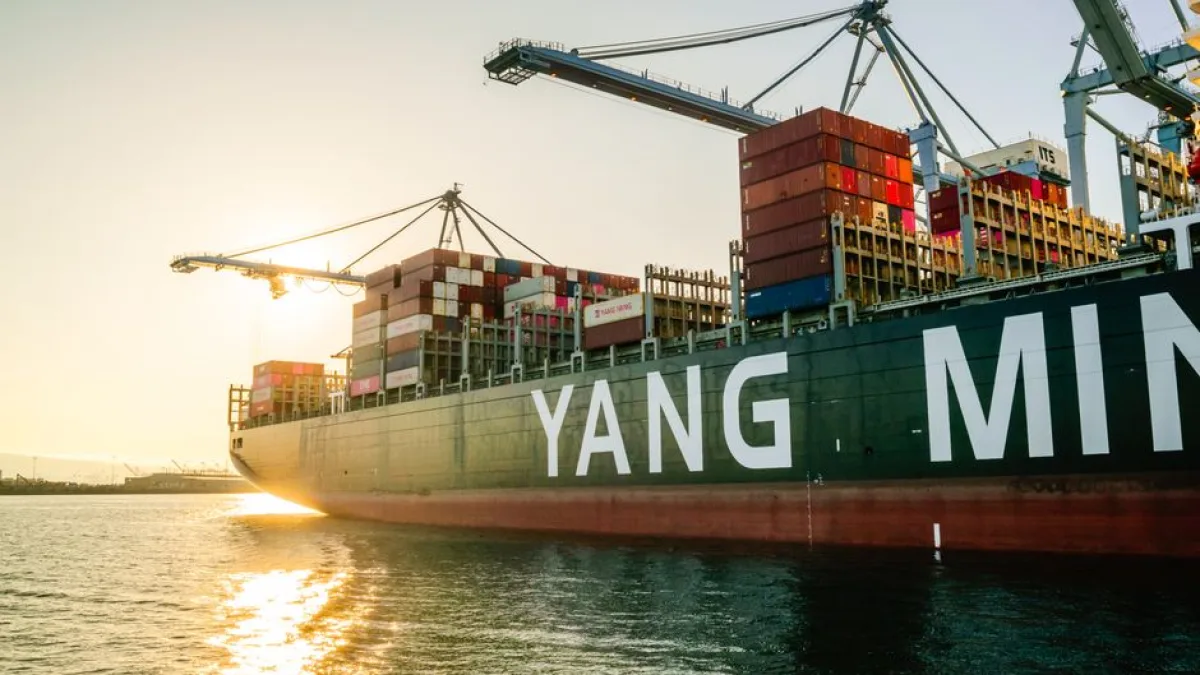
Modernizing your ocean freight operations is a strategic move that delivers measurable benefits in efficiency, accuracy, and client satisfaction. By integrating cloud technology, your firm can overcome the hurdles of documentation, visibility, and communication that traditionally impede logistics performance. Now is the time to embrace digital innovation and elevate your service quality, ensuring long term success within the dynamic and competitive global freight forwarding marketplace.