Optimizing Ocean Freight Operations in a Digital Era
Friday, October 9 2026
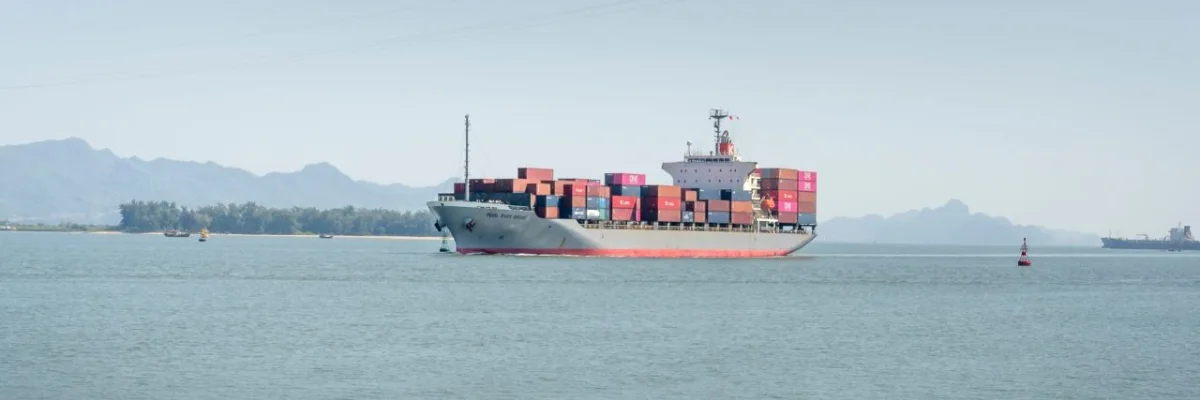
The global ocean freight industry is navigating a period of unprecedented complexity, driven by shifting trade patterns and the rising demand for real-time visibility. For freight forwarders, relying on manual processes or disconnected legacy systems is no longer a viable strategy to remain competitive in such a volatile market. By leveraging cloud-based platforms like MakeCargo, logistics professionals can centralize their data, automate labor-intensive documentation, and provide customers with the transparent updates they now expect. Embracing digital transformation is the critical step toward building a more resilient, scalable, and efficient freight forwarding business that thrives despite the unpredictability of international maritime supply chains.
Mastering Carrier Capacity Management
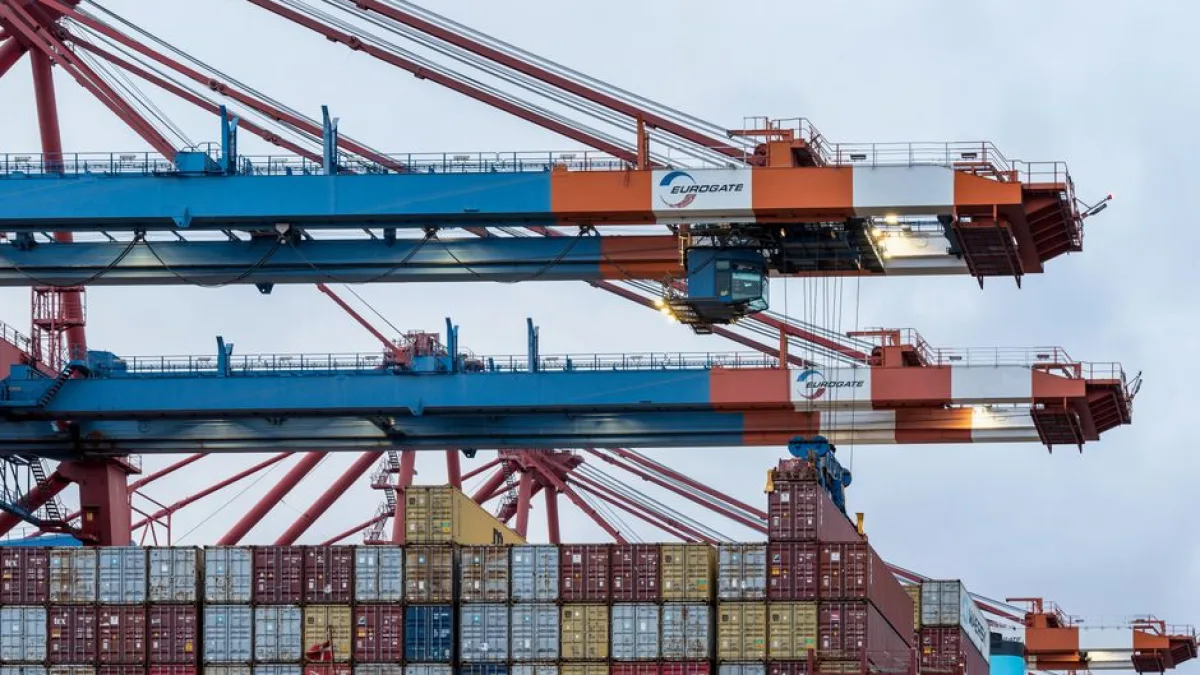
Efficiently managing carrier capacity is the backbone of successful ocean freight operations. When you have immediate access to space availability and slot booking options, you can secure competitive rates and ensure consistent space allocation for your high-priority shipping clients.
- Real-time space visibility: Integrated platforms allow users to monitor carrier space in real time, preventing booking delays and ensuring that your cargo moves according to the original shipment schedule.
- Automated rate procurement: Advanced software tools compare multiple carrier quotes instantly, enabling you to select the best route and cost options without the need for manual spreadsheet updates.
- Streamlined booking workflows: Digital booking integrations reduce errors by transferring shipment details directly from your software to the carrier portal, saving valuable administrative time for your logistics team.
- Capacity trend forecasting: Predictive analytics help your team identify seasonal shifts in capacity, allowing you to negotiate better rates with carriers before the market becomes overly constrained.
By implementing a robust capacity management strategy, your firm gains a significant edge in a crowded market. Automated tools handle the heavy lifting, allowing your staff to focus on strategic client relationship management rather than repetitive data entry tasks. This transition to digitized workflows significantly reduces human error and enhances your overall operational capacity to handle higher volumes of international ocean freight shipments reliably.
Enhancing Shipment Tracking Transparency

Modern clients demand instant visibility into their ocean freight status. Moving away from manual email updates toward live tracking dashboards empowers your customers, reduces your workload, and establishes your brand as a transparent and reliable partner in the global market.
- Live GPS tracking: Integrated mapping features provide your clients with up-to-the-minute updates on vessel locations, ensuring complete visibility from the departure port to the final destination delivery point.
- Proactive milestone alerts: Automated notification systems send instant updates to stakeholders when a shipment reaches key milestones, minimizing customer inquiries and reducing the time spent on manual communication.
- Exception management tools: When delays occur, your team can instantly identify the affected shipments and provide accurate alternatives to customers, maintaining trust even during difficult transit disruptions.
- Client-facing portals: Providing your customers with a dedicated login area allows them to view their shipment documents and status updates independently, improving satisfaction and your operational efficiency.
Achieving total transparency creates a superior experience that drives long-term client retention and positive referrals. When customers feel empowered by the data they access through your professional platform, they are more likely to grow their business with you. Streamlined tracking processes ultimately minimize the volume of routine status requests, allowing your customer service team to provide high-value support when it matters.
Streamlining Documentation and Compliance

Handling complex documentation for ocean freight can be a source of significant delays if managed inefficiently. Automating the creation and validation of bills of lading, commercial invoices, and customs forms ensures that your shipments remain compliant with international regulations.
- Standardized digital forms: Using built-in templates ensures that every document follows industry standards, significantly reducing the risk of customs rejections and the associated heavy financial penalty fees.
- Automated data population: Our platform pulls data from existing shipment records to populate forms automatically, eliminating duplicate entry and ensuring consistency across all required international transit paperwork.
- Secure document archiving: Centralized digital repositories keep your essential shipment files organized and accessible for audits, providing peace of mind and simplified record keeping for your logistics organization.
- Digital signature integration: Implementing electronic signature workflows accelerates the approval of critical shipping documents, reducing the turnaround time for releasing cargo at ports around the world.
Consistent document management is essential for avoiding costly detention and demurrage charges caused by paperwork errors. By automating these essential tasks, you protect your company from regulatory risks while significantly increasing the daily output of your documentation team. A clean, paperless flow of data simplifies the entire lifecycle of an ocean freight shipment, making your operations faster, leaner, and remarkably more profitable.
Scaling Through Cloud Integration

Cloud-based software is the ultimate catalyst for scaling a freight forwarding business. By removing the limitations of on-site servers, you can empower remote teams to collaborate seamlessly while ensuring data security and system uptime for your entire logistics operation.
- Remote team collaboration: Cloud access ensures that your staff can manage shipments from any location globally, fostering a flexible work environment that attracts and retains top talent.
- High data security: Industry-standard encryption and automated cloud backups protect your sensitive shipment data against cyber threats, ensuring business continuity in an increasingly digital threat landscape.
- Seamless software scaling: As your cargo volumes grow, cloud systems adapt effortlessly to handle increased transaction counts without requiring major hardware investments or complex system overhauls.
- Real-time data synchronization: Updates made in one region are instantly visible to the entire team, preventing communication silos and ensuring that every stakeholder works with the latest information.
Adopting cloud technology allows your freight forwarding company to evolve at the pace of the modern global economy. You are no longer tethered to localized infrastructure, giving your business the agility required to enter new trade lanes and expand your presence across international borders. Investment in a scalable cloud platform is a foundational step toward long-term growth and sustained operational success.
Conclusion
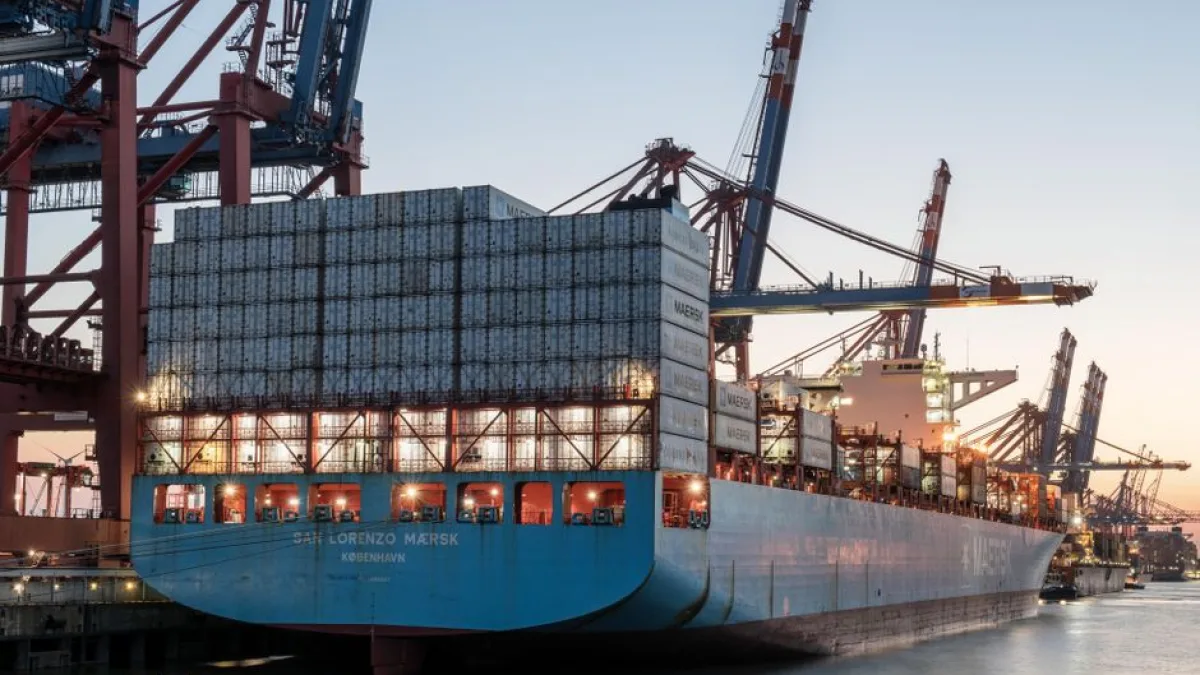
Optimizing your ocean freight operations is a continuous process that rewards those who prioritize digital innovation and efficient systems. By leveraging MakeCargo to manage capacity, tracking, documents, and infrastructure, you position your firm to outperform competitors. Start modernizing your workflows today to realize significant gains in productivity and client satisfaction. Your journey toward a more agile and profitable future in freight forwarding begins now.