Optimizing Ocean Freight Operations in a Digital Era
Saturday, October 24 2026
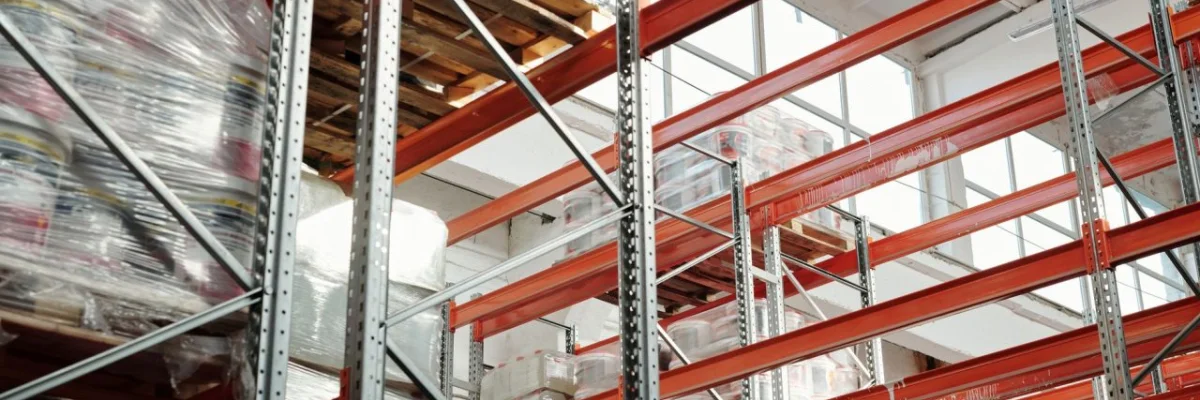
The global shipping industry is undergoing a profound transformation as freight forwarders shift away from manual processes toward integrated digital solutions. As supply chain complexities increase, ocean freight professionals must leverage real-time data to maintain competitive advantages and satisfy demanding customer expectations. Managing vessel schedules, container tracking, and complex documentation requires a robust infrastructure that bridges the gap between traditional maritime operations and modern logistics software. By adopting cloud-based platforms like MakeCargo, businesses can eliminate operational bottlenecks, ensure seamless communication between stakeholders, and ultimately drive higher profitability across all international maritime routes in this rapidly evolving and highly dynamic global marketplace.
Mastering Container Logistics
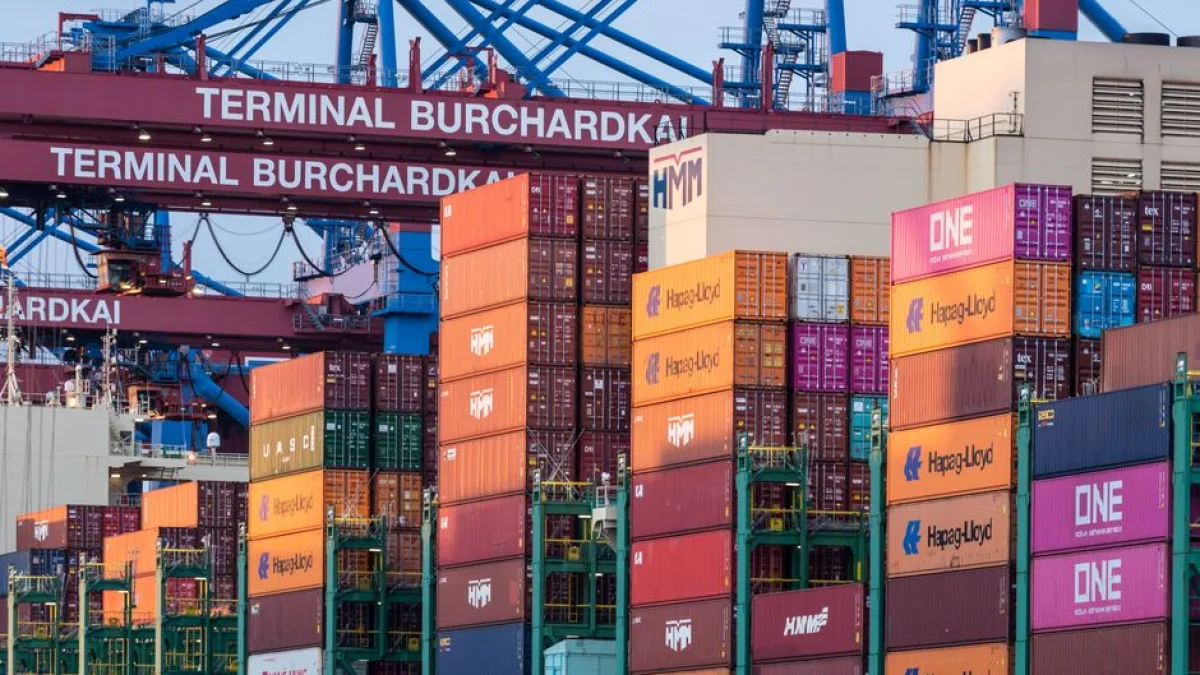
Port terminals remain the heart of ocean freight activity where precision and timing dictate the overall efficiency of the supply chain. Managing the flow of containers through these busy hubs requires constant visibility to avoid costly delays and demurrage fees.
- Automated Tracking Systems: Integrate real-time updates directly into your workflow to monitor container locations across multiple carriers without needing to manually check every individual vessel website for status changes.
- Optimized Slot Booking: Use digital tools to streamline the booking process for container slots which minimizes human error and speeds up terminal appointment scheduling for faster cargo throughput.
- Document Digitization Flow: Transform physical bills of lading into digital formats to allow for instant sharing with customs authorities and port operators while reducing reliance on paper trails.
- Capacity Planning Tools: Forecast your future space requirements by analyzing historical data patterns to ensure your shipments are secured well before seasonal surges create massive equipment shortages.
- Inventory Visibility Levels: Maintain a granular view of your stock levels at every terminal location to ensure you never miss a deadline due to unexpected logistical oversight.
Achieving excellence in container logistics requires a proactive approach toward managing the movement of goods from origin to destination. By focusing on digital integration and constant monitoring, forwarders can significantly reduce the risk of stalled shipments and operational inefficiencies. When every step is synchronized through automated software, port congestion becomes a manageable hurdle rather than an unpredictable threat to your company reputation.
Enhancing Carrier Communication

Clear communication between freight forwarders and ocean carriers is essential for resolving discrepancies during transit. Centralizing these interactions within a unified platform prevents critical information from being buried in lengthy email threads or lost in outdated spreadsheets.
- Centralized Messaging Hubs: Keep all carrier correspondences in one accessible location so that any team member can pick up ongoing negotiations or inquiries without needing extra context.
- Instant Status Alerts: Receive immediate notifications for vessel delays or schedule changes so that you can inform your clients before they start asking for progress reports.
- Standardized Data Exchange: Implement common protocols to ensure information shared with carriers is accurate and consistent which reduces the frequency of rejected documentation or shipping errors.
- Direct API Integration: Link your internal software directly to major carrier networks for seamless data flow that eliminates manual entry and boosts your total operational speed.
- Performance Analytics Dashboards: Measure carrier reliability by tracking key performance indicators such as transit time consistency and frequency of service disruptions to make better future choices.
Building strong relationships with shipping lines depends heavily on the transparency and accuracy of the information provided during the booking cycle. A professional approach to data management fosters trust and leads to more favorable terms during peak season negotiations. By maintaining a clean and orderly communication record, forwarders can solve disputes faster and ensure that every shipment proceeds according to the plan.
Streamlining Documentation Workflow

Processing shipping documents is often the most time-consuming task for ocean freight forwarders, yet it remains critical for successful international trade compliance. Modern platforms now offer automation features that turn complex paperwork into a fast and accurate electronic process.
- Smart Document Templates: Utilize pre-configured templates for common maritime documents to ensure that all necessary information is captured correctly the first time you generate new files.
- Automated Compliance Checks: Flag potential errors in shipping instructions or customs filings automatically to prevent expensive customs holds or regulatory fines that disrupt your delivery schedules.
- Electronic Signatures Integration: Facilitate the fast approval of documents by using integrated e-signature tools that allow stakeholders to verify files from anywhere in the world instantly.
- Secure Cloud Storage: Keep all historical shipping records in a highly secure cloud environment to simplify audits and ensure data availability for future client service inquiries.
- Automated Filing Systems: Route completed documents to the correct authorities and partners automatically based on predefined rules that trigger upon the finalization of the shipping process.
Efficient documentation management provides the backbone for seamless global trade. When documents move through a digital pipeline without manual intervention, the likelihood of human error drops significantly while the speed of cargo processing increases. Forwarders who prioritize this transition gain the ability to handle larger volumes of shipments with the same team, allowing for scalable business growth without compromising on professional accuracy.
Leveraging Advanced Data Analytics
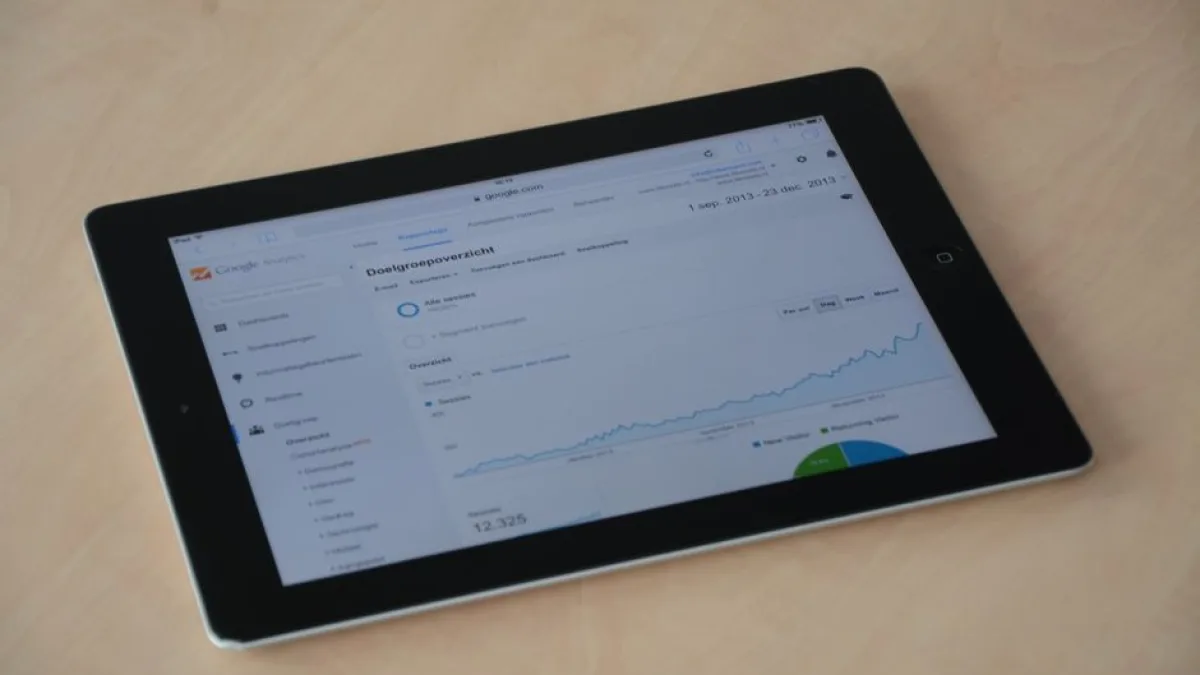
Data is the most valuable asset a freight forwarder possesses, yet it is frequently underutilized in daily ocean shipping operations. By analyzing performance trends, companies can make informed decisions that optimize costs and improve the quality of service provided to their customers.
- Historical Trend Analysis: Review years of shipping data to identify recurring cost spikes or seasonal capacity crunches so you can adjust your planning strategies for next year.
- Real-Time Cost Monitoring: Track ocean freight rates and ancillary charges in real-time to ensure your profit margins remain healthy even when market prices fluctuate quite dramatically.
- Customer Behavior Insights: Gain a deeper understanding of your clients shipping frequency and common destinations to tailor your service offerings and provide more personalized logistical solutions.
- Operational Efficiency Metrics: Identify exactly which parts of your workflow take the longest to complete and find ways to optimize those specific stages using software automation.
- Predictive Capacity Modeling: Use statistical models to forecast space availability across different trade lanes, helping you secure necessary vessel space long before competitors scramble for slots.
Transforming raw data into actionable insights is the final frontier for modern ocean freight forwarding. Companies that look beyond daily tasks to analyze their performance metrics are better equipped to navigate the volatile nature of the international shipping market. With advanced analytics integrated into your software platform, you can lead your business with confidence, backed by precise facts and proven operational strategies.
Conclusion
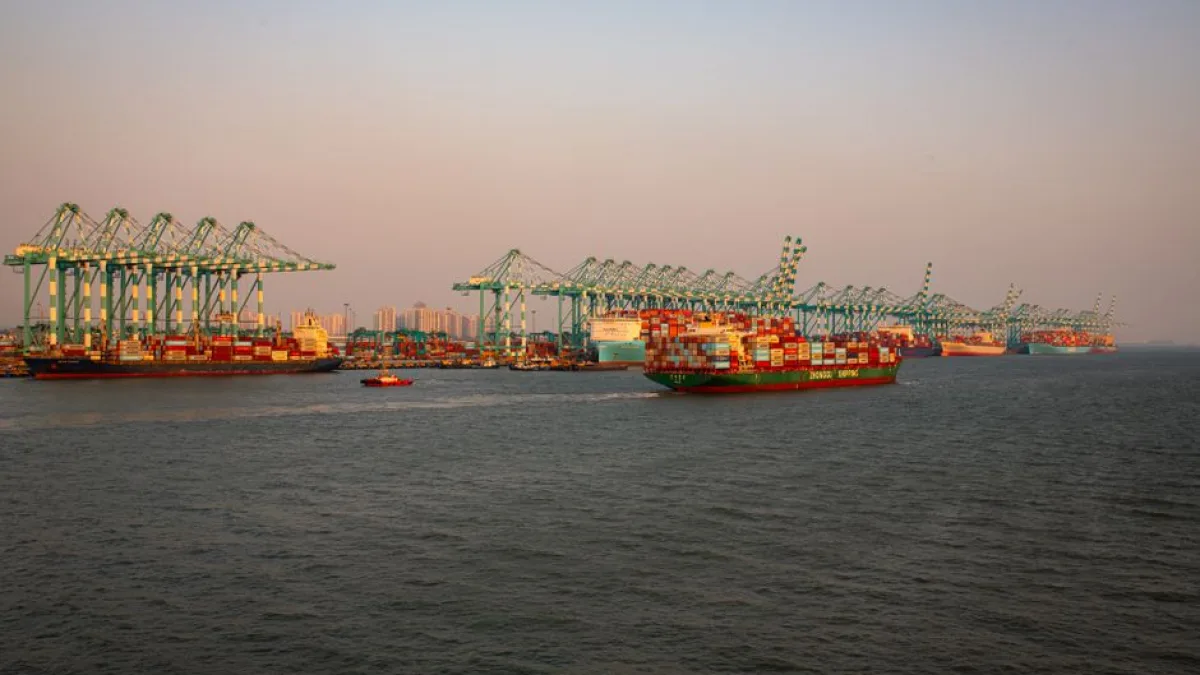
Navigating the complex landscape of ocean freight requires a commitment to digital transformation and continuous process improvement. By integrating smart software solutions into your daily operations, your team can achieve greater visibility and higher levels of efficiency. We invite you to explore how our platform empowers freight forwarders to excel in a competitive market and build a truly modern, resilient logistics business today.