Optimizing Ocean Freight Operations for Modern Logistics Providers
Thursday, October 8 2026

Ocean freight remains the backbone of global commerce, yet freight forwarders face unprecedented challenges in balancing capacity constraints, fluctuating fuel costs, and complex regulatory landscapes. As manual processes become increasingly unsustainable, forwarders must embrace digital transformation to maintain a competitive edge. By leveraging cloud-based platforms and data-driven insights, logistics professionals can enhance operational transparency and improve customer satisfaction. This article explores essential strategies for modernizing your ocean freight business, ensuring your firm stays agile amidst the complexities of international trade and supply chain volatility. Mastering these core elements will empower your team to achieve superior efficiency and reliable shipment tracking performance.
Digital Documentation Management

Digitizing your paperwork streamlines the complex flow of bills of lading and commercial invoices. By moving away from physical filing systems, teams reduce human error, speed up processing times, and ensure that all compliance documents remain accessible within a secure cloud environment.
- Automated Data Entry: Implement intelligent software tools that extract key information from shipping documents automatically to minimize manual typing and significantly reduce the risk of costly administrative errors during processing.
- Centralized Cloud Storage: Keep all essential shipping documents in a single accessible location that allows your global teams to collaborate effectively while ensuring complete visibility for every stakeholder involved.
- Compliance Tracking Systems: Utilize digital verification modules that automatically check your documentation against current international shipping regulations to prevent customs delays and avoid potential fines from global regulatory authorities.
- Secure Access Control: Maintain strict security over sensitive cargo information by using role-based permissions that ensure only authorized staff can modify or view critical shipment data and contracts.
Adopting these digital practices allows freight forwarders to minimize delays and improve accuracy throughout the documentation lifecycle. By removing traditional bottlenecks caused by paper handling, companies can focus on strategic growth and high-level client service. Digital documentation is not just a trend but a fundamental requirement for any professional logistics provider aiming to thrive in the fast-paced global ocean freight market today.
Real-Time Shipment Visibility
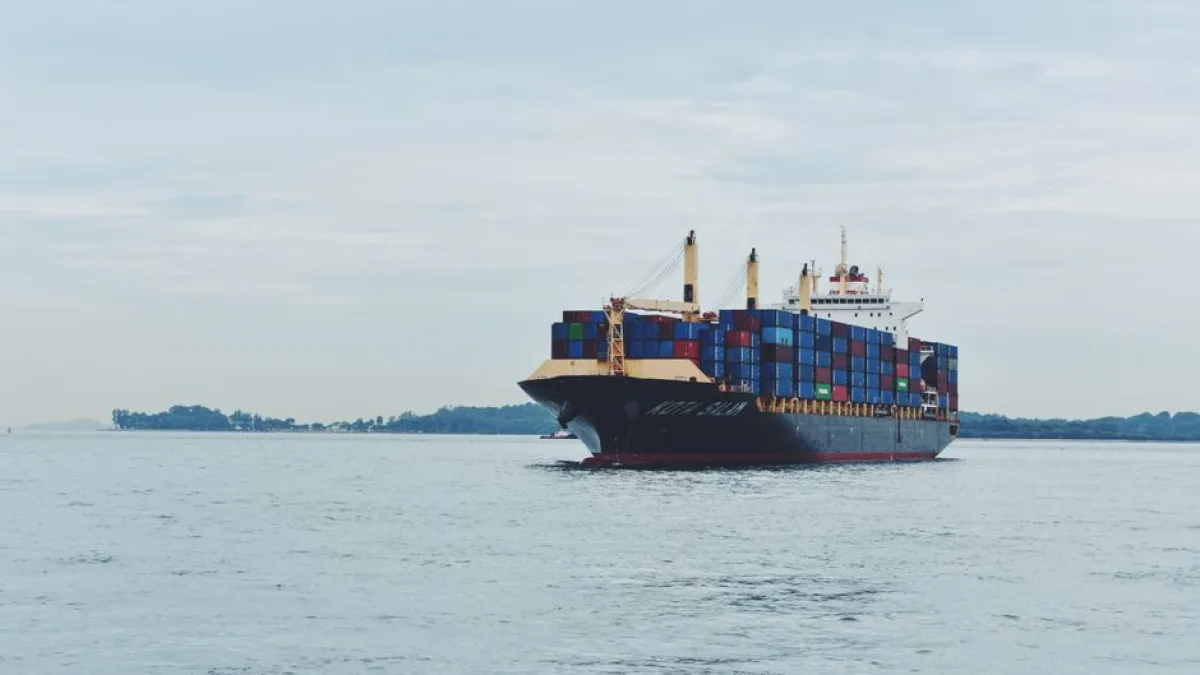
Achieving granular visibility throughout the entire ocean journey provides clients with accurate updates and proactive exception management. Modern cloud platforms provide live tracking data, helping forwarders manage expectations while building deeper trust with shippers through transparent communication regarding current vessel locations.
- GPS Tracking Integration: Connect your logistics platform directly to vessel tracking feeds to provide your clients with precise information regarding the real-time status of their cargo at sea.
- Automated Status Alerts: Configure your system to send triggered notifications to customers when their containers arrive at port or pass through major transshipment hubs during the journey.
- Exception Management Dashboards: Detect potential disruptions early by using visual dashboards that highlight delays and allow your operations team to implement contingency plans for affected client shipments.
- Client Portal Access: Empower your customers by providing them with a secure portal where they can monitor their own freight progress without needing to contact your team.
Providing clear and consistent visibility is a primary differentiator in the competitive freight forwarding sector. When customers know exactly where their goods are, the perceived value of your services increases dramatically. Leveraging real-time data ensures that your logistics operations remain responsive to market shifts, ultimately turning information transparency into a long-term competitive advantage that strengthens your client retention rates and overall revenue.
Carrier Relationship Optimization
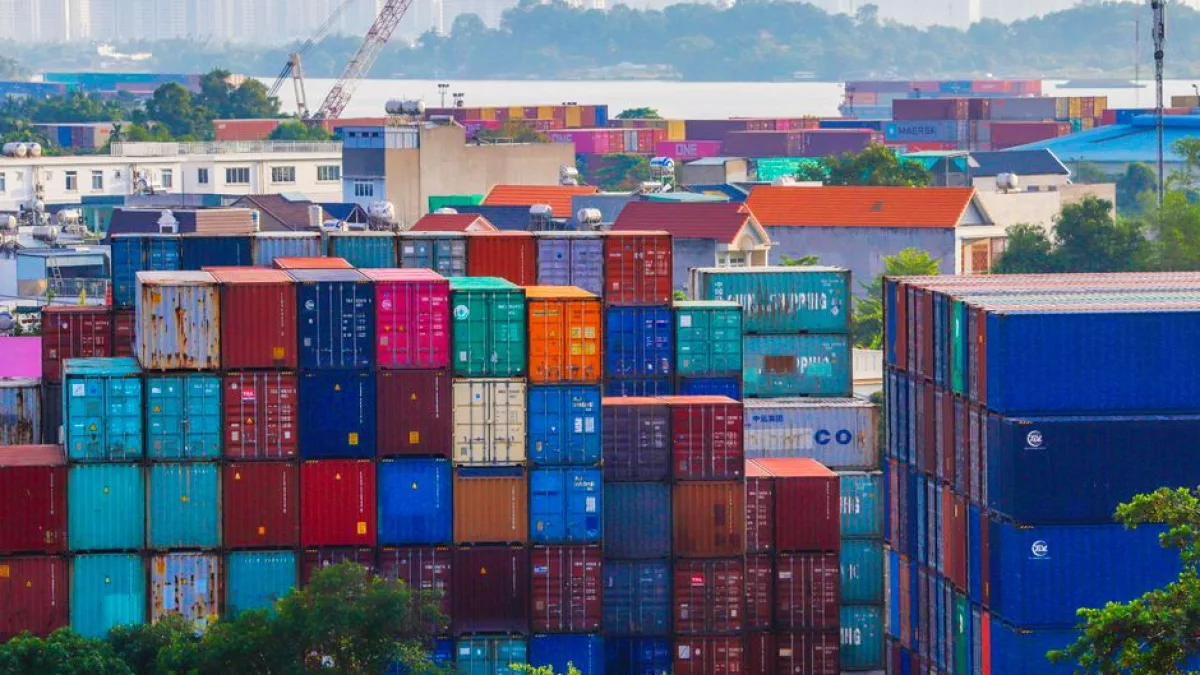
Managing multiple carrier relationships is vital for securing competitive space and pricing during peak seasons. Effective forwarders use data-driven insights to negotiate better service agreements and ensure consistent performance, fostering strong partnerships that benefit both the logistics company and the final cargo owner.
- Performance Analytics Reports: Review historical carrier data regularly to identify which lines offer the best transit times and lowest cargo damage rates for your specific trade routes.
- Volume Forecasting Tools: Utilize predictive analytics to share accurate volume estimates with your carriers, which helps in securing priority space allocations during periods of high demand.
- Rate Negotiation Support: Access consolidated market rate data within your software to ensure your team enters contract negotiations with the best possible information on current pricing.
- Communication Streamlining: Centralize all correspondence with shipping lines in your software platform to maintain a clear record of agreements, disputes, and ongoing operational discussions for transparency.
Building strong connections with carriers transforms your supply chain from a reactive process into a collaborative one. By focusing on mutual goals and using hard data to drive discussions, your agency can secure better terms and priority handling. These optimized relationships translate directly into more reliable service offerings for your customers, ensuring your forwarder stays resilient even when global shipping capacity is extremely tight.
Financial Efficiency Strategies

Managing the financial health of your ocean freight business requires strict control over billing cycles and vendor payments. Automating your financial workflows helps avoid cash flow gaps and ensures that every freight invoice is matched against actual costs to prevent profit leakage.
- Automated Freight Invoicing: Generate professional invoices instantly as shipments reach milestones to improve your cash collection speed and reduce the administrative burden on your accounting staff daily.
- Cost Reconciliation Modules: Automatically verify carrier invoices against your original quotes to catch overcharges early and ensure your profit margins remain protected across all bookings made.
- Currency Management Tools: Use integrated financial tools to handle multi-currency transactions efficiently, reducing the risks associated with volatile exchange rates during your international shipping service operations.
- Real-time Profitability Tracking: Monitor the margin of every single shipment through a unified dashboard that provides instant insights into the financial performance of your diverse logistics routes.
Precise financial management is essential for long-term sustainability in the logistics industry. By automating routine accounting tasks and maintaining perfect clarity on your margins, your team can make smarter business decisions. Investing in financial clarity allows you to scale your ocean freight operations confidently, knowing that your revenue streams are secure, accurate, and optimized for maximum growth in a challenging global market.
Conclusion

Optimizing ocean freight operations requires a commitment to digital tools and process refinement. By centralizing your documentation, improving shipment visibility, fostering carrier partnerships, and mastering financial control, your freight forwarding business can overcome common industry hurdles. Implement these strategies today to build a more resilient and profitable logistics firm. Stay ahead of market demands by choosing the right technology to scale your operations effectively.