Optimizing Operations with Cloud-Based Freight Forwarding Software
Tuesday, September 8 2026

The global logistics landscape is undergoing a massive transformation driven by digital adoption. As freight forwarders face increasing pressure to provide real-time visibility, automated workflows, and seamless communication, legacy systems often fall short. Cloud-based platforms offer a scalable alternative, allowing companies to consolidate fragmented data into a centralized source of truth. By leveraging modern technology, forwarders can eliminate manual errors, enhance partner collaboration, and significantly reduce administrative overhead. This shift is not just about keeping pace with the competition but about building a resilient foundation that supports growth and agility in an increasingly complex and interconnected international shipping market.
Centralized Data Management
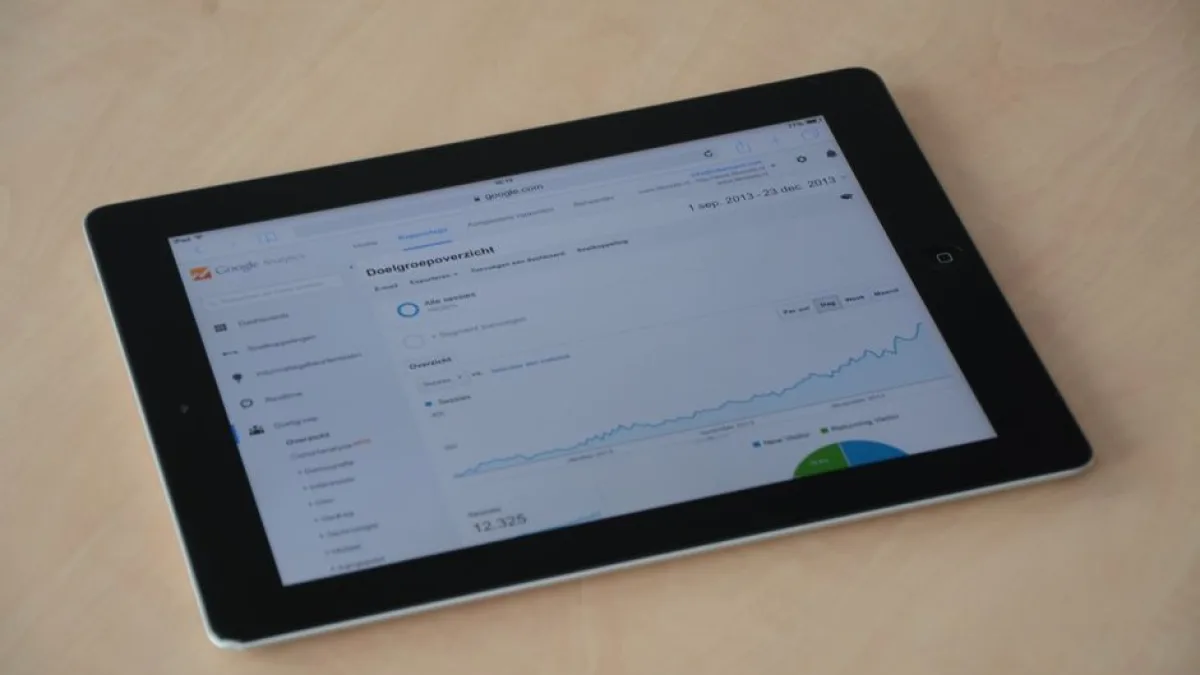
Modern freight software utilizes cloud architecture to aggregate shipping documents, customer interactions, and carrier details in one accessible portal. This centralized approach ensures that every team member works from the same data set, reducing confusion and accelerating decision-making processes across global offices.
- Enhanced Data Visibility: Real-time access to shipment status allows teams to monitor cargo movements closely, identifying potential bottlenecks early to prevent costly delays for customers and internal stakeholders alike.
- Automated Document Storage: Secure cloud storage ensures that essential customs forms, bills of lading, and commercial invoices are archived correctly and retrieved instantly whenever regulatory audits or client inquiries arise.
- Improved Team Collaboration: By breaking down departmental silos, employees can share updates and resolve operational issues faster, resulting in a more cohesive working environment that benefits your overall productivity.
- Scalable Infrastructure Growth: Cloud platforms provide the flexibility to add new users or expand service regions instantly, ensuring your software capabilities grow alongside your business without requiring massive hardware investments.
Consolidating your operational data within a single cloud-based system transforms how you handle daily tasks. It provides a clear view of your business health while empowering employees to focus on high-value client services rather than repetitive administrative chores. As your organization embraces this digital maturity, the inherent scalability of the cloud ensures that you remain ready for any future changes in the freight industry.
Automated Workflow Efficiency

Automation serves as the heartbeat of modern logistics software, replacing tedious manual data entry with intelligent, rule-based processes. By streamlining repetitive tasks, freight forwarders minimize human error and liberate their staff to focus on strategic planning and complex problem-solving activities.
- Reduced Data Entry: Automated input tools pull information directly from emails and documents, drastically cutting the time spent typing data and minimizing risks associated with manual keyboard errors during intake.
- Smart Workflow Triggers: Configurable alerts automatically notify clients about shipment milestones, keeping communication proactive and consistent without requiring constant manual oversight from your logistics coordination staff each day.
- Streamlined Billing Cycles: Integrated accounting modules automatically generate invoices based on shipment milestones, significantly speeding up the billing process and improving overall cash flow for your freight business operations.
- Error Mitigation Strategies: Built-in validation checks ensure that all shipping instructions adhere to carrier requirements, preventing rejected bookings and costly re-submissions that typically disrupt your busy export shipment schedules.
Integrating automation into your workflow reduces the operational friction that slows down successful logistics companies. By delegating routine tasks to your software, you create a more efficient environment that prioritizes speed and accuracy. This shift allows your team to move beyond the constraints of paperwork, enabling them to provide higher levels of service while handling a greater volume of shipments with ease.
Real-Time Tracking Integration

Visibility is no longer a luxury but a fundamental expectation from modern shippers. Integrating live tracking data into your freight platform provides the transparency required to build long-term trust, offering clients accurate insights into their cargo location and transit schedules.
- Live Status Updates: Direct API connections with carriers provide instantaneous updates on vessel location and flight status, ensuring that your tracking portal always displays the most current information available.
- Client Portal Transparency: Providing your customers with a secure login to view their cargo journey empowers them with data, reducing the number of status update emails sent daily.
- Exception Management Alerts: Instant notifications flag delays or route changes immediately, allowing your team to inform clients proactively and offer alternative solutions before major supply chain disruptions occur.
- Carrier Network Connectivity: Expanding your reach through digital integrations allows you to monitor diverse transportation modes seamlessly, from ocean freight vessels to domestic trucking fleets in one interface.
Providing real-time tracking capabilities enhances the overall value proposition of your freight forwarding services. It creates a transparent partnership with your clients, fostering loyalty through reliable data delivery. When you utilize high-quality integration tools, you eliminate the guesswork often associated with logistics, ensuring that your customers feel informed and confident throughout the entire shipping process, regardless of the cargo destination or transport complexity.
Scalable API Connectivity

The power of cloud software is maximized through external integrations. By connecting your freight platform to customs authorities, accounting software, and carrier portals via APIs, you create an interconnected ecosystem that functions as a single, powerful tool for your business.
- Seamless System Synchronization: Connecting your platform with existing CRM or ERP tools ensures that your company maintains consistent records and financial reporting across all organizational departments and branches.
- Custom API Integrations: Developing tailored connections with niche carrier partners or regional agencies allows you to handle unique shipping requirements while maintaining the benefits of your primary software.
- Regulatory Compliance Support: Automated links to customs databases ensure that your filings are always compliant with current international trade laws, reducing the risk of port delays or penalties.
- Flexible Feature Expansion: Modular software designs permit the quick addition of new features like insurance calculators or carbon reporting tools without needing to replace your core operational platform.
Connectivity defines the modern digital freight forwarding enterprise. By building a network of integrated tools, you reduce manual friction and enhance the quality of your output. This approach allows your business to adapt quickly to new market demands or regulatory changes. As you continue to expand your digital footprint, these connections will serve as the engine for your ongoing professional growth and success.
Conclusion

Implementing a cloud-based freight platform is a critical step for modern forwarders aiming to stay competitive. By focusing on data centralization, workflow automation, real-time tracking, and system integration, you create a high-performance environment that delivers exceptional value. Embracing this technological evolution ensures that your operations remain efficient and scalable, ultimately empowering your team to provide superior service while navigating the complexities of the global shipping market.