Optimizing Operations: Best Practices for Modern Freight Forwarders
Friday, September 11 2026

The global logistics landscape is evolving at an unprecedented pace, placing significant pressure on freight forwarders to enhance their operational efficiency and client transparency. As margins tighten and shipment complexities increase, relying on outdated manual processes or disconnected spreadsheets is no longer a sustainable strategy for growth. To remain competitive, professionals must embrace digital transformation by integrating cloud-based platforms that centralize communication, automate repetitive documentation tasks, and provide real-time visibility into cargo movements. This shift not only reduces human error but also empowers your team to focus on high-value client relationships and strategic logistics planning rather than mundane data entry.
Automating Your Documentation Process

Digitizing your paperwork helps eliminate delays and reduces the risk of costly clerical errors during customs clearance. By leveraging automated systems, you ensure that every document meets international standards while maintaining a clean, digital audit trail for every single shipment.
- Eliminate manual data: Transferring information from emails to spreadsheets is prone to errors that cause major delays. Automated software syncs your data instantly to prevent these common mistakes.
- Standardize your forms: Create templates that ensure consistent formatting across every shipping manifest. Consistent documents help customs agents process your cargo faster without unnecessary administrative hold-ups or requests.
- Centralize digital files: Store all shipping records in one cloud environment for easy retrieval. Having instant access to bills of lading and invoices simplifies your internal auditing procedures.
- Improve accuracy rates: Validation tools within software detect missing fields before submission. This proactive approach significantly reduces the likelihood of rejection at international borders for your clients.
Adopting automated documentation workflows transforms how your team manages heavy shipping loads daily. You will spend less time chasing down physical files and more time optimizing delivery routes for your customers. By removing the bottleneck of paper-heavy processes, your logistics operations become more scalable and resilient against market fluctuations, ultimately leading to higher customer retention rates and improved operational margins for your business.
Optimizing Client Communication Channels

Effective communication is the backbone of successful freight forwarding operations. When clients receive proactive updates, they feel more secure in their supply chain management, which fosters long-term loyalty and reduces the time spent handling inbound status inquiries from anxious shippers.
- Enable self-service portals: Provide clients with a login to track their shipments in real time. Access to live data reduces the volume of status emails your team handles.
- Automate status alerts: Configure your system to send notifications when cargo hits specific milestones. Automated messaging ensures your clients stay informed without constant manual intervention from you.
- Use unified messaging: Centralize all client correspondence within the shipment file itself. Keeping discussions in one place prevents information loss and streamlines the entire support process.
- Share digital documents: Allow clients to download their own invoices and proofs of delivery. Giving them direct access empowers the client while saving your staff time.
Transforming how you talk to customers will distinguish your brand in a crowded market. When communication becomes transparent and automated, trust naturally follows. You will notice a sharp decline in repetitive phone calls and email chains as your clients gain the visibility they crave. This level of professional service turns casual users into repeat customers who value your company for its reliability.
Leveraging Real-Time Cargo Visibility
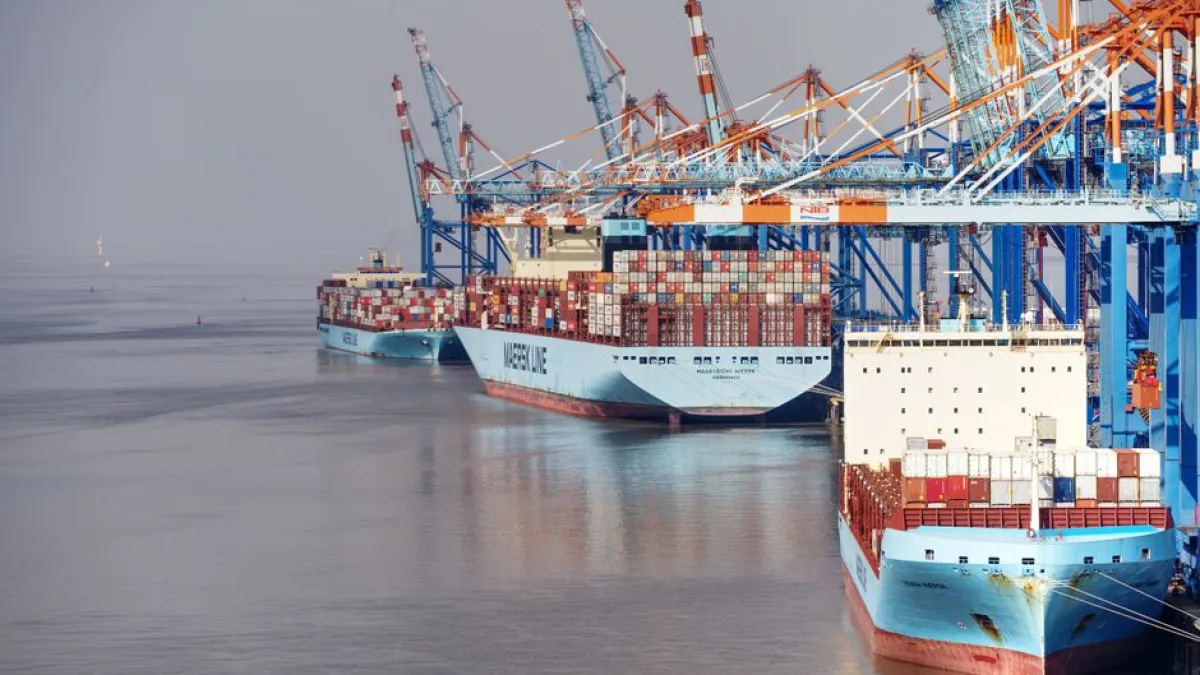
Real-time visibility allows you to foresee potential disruptions before they impact your client deliveries. By tracking assets across land, air, and sea, you can manage expectations effectively and provide alternative solutions when unexpected delays occur at major international transit hubs.
- Track live movements: Integrate GPS and carrier data to pinpoint exactly where cargo resides. Precise location data gives you the confidence to promise accurate arrival times.
- Manage supply chain risks: Use visibility tools to identify bottlenecks in the network early. Detecting a delay early allows you to reroute shipments and avoid major issues.
- Monitor transit health: Keep an eye on environmental conditions for sensitive goods during transport. Real-time sensor data provides peace of mind for shipping perishables or high-value items.
- Provide predictive analytics: Analyze historical shipment data to forecast potential transit delays. Sharing these insights builds trust and demonstrates your expertise in complex global logistics.
Real-time visibility is the key to managing global supply chain volatility effectively today. When you know exactly where your cargo is, you can pivot quickly to protect your margins and keep clients happy during challenging logistics events. Being the source of truth for your customers proves your worth as a vital partner in their success rather than just another service provider.
Building Scalable Operational Systems
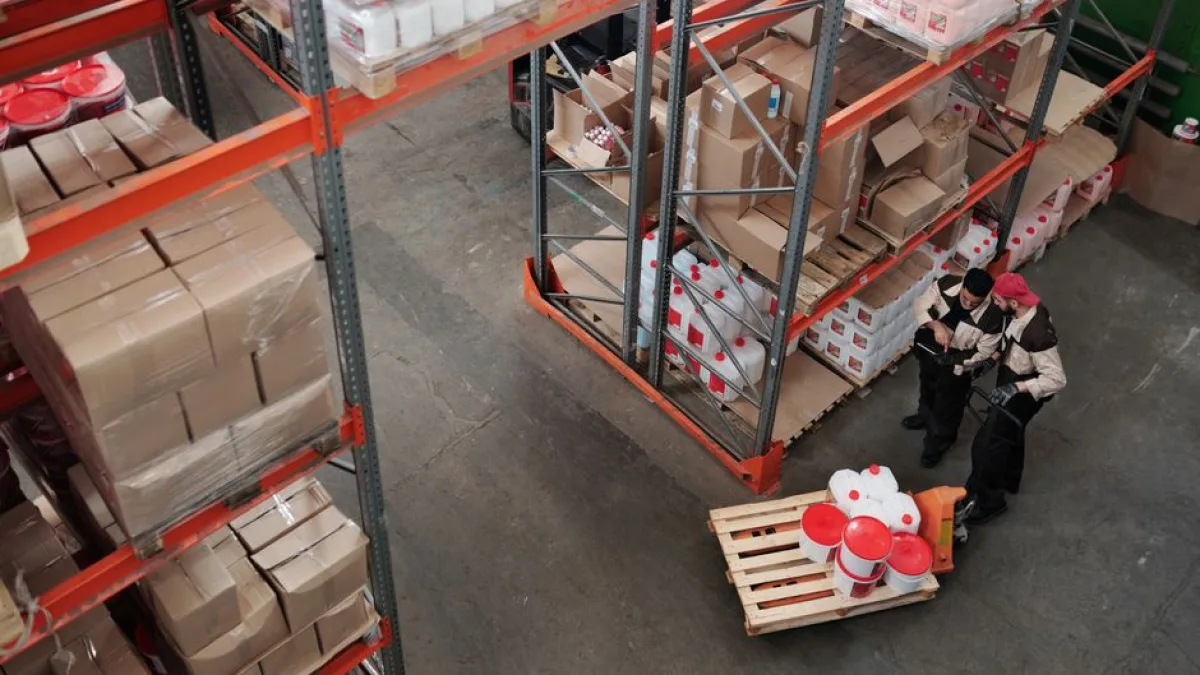
Scaling your business requires robust software that grows with your evolving shipment volumes. Investing in modular cloud platforms allows your team to add functionality as your needs change, ensuring your infrastructure supports your expansion goals without requiring constant, costly system overhauls.
- Implement cloud software: Cloud-based tools offer flexibility for remote teams to collaborate from anywhere. This agility is essential for managing global operations across different time zones efficiently.
- Integrate your systems: Connect your accounting software with logistics tools for seamless billing. Linking these platforms eliminates manual data entry and ensures financial data stays current.
- Standardize your workflows: Define clear steps for every shipment type to ensure consistency. Standard processes allow you to onboard new staff members with minimal training time.
- Analyze performance metrics: Review dashboard reports to identify your most profitable routes. Data-driven decisions help you trim inefficiencies and focus resources on the most rewarding markets.
Building a scalable foundation is the most important step for long-term growth in this industry. When your systems handle the heavy lifting, your team can focus on finding new clients and exploring new trade lanes. A well-oiled machine allows you to increase shipment volumes without necessarily increasing your headcount, maximizing profit and ensuring your business stays agile in a fast-moving logistics market.
Conclusion

Mastering modern freight forwarding requires a blend of advanced technology and refined internal processes. By automating your documentation, opening transparent communication lines, utilizing real-time tracking, and building scalable systems, you set the stage for sustained growth. Start implementing these best practices today to streamline your logistics operations and provide the high-quality, reliable service that your clients expect in today's demanding global market.