Optimizing Operations through Advanced Freight Forwarding Technology Integrations
Thursday, October 8 2026
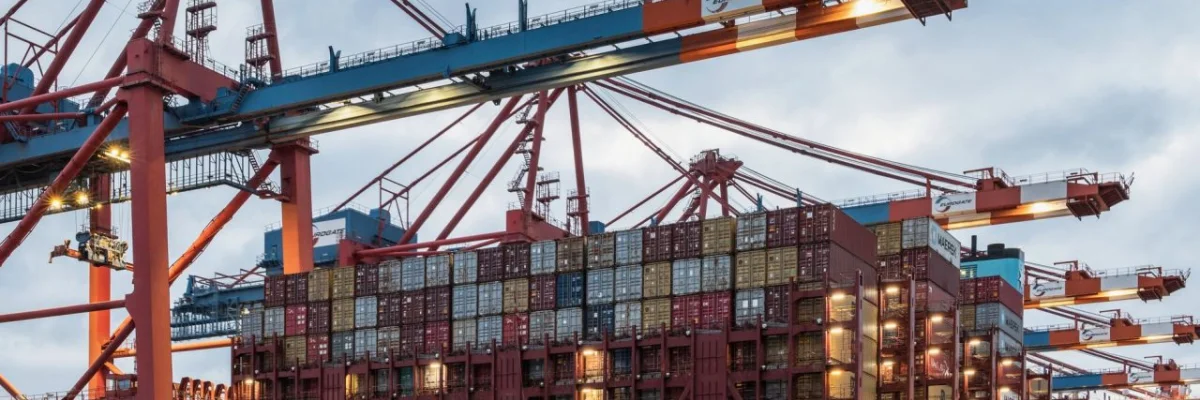
The global logistics landscape is undergoing a massive transformation driven by the rapid adoption of digital tools designed to enhance efficiency and transparency. For modern freight forwarders, relying on manual processes or disconnected legacy systems is no longer a viable path to sustainable growth. By prioritizing seamless technology integrations, businesses can automate routine tasks, minimize human error, and provide clients with real time visibility into their supply chains. As MakeCargo continues to support this shift, we recognize that the future of logistics belongs to those who successfully bridge the gap between complex operational demands and powerful cloud based solutions.
Automated Data Exchange Protocols
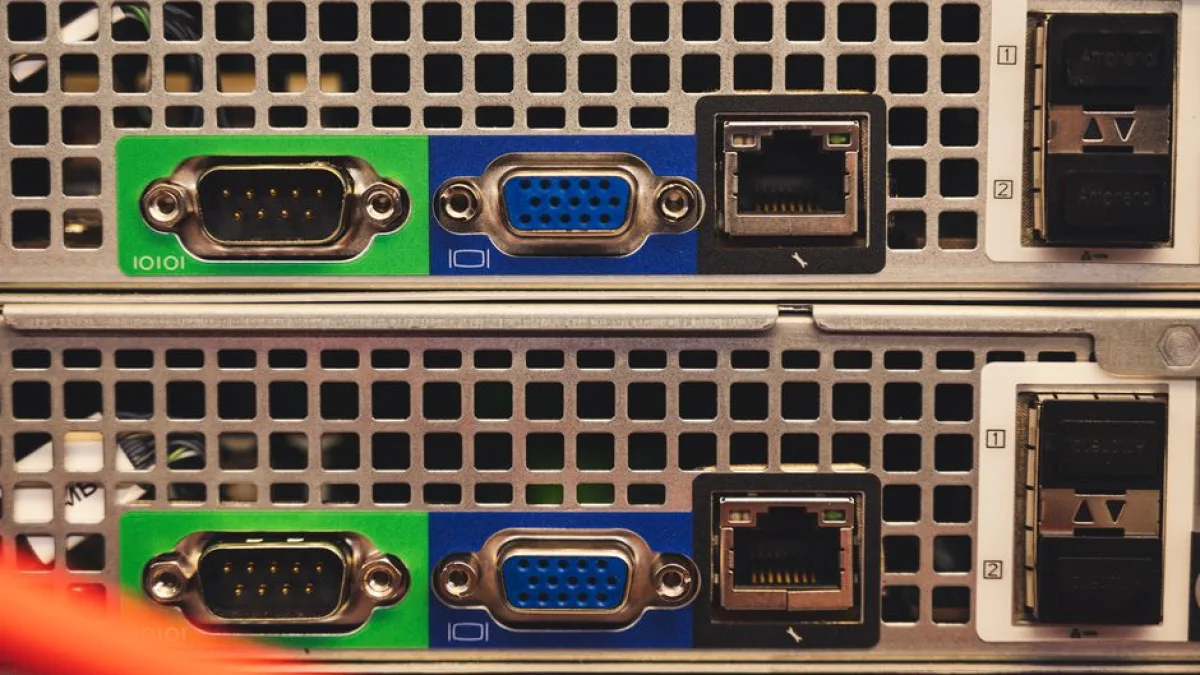
Modern digital ecosystems rely on robust connectivity to move information across global networks without friction. Integrating disparate platforms allows for a continuous stream of data that powers faster decision making and improves overall accuracy for every shipment moving through your system.
- Automated Data Sync: Synchronizing information across multiple platforms removes the need for manual entry while ensuring that every team member accesses the most current shipping details available today.
- API Driven Updates: Leveraging application programming interfaces facilitates instant communication between your freight software and external carrier portals for seamless tracking and document management tasks.
- Reduced Manual Work: Automating redundant tasks allows your staff to focus on high value activities like strategic planning and customer support instead of repetitive data migration.
- Error Reduction Strategies: Implementing automated checks during data transfers significantly decreases the probability of human errors that typically cause shipment delays and expensive billing reconciliation issues.
- Enhanced System Reliability: Maintaining a stable connection between integrated tools ensures that your operational data remains consistent even when moving between different cloud based service providers.
By shifting away from manual data entry, your logistics firm gains a substantial advantage in both speed and operational precision. These digital workflows minimize the time spent on administrative overhead while simultaneously boosting the quality of information provided to your clients. Embracing this level of connectivity is not just about keeping pace with competitors but about setting a new standard for service excellence within the industry.
Real Time Shipment Visibility Tools
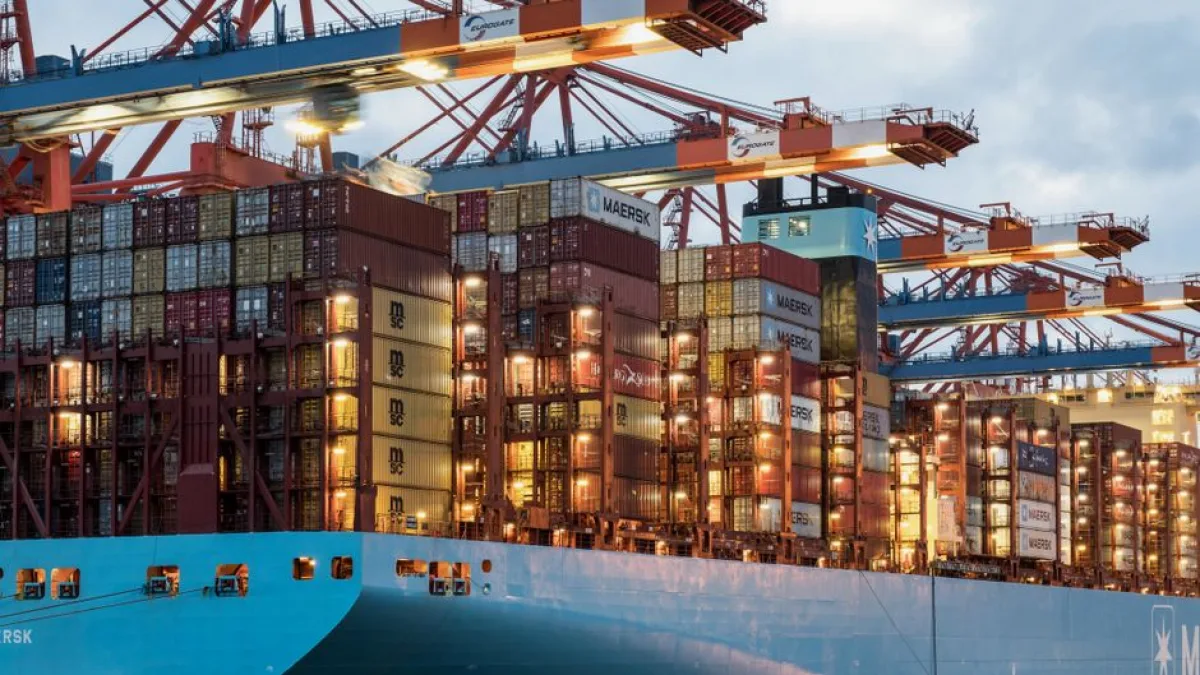
Visibility is the backbone of modern logistics and keeps stakeholders informed throughout the entire transit process. Advanced tracking integrations provide granular insights into cargo status, empowering teams to solve problems before they escalate into significant delays for your global customers.
- Dynamic Tracking Insights: Receiving live updates from carriers directly into your platform provides a comprehensive view of cargo movement from departure to the final point of delivery.
- Predictive Arrival Forecasting: Using advanced analytical tools allows your team to predict estimated delivery times with higher precision while proactively addressing potential disruptions in the transit chain.
- Client Portal Integration: Providing your customers with direct access to a branded portal fosters trust and transparency throughout the shipment lifecycle via live status updates.
- Proactive Issue Resolution: Identifying potential bottlenecks through automated alerts enables your operations team to take corrective action quickly and minimize the impact on your supply chain.
- Comprehensive Reporting Metrics: Generating detailed reports on carrier performance helps you make data driven decisions when selecting partners for future shipments and complex logistics projects.
Visibility tools transform the customer experience by replacing uncertainty with reliable information. When your clients can monitor their shipments without constant phone calls or emails, your team is freed to manage complex logistical challenges effectively. Integrating these tracking capabilities into your core software platform creates a transparent environment that builds lasting loyalty and establishes your company as a reliable leader in the marketplace.
Seamless Financial System Integration

Managing global freight finances requires precision and speed to maintain healthy cash flow and accurate accounting records. Integrating your freight software with accounting systems ensures that every invoice, payment, and financial adjustment is recorded accurately and instantly across your entire digital business infrastructure.
- Instant Invoice Generation: Automatically creating invoices based on shipment data ensures that billing happens the moment services are completed without any delay in your revenue cycle.
- Unified Ledger Entries: Connecting your freight software directly to your accounting platform prevents double entry errors and guarantees that financial reports are always perfectly aligned today.
- Automated Currency Conversion: Handling international payments becomes effortless when integrated tools manage complex exchange rates and currency fluctuations in real time for your global shipment billing.
- Efficient Payment Reconciliation: Matching incoming payments against outstanding invoices happens automatically within your integrated system to provide a clear view of your company financial status.
- Streamlined Audit Trails: Maintaining a complete digital record of every financial transaction ensures full compliance and makes the auditing process significantly faster for your accounting team.
Financial integrations are critical for any forwarder looking to scale operations efficiently. By automating the link between logistical execution and accounting records, you remove the barriers that slow down your cash flow. This seamless approach to financial management not only improves your bottom line but also grants you the time and confidence to focus on broader business strategies rather than basic accounting maintenance.
Unified Communication and Workflow Management

Effective communication bridges the gap between internal operations and external stakeholders like agents, carriers, and shippers. Integrating your communication channels with your freight software creates a central hub where all relevant information resides, making it easier for your team to stay aligned and respond quickly.
- Centralized Communication Logs: Storing all emails, chat messages, and documents within a single shipment record ensures that everyone on your team stays updated on progress.
- Automated Status Notifications: Triggering alerts for specific events ensures that clients and partners receive timely updates without requiring constant manual intervention from your operational staff.
- Collaborative Document Sharing: Providing secure access to essential shipping documents allows stakeholders to upload or download files instantly while maintaining full control over user permissions.
- Integrated Task Assignments: Assigning specific operational tasks directly within your software platform ensures that responsibilities are clear and nothing is missed during the busy shipping season.
- Streamlined Agent Cooperation: Facilitating direct connections with overseas agents improves coordination on international shipments and ensures that information flows smoothly across every global border point.
A unified communication platform ensures that your team operates as a single, cohesive unit regardless of geographical distances. By consolidating every conversation and task within the core software, you create an environment that encourages accountability and reduces misunderstandings. This level of organization elevates your professional service standards and allows you to handle higher shipment volumes with ease, ultimately driving your company forward globally.
Conclusion

Adopting advanced technology integrations is the most effective way to optimize your freight forwarding business. By connecting your data, visibility tools, financial systems, and communication channels, you create a robust ecosystem that supports growth and innovation. Start your digital transformation journey today by evaluating your current software capabilities and identifying opportunities to integrate. A more connected future awaits those who choose to innovate and scale.