Optimizing Operations: The Strategic Role of Freight Software Integrations
Wednesday, September 30 2026

Modern freight forwarding is no longer defined by manual entries and endless email chains. To maintain a competitive edge, professionals must embrace a digital ecosystem where data flows seamlessly between systems. Integrating your freight forwarding software with external platforms like customs brokers, carrier portals, and accounting tools creates a unified source of truth. This connectivity reduces errors, accelerates decision-making, and allows teams to focus on high-value client relationships rather than administrative burdens. By centralizing information, logistics firms can transform their operational capacity, ensuring that every shipment is managed with precision, transparency, and the agility required to succeed in today's global supply chain environment.
Unified Communication Protocols

Seamless communication between disparate systems is the backbone of efficient freight management. When software platforms share information automatically, the friction of manual data entry disappears, allowing for real-time updates that keep all stakeholders aligned on shipment milestones and documentation requirements.
- Automated status updates: Real-time tracking information flows directly from carriers to your dashboard, eliminating the need for manual status checks and ensuring your clients receive accurate shipment visibility throughout transit.
- Standardized data exchange: Implementing universal data protocols allows your system to speak the same language as external partners, significantly reducing translation errors and communication gaps between various global freight parties.
- Instant notification triggers: Automated alerts notify relevant team members the moment a milestone is reached, enabling proactive problem solving before a minor delay impacts the entire downstream supply chain flow.
- Collaborative partner portals: Providing partners with restricted access to specific data sets minimizes back-and-forth emails while maintaining high security standards for sensitive shipment information and proprietary commercial documents.
By leveraging these integrated communication tools, forwarding businesses can drastically decrease the time spent on routine status inquiries. This shift allows staff members to prioritize complex logistics challenges over repetitive clerical tasks. Ultimately, creating a centralized communication hub enhances overall service reliability and builds stronger trust with customers who depend on your ability to deliver accurate and timely shipment progress reports daily.
Customs Compliance Automation
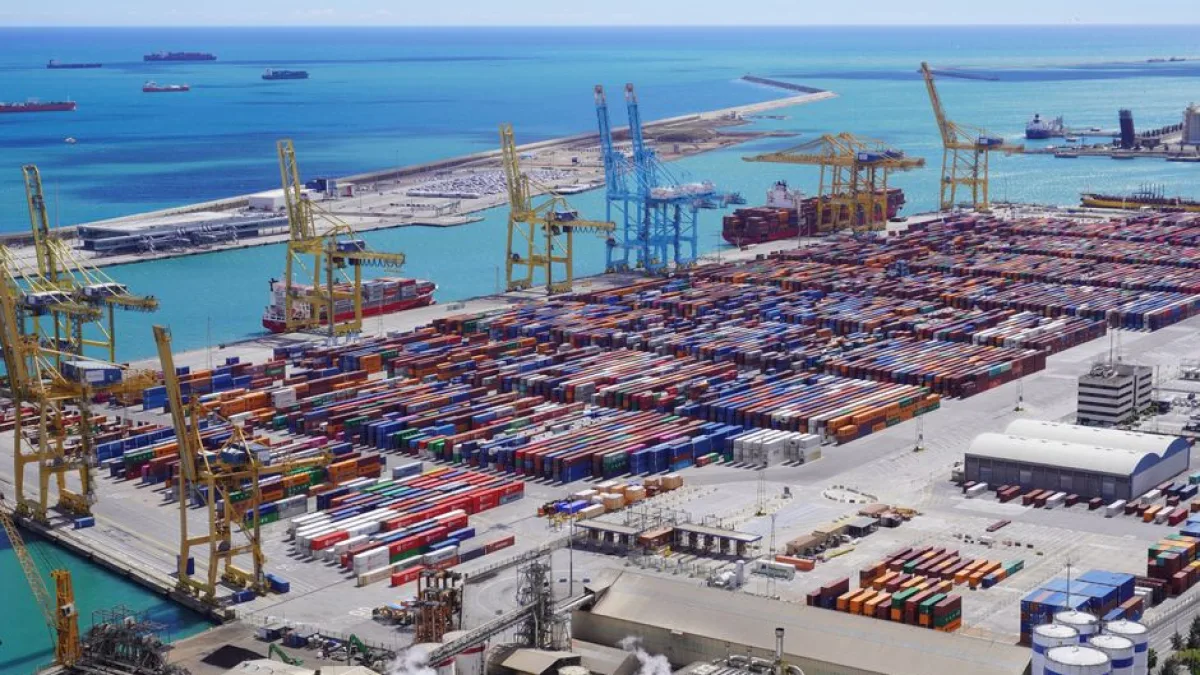
Managing global trade compliance requires precision and access to up-to-the-minute regulatory data. Automated integrations with customs authorities ensure that documentation is filed accurately and promptly, minimizing the risk of costly penalties or delays at sensitive border and port crossings.
- Real-time tariff updates: Integrated tools pull the latest tariff schedules and trade regulations directly into your workflow, ensuring that every shipment quote and customs filing remains compliant and accurate.
- Electronic document filing: Direct submission of digital paperwork to customs portals accelerates the clearance process and eliminates the traditional reliance on slow, error-prone paper-based filing and courier services.
- Validation rule checks: Automated systems run checks against specific country requirements before submission, catching potential errors or missing data fields that could trigger inspections or shipment holds at customs.
- Audit ready reporting: Secure digital storage of all customs documentation provides a comprehensive audit trail, making it simple to retrieve necessary records for government compliance reviews and internal verification.
Transitioning to automated compliance processes safeguards your firm against the ever-changing landscape of international trade laws. By removing human error from the filing phase, you can ensure that goods move through checkpoints with minimal friction. This level of operational maturity not only protects your bottom line from unexpected fines but also positions your company as a reliable partner in navigating complex borders.
Financial Data Synchronization

Integrating your freight software with accounting platforms ensures that financial records match operational reality. This harmony prevents revenue leakage and provides management with a clear view of profitability, cash flow, and operational costs across every individual shipment processed.
- Seamless invoice generation: Automated syncing ensures that shipment data flows directly into your billing module, triggering accurate and timely invoices that speed up payment cycles and improve cash flow.
- Expense tracking accuracy: Real-time logging of vendor costs and carrier charges against each shipment file provides a precise look at your true margins for every single transaction managed.
- Currency fluctuation management: Integrated financial tools account for real-time exchange rates, preventing potential losses during international settlements and ensuring that your pricing structures remain stable and highly competitive.
- Consolidated financial reporting: Combining data from operations and accounting provides leadership with actionable insights into departmental performance, allowing for smarter investment decisions and more strategic business growth planning.
Accurate financial synchronization is critical for scaling a modern freight business. When operational teams understand the cost impact of their routing decisions, they make better choices that benefit the bottom line. By linking your freight platform directly to accounting software, you remove the guesswork and administrative overhead, allowing your financial team to focus on strategic planning and long-term fiscal health improvements.
Vendor and Carrier Connectivity
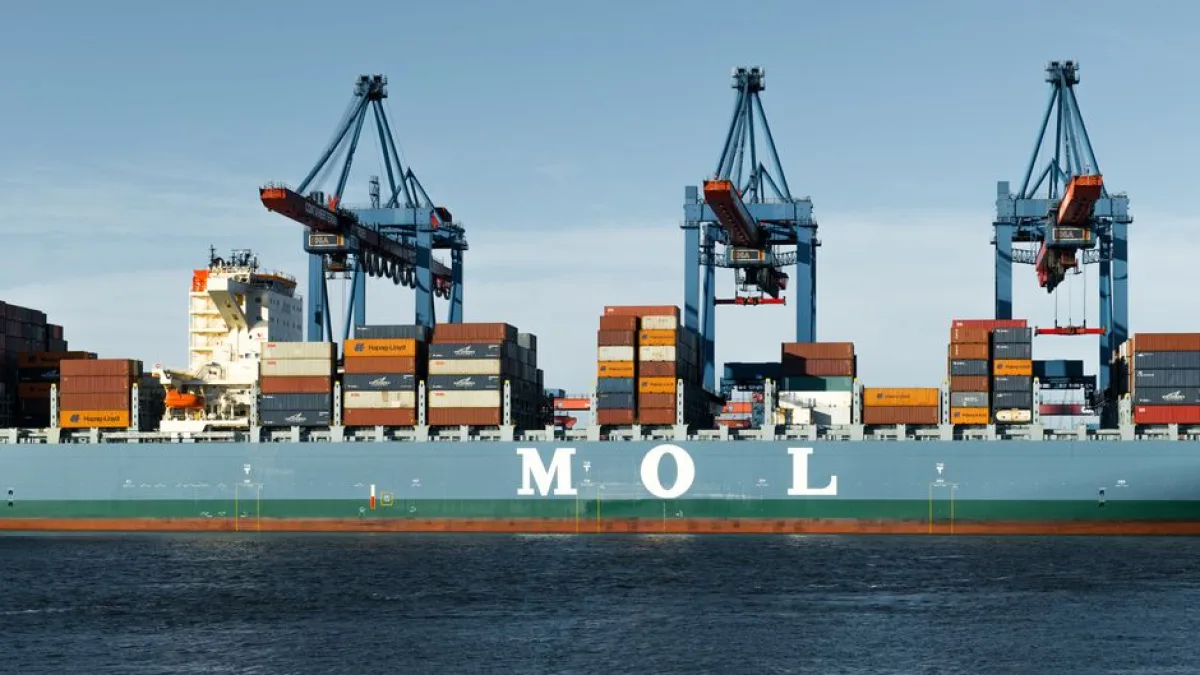
Effective collaboration with carriers is essential for meeting tight delivery deadlines. API-driven integrations provide a direct link to carrier systems, enabling instant booking requests, capacity verification, and performance analysis that helps you select the best partners for every job.
- Direct booking APIs: Connecting your platform to carrier systems allows for instant booking confirmation, removing the wait time and uncertainty associated with traditional email or phone-based scheduling requests.
- Real-time capacity visibility: Accessing live schedule and capacity data allows your team to choose the most efficient routes, ensuring that you always meet customer demands with optimal speed.
- Performance analytics dashboard: Aggregated data on carrier reliability helps you identify the best-performing partners, allowing you to build stronger relationships with vendors who consistently deliver excellence to clients.
- Digital document exchange: Sharing bills of lading and packing lists instantly through system-to-system connections ensures that carriers have the correct data needed for seamless shipment handling and delivery.
Building strong digital bridges with carriers transforms your operational efficiency and service quality. By having direct visibility into vendor performance and capacity, your firm can make data-driven decisions that save time and money. This enhanced connectivity ensures that your logistics operations remain agile and responsive, providing your clients with the premium service they expect in an increasingly fast-paced and interconnected global marketplace.
Conclusion
Integrating technology within your freight forwarding business is a fundamental requirement for long-term growth and operational excellence. By focusing on automated communication, regulatory compliance, financial accuracy, and carrier connectivity, you create a robust ecosystem that drives value for your clients. Embrace these digital tools today to streamline your workflows, reduce unnecessary errors, and position your company as a leader in the global logistics industry.