Optimizing Operations through Advanced Freight Forwarding Integrations
Thursday, July 30 2026

The global logistics landscape is undergoing a massive digital transformation that demands agility and precision from every freight forwarding professional. As supply chains grow more complex, manual processes and disconnected systems become significant liabilities that hinder growth and customer satisfaction. Modern freight forwarding software, such as MakeCargo, bridges these operational gaps by providing robust integrations that unite disparate data sources into a single source of truth. By embracing these technological advancements, companies can reduce human error, accelerate documentation cycles, and provide clients with the real-time visibility they expect, ultimately turning technical integration into a core competitive advantage for the modern business.
Centralizing Data Streams

Unified data streams act as the backbone for any successful freight operation, ensuring that information flows seamlessly between stakeholders without requiring manual input. By connecting your platform, you eliminate silos that often lead to costly delays and communication breakdowns during transit.
- Seamless API connectivity: Modern platforms utilize robust APIs to link your transportation management system with external carriers and customs portals to ensure that all data remains current and highly accurate.
- Automated data synchronization: Real-time synchronization eliminates the need for double entry of information, which significantly reduces the risk of human errors during critical cargo booking and tracking update procedures.
- Unified reporting tools: Centralized data repositories allow management teams to generate comprehensive analytical reports that provide deep insights into operational performance metrics and long term freight trend developments.
- Improved system compatibility: Advanced integration layers ensure that legacy software can coexist with modern cloud solutions, allowing your company to modernize operations without performing expensive and disruptive infrastructure replacements.
Achieving total data centralization transforms how your team interacts with day to day logistics tasks. By eliminating redundant entries, your staff can focus on high level strategy and relationship management rather than repetitive administrative chores. This shift in operational focus not only boosts productivity but also creates a more scalable environment where your business can handle increased volumes without proportional increases in personnel.
Automating Compliance Processes

Customs compliance is a critical phase of the shipping journey that requires absolute precision to avoid fines and detention. Integrated software automates the generation and filing of required declarations by pulling data directly from your shipment files into local authority portals.
- Automated form generation: Smart software extracts information from existing booking files to populate complex shipping documents, which drastically cuts down on the time spent creating paperwork for international trade.
- Instant regulation updates: Integrated systems provide automated notifications regarding shifting global trade policies, ensuring that your forwarding business remains fully compliant with current international standards at every destination port.
- Validation check engines: Intelligent automated rules flag potential errors or missing information in documentation before filing, preventing costly administrative delays that occur during the final stages of import clearance.
- Digital audit trails: Cloud-based systems maintain a comprehensive and permanent record of every document version, making it easy for firms to provide clear documentation during any customs audit.
When you automate compliance, you effectively neutralize one of the largest risks associated with international freight shipping. Reliable software acts as a secondary layer of verification, catching potential errors before they reach customs officials. This proactive approach ensures that your shipments move through borders smoothly, maintaining positive relationships with your clients while significantly reducing the administrative burden on your internal customs teams.
Boosting Partner Collaboration
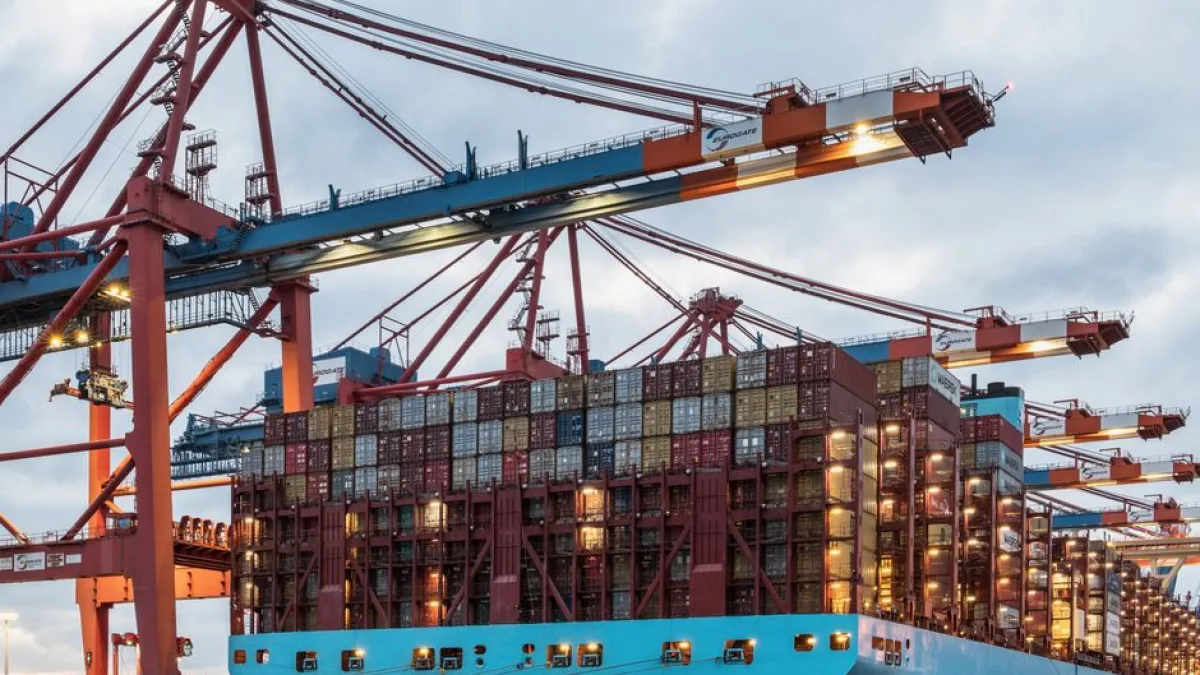
Collaboration is the lifeblood of successful freight forwarding, as your success depends on effective communication with agents, carriers, and shippers. Integration platforms provide secure portals that allow all parties to access necessary shipment data in real time without endless email threads.
- Secure partner portals: Dedicated access points allow your international partners to view shipment status and upload documents directly into the software, ensuring that all information stays organized and accessible.
- Real time notifications: Automated alerts provide instant updates to all involved stakeholders whenever a milestone is reached, preventing the need for manual check in calls or redundant messages.
- Enhanced document sharing: Cloud-based file management allows multiple parties to view and edit collaborative documents simultaneously, which facilitates faster approval cycles and quicker decision making across global shipping routes.
- Standardized communication logs: Keeping all discussions tied directly to a specific shipment ID creates a reliable historical record that prevents confusion and ensures accountability among all project participants.
Enhanced collaboration tools foster stronger relationships with your logistics partners by creating a transparent environment for everyone involved. When information is shared instantly through a secure platform, it reduces the friction typically caused by time zone differences and language barriers. This seamless flow of data empowers your entire network to work as a single unit, leading to faster transit times and satisfied customers.
Scaling Digital Infrastructure

Scalability remains a primary concern for forwarders who aim to grow their market share in a volatile economic environment. Cloud-based integrations offer the flexibility to add new modules or scale capacity instantly as your business volume expands, without needing hardware.
- Modular software expansion: Businesses can add specific functional modules like accounting or warehouse management as they grow, ensuring that the software capabilities always match current business needs and complexity.
- Increased processing capacity: Cloud infrastructure allows for dynamic scaling of computing resources, meaning your system will remain fast and responsive even when handling surges in global shipment volumes.
- Seamless software updates: Cloud solutions deploy automatic updates to all users simultaneously, ensuring that your entire team always operates on the most current and secure version of the software.
- Lower maintenance overheads: Shifting to integrated cloud systems removes the need for expensive internal IT teams to manage servers, allowing you to reallocate budget toward core freight growth activities.
Scaling your digital infrastructure is no longer a luxury but a necessity for surviving in the modern freight industry. By leveraging cloud-based platforms, you gain the agility required to react to market changes and expand into new trade lanes without logistical friction. This flexible foundation ensures that your technology remains an asset that supports your long term growth rather than a constraint.
Conclusion

Integrating technology into your freight forwarding operations is the key to maintaining a competitive edge in today's fast-paced digital logistics market. By centralizing data, automating compliance, fostering partner collaboration, and ensuring scalability, your company can operate with unprecedented efficiency. Adopt MakeCargo today to streamline your workflows, reduce operational risks, and provide superior service levels that keep your global shipping clients returning for your professional freight expertise.