Optimizing Operations through Advanced Freight Forwarding Technology Integrations
Tuesday, August 4 2026
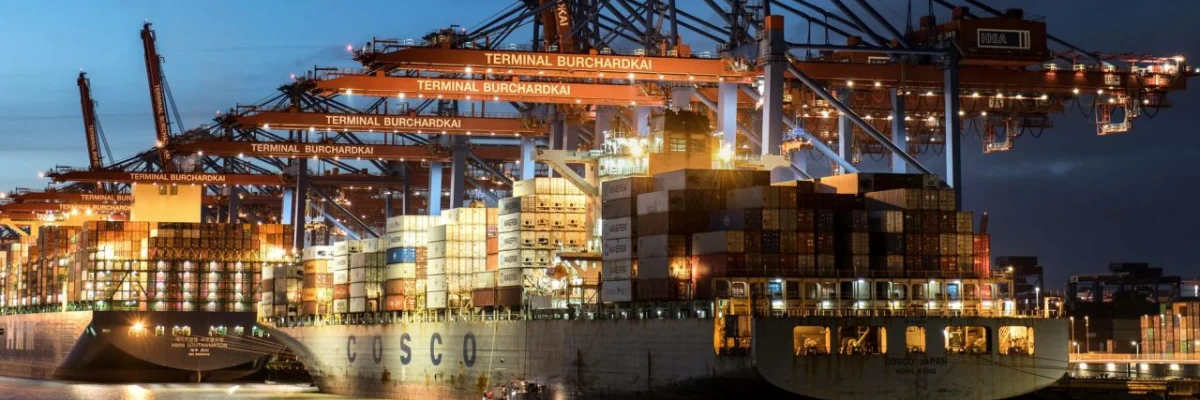
Modern freight forwarding is undergoing a rapid digital transformation where manual processes are being replaced by automated ecosystems. As global supply chains grow increasingly complex, the ability to leverage cloud-based platforms becomes a vital differentiator for logistics providers. By integrating advanced software solutions, freight forwarders can achieve unprecedented visibility, improved data accuracy, and streamlined communication across international borders. Embracing these technological advancements allows businesses to reduce overhead costs while providing superior service to their clients. This evolution is not merely about keeping pace with competitors, but about building a resilient, scalable foundation for long-term success in an unpredictable global trade market.
Seamless Data Connectivity
Centralizing data through robust system integrations ensures that every stakeholder remains synchronized in real time. Eliminating fragmented silos allows for faster decision making and prevents costly errors during the documentation phase of international shipping operations, ultimately improving overall client trust levels.
- Automated Data Synchronization: Real time updates between your internal freight management software and external carrier portals ensure that shipment statuses remain accurate and visible for all relevant parties involved.
- Reduced Manual Entry: Eliminating repetitive keyboard tasks significantly decreases the likelihood of human error while freeing up your operations team to focus on high-value client relationship tasks.
- Standardized Document Handling: Utilizing cloud-based systems allows for the uniform processing of bills of lading and invoices across global offices to maintain compliance with international shipping standards.
- Centralized Information Hub: Bringing all essential documentation into one single digital environment simplifies auditing processes and makes historical records easily accessible for future trend analysis and reporting.
Achieving true data connectivity is the cornerstone of modern logistics efficiency. When systems communicate effectively, forwarders can respond to disruptions before they impact the final delivery schedule. This proactive approach transforms the logistics process from a reactive chore into a strategic advantage, allowing your team to handle higher volumes with greater precision while minimizing the administrative burden that typically hinders rapid business growth.
Real Time Shipment Tracking
Visibility remains the primary demand from shippers who need constant updates on their high-value cargo. Advanced tracking integrations provide granular details regarding shipment status, container location, and potential delays, ensuring that transparency is maintained throughout the entire logistics journey.
- Predictive Arrival Alerts: Advanced algorithms analyze historical data and current port congestion metrics to provide accurate estimated arrival times that keep your customers informed during volatile periods.
- Interactive Digital Maps: Integrated tracking interfaces offer visual representations of vessel movements, providing an intuitive way to monitor global shipments without needing to switch between different platforms.
- Exception Management Tools: Automated triggers notify your operations staff immediately if a shipment encounters a bottleneck, allowing for rapid intervention before small delays turn into costly issues.
- Customer Self Service: Providing clients with access to a branded portal allows them to monitor their own freight movements directly, which reduces your internal communication overhead.
Providing real time tracking is no longer an optional service for forwarders, but a fundamental requirement for staying relevant. By integrating these tools directly into your core platform, you empower both your staff and your customers with the information they need to succeed. This transparency builds long-term partnerships and solidifies your reputation as a reliable operator in an industry defined by information accuracy.
Streamlined Customs Compliance

Navigating the complex maze of international customs regulations requires precision and speed. Automated compliance tools integrated within your freight software ensure that all declarations are filed accurately, preventing significant shipment delays and avoiding potential financial penalties from authorities.
- Automated Tariff Classification: Intelligent software modules suggest the correct HS codes based on product descriptions, ensuring your customs declarations remain accurate and compliant with the latest regulations.
- Regulatory Update Feeds: Automatic integration with global trade databases ensures that your software reflects the latest changes in import and export laws for every country served.
- Paperless Filing Procedures: Digital submission of customs documentation expedites the clearance process by sending required information directly to government portals within seconds of document approval completion.
- Risk Mitigation Audits: Built-in validation checks automatically flag missing or incorrect data fields before submission, protecting your firm from potential non-compliance fines and costly shipment holds.
Customs clearance is often the most stressful phase for freight forwarders and their clients. By leveraging technology to automate compliance, you significantly reduce the risk of human error and expedite the movement of goods across borders. This streamlined approach not only saves time but also provides peace of mind for your clients, knowing their goods are handled by a professional, compliant logistics expert.
Collaborative Stakeholder Portals

Collaboration is the backbone of efficient logistics, requiring constant interaction between carriers, agents, and shippers. Dedicated digital portals create a shared environment where communication is centralized, documented, and accessible, fostering stronger relationships and reducing the common frictions found in traditional logistics.
- Secure Document Exchange: Allow partners to upload and download critical shipping documents within a protected digital environment, ensuring that sensitive information remains safe throughout the process.
- Internal Chat Integration: Embedded communication tools enable your team to discuss specific shipment challenges without leaving the platform, keeping the full context attached to the record.
- Branded Customer Experience: Customizing portal interfaces with your company branding strengthens your market presence and ensures that your clients recognize the value of your services.
- Permission Based Access: Granular security settings ensure that every user only sees the data relevant to their specific role, keeping internal operations secure and organized at all times.
Building a collaborative environment changes how logistics teams work together to solve problems. When communication is integrated directly into the software, the entire history of a shipment is available to anyone who needs it, removing the dependency on individual email threads. This level of organization allows for faster resolutions, happier customers, and a more efficient workflow that can scale as your freight volume increases.
Conclusion

Embracing technology integrations is the most effective way to future-proof your freight forwarding business. By prioritizing connectivity, transparency, and automation, your team can overcome traditional industry challenges with confidence. Start evaluating your current software capabilities today to see where you can automate processes and improve service quality. A digital-first mindset ensures that your organization remains competitive, agile, and ready for the future of global trade.