Optimizing Operations through Advanced Freight Forwarding Technology Integrations
Tuesday, September 1 2026
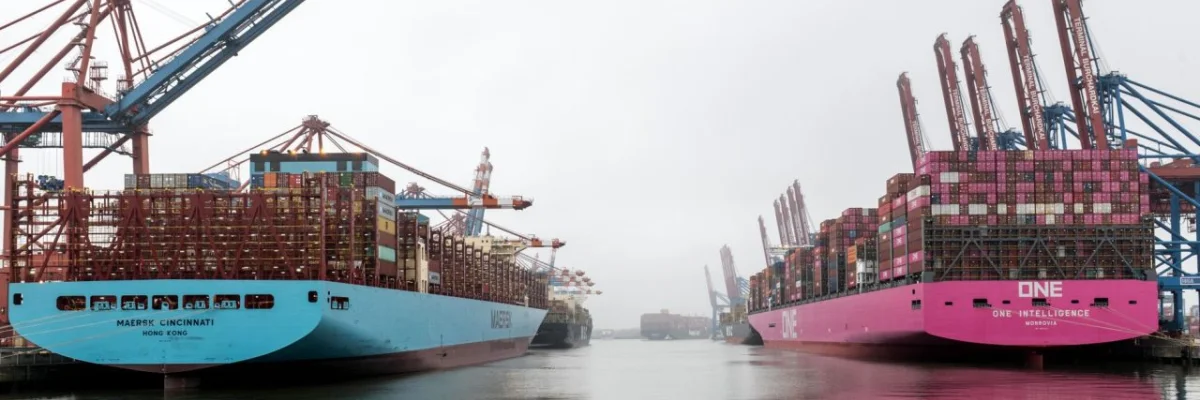
The global logistics landscape is undergoing a massive digital shift that demands higher levels of visibility and operational precision from freight forwarders. Relying on fragmented, manual systems often leads to data silos that hinder growth and customer satisfaction. Modern freight forwarders are increasingly turning to cloud-based platforms to unify their workflows, automate repetitive tasks, and ensure real-time data synchronization across every stakeholder in the supply chain. By embracing advanced technological integrations, companies can reduce human error, minimize administrative overhead, and position themselves to scale effectively while meeting the ever-evolving demands of international trade partners and complex logistics networks.
Seamless Data Exchange

The integration of digital platforms facilitates instant communication between shippers, carriers, and agents. By connecting disparate systems into a unified hub, logistics providers ensure that information flows without friction, enabling smarter decision-making and significantly improved responsiveness during unexpected supply chain disruptions.
- API Connection Standards: Implementing robust API protocols allows different software applications to communicate effectively, ensuring that your core freight platform remains the single source of truth for all transactional shipment data.
- Real-time Data Sync: Automated updates provide instant visibility into shipment statuses, allowing your team to proactively address potential delays before they impact the final delivery schedule for your valued customers.
- Automated Document Processing: Intelligent systems capture and categorize shipping documents automatically, reducing the time spent on manual data entry while simultaneously increasing accuracy across your entire operational document management workflow cycle.
- Multi-System Compatibility: Modern cloud platforms support integrations with major carriers and customs authorities, ensuring that your operations stay compliant with international regulations while maximizing the overall efficiency of your workflow.
By prioritizing seamless data exchange, forwarders move beyond outdated manual tracking methods that consume valuable time. This shift to automated information sharing creates a competitive advantage, as your operations team focuses on strategy rather than repetitive data entry. With accurate, real-time insights available at the click of a button, you can confidently promise superior service quality and faster resolution times for every unique cargo requirement.
Advanced Visibility Solutions
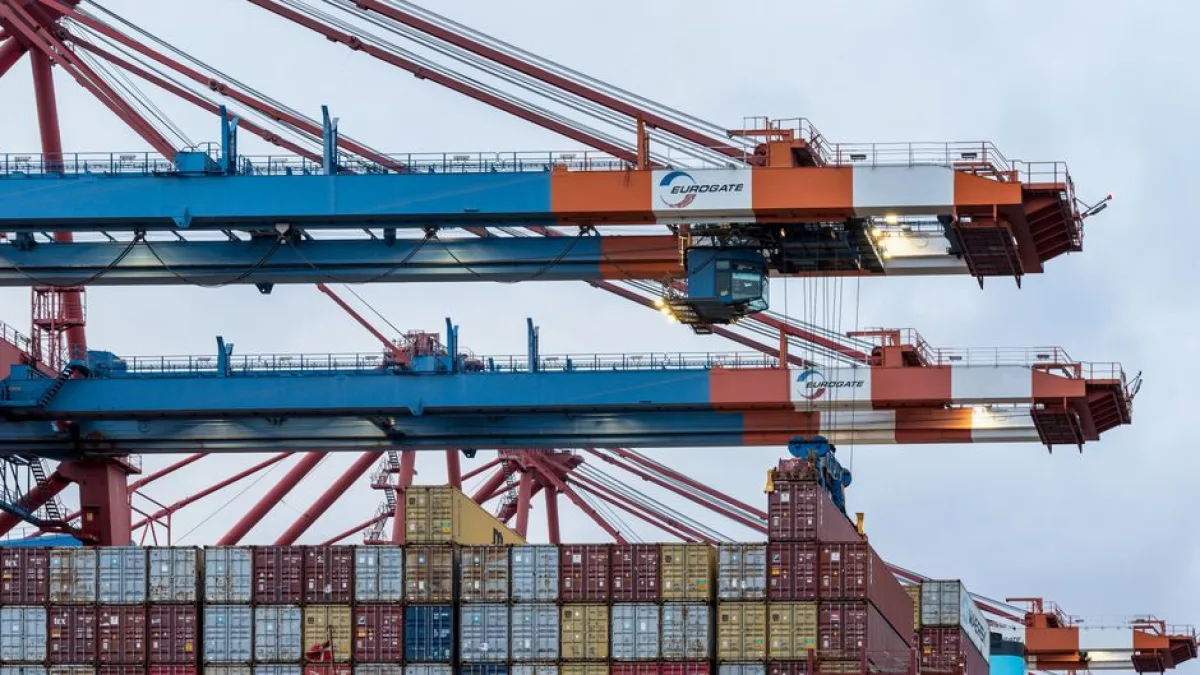
Real-time tracking technology provides end-to-end visibility that modern clients demand for their global shipments. Integrating live tracking data directly into your freight management platform empowers staff to monitor assets across ocean, air, and road networks with unparalleled precision today.
- Live Cargo Tracking: Integrating GPS and IoT sensor data allows your team to monitor cargo status, location, and condition continuously, ensuring maximum transparency throughout the entire international shipping process timeline.
- Predictive Delay Alerts: Advanced algorithms analyze historical data and current weather conditions to predict potential delays, enabling your staff to implement contingency plans well before issues negatively affect client operations.
- Dashboard Analytics Tools: Centralized dashboards provide a comprehensive view of shipment performance, helping management identify recurring bottlenecks and optimize carrier selection based on reliable, objective performance data gathered over time.
- Customer Self-Service Portals: Allowing clients to access their own shipment status updates through a branded portal reduces support volume, increasing transparency while improving the overall professional experience for your partners.
Visibility serves as the backbone of modern logistics excellence. When clients can access reliable, accurate data regarding their freight status, trust increases significantly. By leveraging high-level visibility integrations, your company transforms from a basic service provider into an indispensable supply chain partner. This digital maturity not only aids in client retention but also streamlines internal communications by reducing constant status inquiry calls.
Automated Financial Workflows

Financial automation is essential for maintaining healthy cash flow and reducing errors in the billing process. By linking accounting software directly to your freight management platform, your team can automate invoicing, payments, and complex currency conversions with ease.
- Integrated Invoice Generation: Automated systems generate accurate invoices immediately upon shipment completion, reducing the billing cycle time and significantly improving your overall accounts receivable performance for the entire business.
- Currency Conversion Automation: Real-time exchange rate integrations ensure that international invoices are calculated correctly based on daily market trends, preventing potential revenue leakage caused by manual calculation errors or delays.
- Expense Tracking Modules: Monitoring all freight-related costs in a single location allows for better budget management and helps identify cost-saving opportunities across various service providers or trade lanes.
- Secure Payment Gateways: Implementing direct payment integrations allows customers to settle their balances instantly, simplifying the transaction process while increasing overall security for both the freight forwarder and the shipper.
Streamlined financial workflows enable your finance department to focus on growth rather than tedious reconciliations. Automated billing reduces the risk of human error, which is often a source of contention with clients. Furthermore, the speed provided by these integrations accelerates your cash conversion cycle, ensuring that capital is available for reinvestment. This modern approach to finance is critical for scaling a successful business.
Scalable Infrastructure Growth

Cloud-based infrastructure offers the flexibility to scale operations without the need for significant capital expenditure on hardware. As your business volumes grow, your software ecosystem must remain agile enough to support increased throughput and new global market demands.
- Cloud Elasticity Benefits: Cloud systems automatically scale resources to handle higher shipment volumes during peak seasons, ensuring that your software remains fast and reliable regardless of your current operational activity level.
- Seamless Module Expansion: Modular software designs allow you to add new features, such as advanced customs filing or warehouse management, as your service offerings expand into new territories or industries.
- Security and Compliance: Leading cloud providers implement enterprise-grade security protocols, ensuring that your sensitive client data remains protected against emerging digital threats while maintaining compliance with international data privacy standards.
- Global Access Capabilities: Browser-based access empowers your team to manage logistics operations from any location worldwide, promoting flexible work environments while ensuring operational continuity across all your international branch offices.
Investing in scalable infrastructure ensures your business remains prepared for future growth. By utilizing cloud-native platforms, you avoid the constraints of legacy systems that often limit innovation. This flexibility allows your team to adopt new tools and services as they emerge, keeping you ahead of competitors. Ultimately, a scalable technology foundation provides the long-term stability needed for sustained success in the global marketplace.
Conclusion

Technology integration is no longer optional for forwarders aiming to thrive. By unifying data, enhancing visibility, and automating financial workflows, you establish a resilient foundation for your business. Modern cloud solutions enable you to reduce operational costs, minimize errors, and deliver an exceptional experience to your global clients. Start upgrading your systems today to ensure your company remains a leader in the digital logistics era.