Optimizing Operations Through Modern Freight Software Integrations
Sunday, September 13 2026

Modern logistics environments demand unprecedented levels of agility and precision to remain competitive in a volatile global market. Freight forwarders often struggle with fragmented systems that hinder communication and lead to costly manual errors during documentation processing. By adopting a cloud-based software platform, forwarders can centralize their operations and create a cohesive digital ecosystem. This shift allows teams to focus on strategic growth rather than repetitive administrative tasks. As the industry evolves, the seamless integration of digital tools becomes the primary differentiator for companies seeking to scale their operations effectively and deliver superior service to their global client base.
The Power of Centralized Data

A unified data architecture transforms how freight forwarders interact with their global shipping partners and customers. By consolidating information from various silos into a single cloud dashboard, teams gain total visibility over every shipment status and financial transaction in real time.
- Improved operational visibility: Real time data access ensures that every team member can monitor shipment milestones and identify potential delays before they escalate into major customer service issues for your team.
- Reduced manual entry: Automation features eliminate the need for redundant data input across multiple legacy systems which significantly decreases human error and saves your staff valuable time every day.
- Enhanced collaborative workflows: Integrated platforms allow departments to share documents and updates instantly, fostering better communication between your sales, operations, and accounting teams for a smoother overall shipping process.
- Better resource allocation: With clear insights into performance metrics, management can redistribute human resources more effectively to handle peak periods without overwhelming their current workforce or sacrificing client satisfaction levels.
Centralizing your data does more than just tidy up your internal digital files. It builds a foundation of transparency that clients expect in the current logistics climate. When every stakeholder sees the same accurate information simultaneously, trust increases and disputes vanish. This alignment allows your freight forwarding business to operate with newfound speed, ensuring that high-value shipments move through complex supply chains with minimal friction.
API-Driven Carrier Connectivity
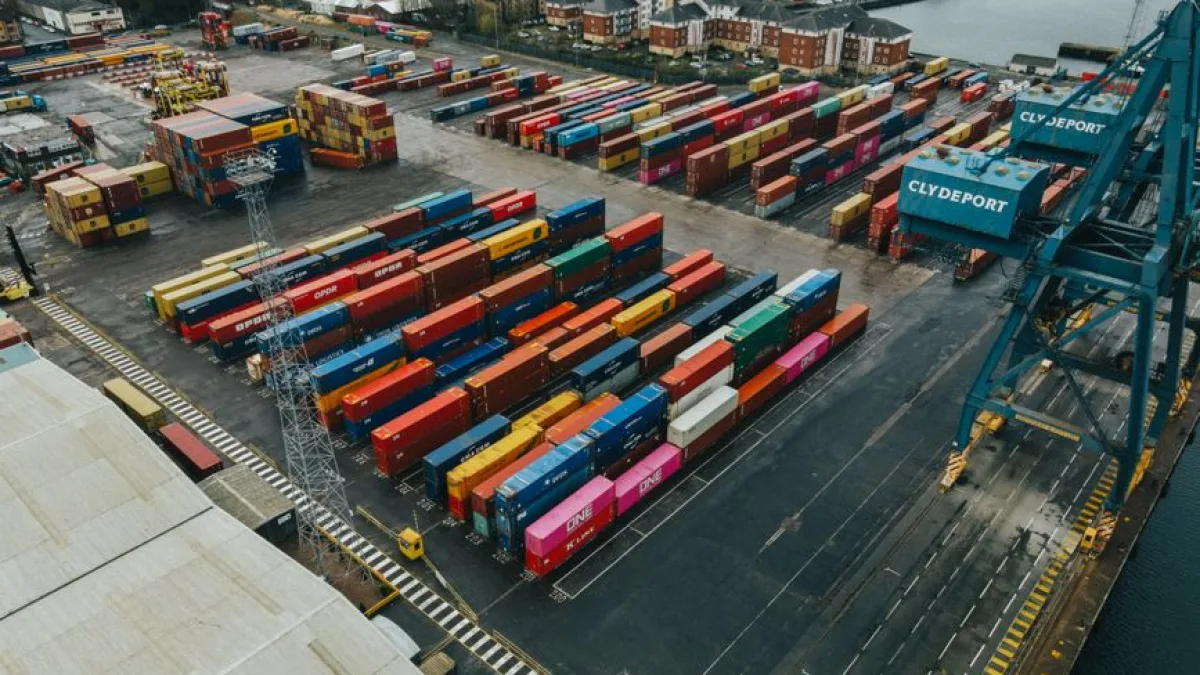
Connecting directly to carrier APIs allows freight forwarders to bypass outdated tracking methods and receive automated updates. This direct communication channel ensures that schedule changes or capacity updates are pushed directly into your platform without human intervention or manual refreshing.
- Automated status updates: Receive automatic push notifications for vessel arrivals and departures, allowing you to update your customers immediately without manually checking third party carrier websites for every shipment.
- Instant rate access: Query carrier rates through API connections to receive the most current pricing, helping you provide accurate and competitive quotes to your clients within seconds every time.
- Seamless document exchange: Transfer essential shipping documents like bills of lading and invoices directly through system integrations, which keeps your paperless office goals on track and highly organized.
- Standardized tracking formats: Normalize varied data outputs from different global carriers into a consistent format that your internal team can understand and report on with absolute ease today.
The ability to interface with carriers at a technical level is a massive advantage in the modern freight industry. By removing the middleman from the tracking process, your staff can transition from data collectors to logistics problem solvers. This API connectivity reduces the latency between an event occurring at the port and that information reaching your customer's dashboard for ultimate operational transparency.
Financial Transparency and Automation

Integrating financial modules with your core operational software provides a direct line of sight between shipments and profitability. Automated billing cycles ensure that invoices are issued as soon as tasks are completed, improving your overall cash flow position significantly.
- Automated invoice generation: Trigger professional invoices automatically once a shipment reaches its destination, which accelerates your payment cycles and significantly improves your overall company cash flow and financial health.
- Accurate cost tracking: Monitor every expense associated with a specific shipment to ensure that your margins remain protected against unexpected fees or fluctuating exchange rates during transport.
- Simplified tax compliance: Integrated finance tools automatically calculate complex tax requirements based on origin and destination points, ensuring that your business remains compliant across all global jurisdictions.
- Comprehensive profit reporting: Generate detailed profitability reports for specific clients or trade lanes to identify your most valuable business segments and refine your strategic focus for future growth.
Financial integration eliminates the disconnect between operations teams and accounting departments. When your billing is tied directly to shipping activities, the risk of forgotten charges or incorrect invoicing drops dramatically. This stability allows you to reinvest revenue back into the business with confidence. Furthermore, accurate reporting provides the business intelligence needed to make data-driven decisions that safeguard your firm against thin market margins.
Scaling Through Cloud Technology
Cloud-based platforms provide the elastic infrastructure necessary for freight forwarders to scale their operations as their volume grows. Unlike on-premise hardware, cloud solutions are designed to handle massive data loads without requiring costly upgrades or downtime during peak shipping seasons.
- Flexible user capacity: Scale your user access up or down instantly based on seasonal demand, ensuring that your team always has the tools they need without paying for unused licenses.
- Enhanced data security: Benefit from industry leading security protocols and regular backups that protect your client information against cyber threats far more effectively than any local server setup.
- Remote workforce support: Empower your logistics team to manage shipments from anywhere in the world, facilitating a flexible and modern work environment that attracts top industry talent today.
- Constant platform updates: Enjoy automatic software improvements and feature releases without the need for manual installations, keeping your operations at the cutting edge of logistics technology at all.
Adopting a cloud architecture is no longer optional for firms aiming to maintain a competitive edge. It provides the backbone for rapid expansion and ensures that your technology never becomes a bottleneck for growth. By outsourcing infrastructure management to a specialized platform, you gain the freedom to focus on your core competency, which is moving cargo efficiently while providing excellent value for your clients.
Conclusion

Embracing technology integrations is the most effective way to modernize your freight forwarding business and improve efficiency. By centralizing data, automating carrier connectivity, streamlining finances, and utilizing cloud infrastructure, you position your firm for sustainable success. Start evaluating your current software stack today to identify where these critical integrations can bridge the gaps in your workflow and drive long term growth for your team.