Optimizing Operations with Integrated Freight Forwarding Software
Friday, August 14 2026

Modern freight forwarding is no longer defined by manual entries and scattered spreadsheets that hinder growth and clarity. As global supply chains grow increasingly complex, professionals must leverage advanced technology to stay competitive in a fast-paced market. Digital transformation offers the ability to consolidate data, automate repetitive tasks, and improve overall visibility across every touchpoint of the logistics journey. By adopting a cloud-based software platform, forwarders can break down information silos and facilitate seamless communication with carriers and customers. Embracing these integrated digital solutions is the definitive step toward operational excellence and long-term scalability in an industry where time is money.
Centralized Data Management

Centralizing your data is the foundational step toward achieving true operational transparency and efficiency within your organization. When information is unified, teams spend less time searching for updates and more time managing client relationships and solving critical logistics challenges effectively.
- Unified Data Access: Our cloud platform ensures that every team member views the same live shipment data, effectively eliminating the common discrepancies caused by isolated or outdated software versions.
- Reduced Manual Entry: Automation tools significantly decrease the frequency of human errors during data input, allowing your staff to focus on high-value tasks rather than repetitive administrative chores.
- Improved Accuracy Rates: Automated validation checks during the booking process guarantee that all documentation remains compliant, reducing the risk of costly penalties or delays during international customs clearance.
- Enhanced Team Collaboration: Real-time sharing features allow your logistics team to communicate internally and with external partners, ensuring that everyone remains perfectly aligned throughout the entire shipping lifecycle.
By migrating to a centralized system, your logistics business gains a clear competitive advantage that translates into better service delivery. Teams that stop chasing paperwork are better equipped to handle rapid shifts in demand. This transition fosters a culture of accuracy and accountability, ensuring that every shipment is tracked and managed with the highest level of professional care and operational diligence today.
Automated Workflow Sequences

Automation serves as the engine for high-volume logistics, transforming manual workflows into streamlined digital processes. By automating routine documentation and status updates, your team can handle significantly higher shipment volumes without the need to expand your existing administrative headcount rapidly.
- Automated Task Triggers: Define specific workflows that automatically trigger notifications or document generation whenever a shipment status changes, ensuring that your customers always receive timely and accurate updates.
- Document Generation Speed: Our platform automatically populates bills of lading and commercial invoices using existing data, slashing the time required to prepare essential shipping documents for customs.
- Predictive Milestone Alerts: Receive instant notifications regarding potential delays before they impact your clients, allowing you to proactively offer solutions and maintain a high level of customer satisfaction.
- Customized Workflow Logic: Configure the software to match your unique operational needs, ensuring that your specific business rules are followed consistently across every department and global office.
Implementing intelligent automation allows your staff to transition from reactive troubleshooting to proactive management strategies. By removing the burden of manual data shuffling, employees gain the freedom to prioritize complex decision-making and client support efforts. This shift not only maximizes output but also boosts employee morale by eliminating mundane tasks that often lead to burnout in the fast-paced freight forwarding industry.
Real-Time Shipment Visibility

Visibility is the core requirement for modern logistics, providing the transparency that clients demand in today's digital age. With live tracking features, you can turn cargo status updates into a powerful value proposition that builds lasting trust with your partners.
- Live Tracking Maps: Provide your clients with a visual representation of their cargo journey, offering granular updates that demonstrate your commitment to transparency and modern service excellence.
- Instant Carrier Integration: Connect directly with major global carriers to pull real-time movement data into your dashboard, ensuring you never rely on outdated third-party tracking portals again.
- Client Portal Access: Empower your customers by providing them with a secure, branded login where they can download documents, view shipments, and check invoices independently at anytime.
- Proactive Exception Management: Identify potential bottlenecks or arrival delays through early data alerts, allowing your team to communicate effectively with stakeholders before small issues become significant problems.
Giving your customers a direct window into their supply chain reduces the volume of status inquiries that hit your support team. When clients have the power to help themselves through an intuitive portal, your internal resources are freed up to focus on high-priority shipments. This level of transparency is essential for maintaining long-term loyalty and securing repeat business in competitive markets.
Scalable Cloud Infrastructure
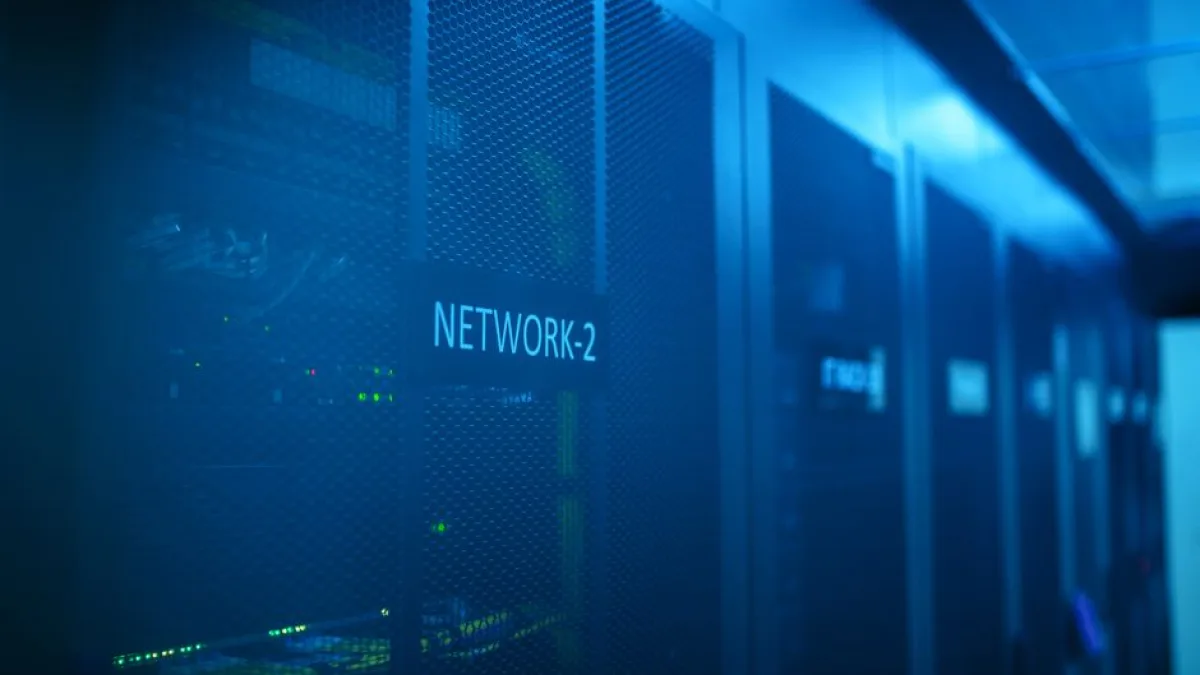
Scaling a freight forwarding business requires an infrastructure that grows alongside your operations without requiring massive hardware investments. Cloud technology ensures your systems are always accessible, secure, and ready to handle increased volume whenever your company expands into new markets.
- Remote Access Capability: Allow your staff to work from any location globally, ensuring that operations continue smoothly regardless of where your team members are physically located at present.
- High-Level Security Protocols: Protect your sensitive trade data with enterprise-grade encryption and regular security updates, keeping your customer information safe from cyber threats and unauthorized system access.
- Seamless Software Updates: Benefit from automatic feature releases and system improvements without the need for manual installs, keeping your business on the cutting edge of logistics technology.
- Cost-Efficient Scalability: Pay only for the tools and user accounts you currently need, allowing your software costs to scale up or down based on your actual shipping volume.
Investing in cloud infrastructure provides the stability and flexibility that modern forwarders need to thrive during times of growth. As your client base expands, your platform evolves to meet new operational demands without disrupting current workflows. This agility ensures that your technology remains an asset rather than a limitation, helping your firm stay resilient while navigating the constant changes within global trade.
Conclusion
Adopting an integrated freight forwarding platform is the most effective way to modernize your operations and secure a sustainable future. By focusing on data centralization, workflow automation, shipment visibility, and cloud scalability, you position your business to deliver superior service consistently. Start your journey toward digital transformation today with MakeCargo to see how our software simplifies complex logistics and boosts your overall productivity levels.