Optimizing Operations with Modern Freight Forwarding Technology
Friday, July 31 2026
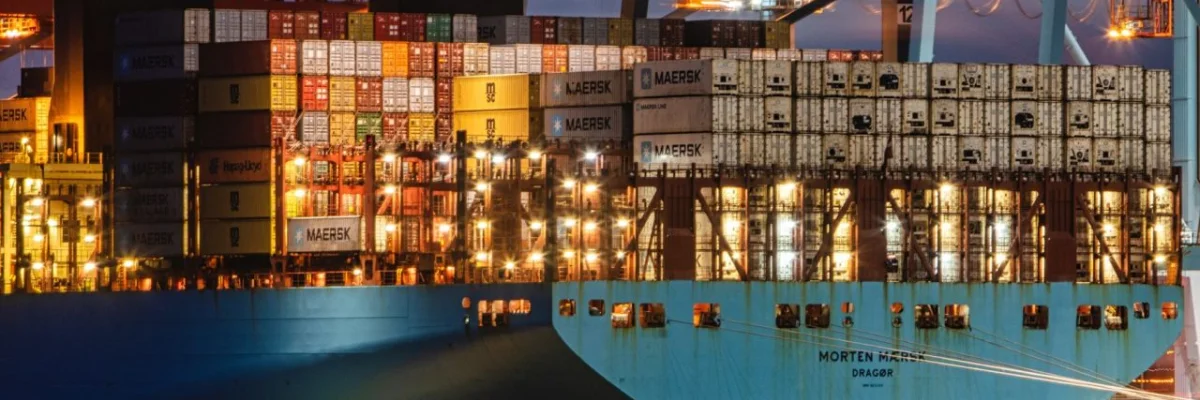
The global logistics landscape is undergoing a massive transformation driven by rapid technological advancement. For freight forwarders, keeping up with these shifts is no longer a luxury but a necessity for survival in a competitive market. As customer expectations for real-time visibility and transparency skyrocket, forwarders must leverage cloud-based platforms to digitize their workflows and remove legacy bottlenecks. This evolution allows logistics businesses to centralize their data, automate routine tasks, and focus on strategic decision making. By embracing these integrated digital tools, professional forwarders can drive operational excellence, reduce costly manual errors, and provide superior service levels to their global clients.
Centralized Cloud Infrastructure

Cloud infrastructure serves as the backbone of modern logistics, providing a single source of truth for all stakeholders. This digital foundation enables teams to access critical shipment documentation from anywhere in the world, ensuring seamless communication between partners and clients.
- Real time accessibility: Cloud systems allow your staff to access vital shipment records from any location which eliminates the need for physical paperwork and reduces delays in document processing.
- Data synchronization benefits: Automated updates across the platform ensure that every stakeholder views the same shipment status which prevents discrepancies and fosters trust between all parties involved in transit.
- Scalable operational growth: Cloud platforms adapt to your business needs as you handle higher shipment volumes without requiring costly hardware upgrades or complex maintenance of local server infrastructure.
- Enhanced security protocols: Robust encryption standards protect sensitive customer data from unauthorized access while maintaining full compliance with international data privacy regulations for your global logistics business operations.
- Disaster recovery options: Frequent automated backups ensure that your operational data remains safe and accessible even during unforeseen system outages or local hardware failures at your office.
By migrating your internal workflows to a centralized cloud platform, your team gains unparalleled control over the entire shipment lifecycle. This approach minimizes the fragmentation that often plagues traditional logistics operations. Consequently, your employees can spend less time searching for documents and more time managing client relationships. Investing in a resilient digital architecture today secures your competitive edge in an increasingly complex and fast paced global market.
Automated Workflow Management

Automation is the key to removing repetitive manual burdens from your experienced staff. By using smart software to handle routine scheduling and tracking tasks, you empower your team to dedicate their skills to complex problem solving and business development.
- Document automation tools: Intelligent software generates bills of lading and invoices instantly by pulling data directly from existing records which drastically reduces the risk of human entry errors.
- Smart task allocation: Automated workflow engines assign specific duties to team members based on their current capacity which ensures that no shipment detail is overlooked during transit.
- Status update triggers: Real time notification systems keep your clients informed without manual intervention which frees up account managers to focus on personalized support and customer retention.
- Customizable process workflows: Tailor your digital environment to match specific regional requirements or client demands while maintaining a consistent standard of quality across every single shipment handled.
- Error reduction strategies: Machine learning algorithms detect inconsistencies in shipment data before they cause delays and allow your staff to address potential issues before they impact the bottom line.
Integrating automation into your daily routine transforms how your agency operates on a fundamental level. By eliminating the manual data entry that often leads to costly mistakes, you improve your margins and increase output capacity. The result is a more agile organization that can handle spikes in cargo volume without requiring a proportional increase in headcount or working hours.
API Integrations and Connectivity

Connecting your software to external partners and carriers through APIs creates a truly unified supply chain network. These digital bridges allow disparate systems to talk to each other seamlessly, ensuring information flows freely between your platform and external stakeholders.
- Seamless carrier connectivity: Direct API connections to shipping lines and airlines provide instant access to capacity and schedules which speeds up the booking process for your team members.
- Custom client portals: Provide your customers with direct access to shipment tracking and reporting tools that integrate perfectly with your internal management software for full transparency.
- Customs agency portals: Automated data exchanges with local customs authorities reduce the time spent on clearance procedures and help your shipments move through borders without unnecessary cargo delays.
- Accounting software syncing: Automatically export verified shipment data to your financial software to ensure that your billing and accounting records are always accurate and ready for audit.
- Vendor ecosystem support: Connect with local transport providers and warehouse partners to create a cohesive digital network that manages your cargo from origin to the final destination.
Connectivity is the bridge that turns a standalone software tool into a powerful logistics hub. When your platform communicates directly with carriers and customs agencies, you eliminate the delays associated with manual updates and email chains. This creates a friction-free experience for your clients and positions your company as a modern, tech-forward partner capable of managing complex, high-value global supply chains.
Data Driven Decision Making

Data is the most valuable asset in modern logistics, provided you have the right tools to interpret it. Advanced analytics dashboards transform raw shipment numbers into actionable intelligence that informs your strategy and improves overall business performance and profitability.
- Performance metric tracking: Monitor key indicators like transit times and carrier reliability through visual dashboards that help you identify which partners provide the best value for your cargo.
- Financial insight generation: Generate detailed reports on profit margins per lane or client which allows you to adjust your pricing strategy based on real market data trends.
- Operational bottleneck identification: Use historical data to highlight recurring issues in your supply chain process so you can proactively address them before they affect your core services.
- Predictive market forecasting: Leverage historical shipping volume data to forecast future demand and capacity requirements so you can negotiate better rates and secure space in advance.
- Client behavior analytics: Identify patterns in your clients shipping habits to create tailored service packages that increase your revenue and improve your long-term business relationship stability.
Harnessing the power of your own operational data allows you to move away from guesswork and embrace precision. When every decision is backed by solid metrics, you reduce risk and uncover new opportunities for growth that would otherwise remain hidden. By utilizing these insights, your agency will move from reactive firefighting to proactive growth and maintain a leadership position in the industry.
Conclusion
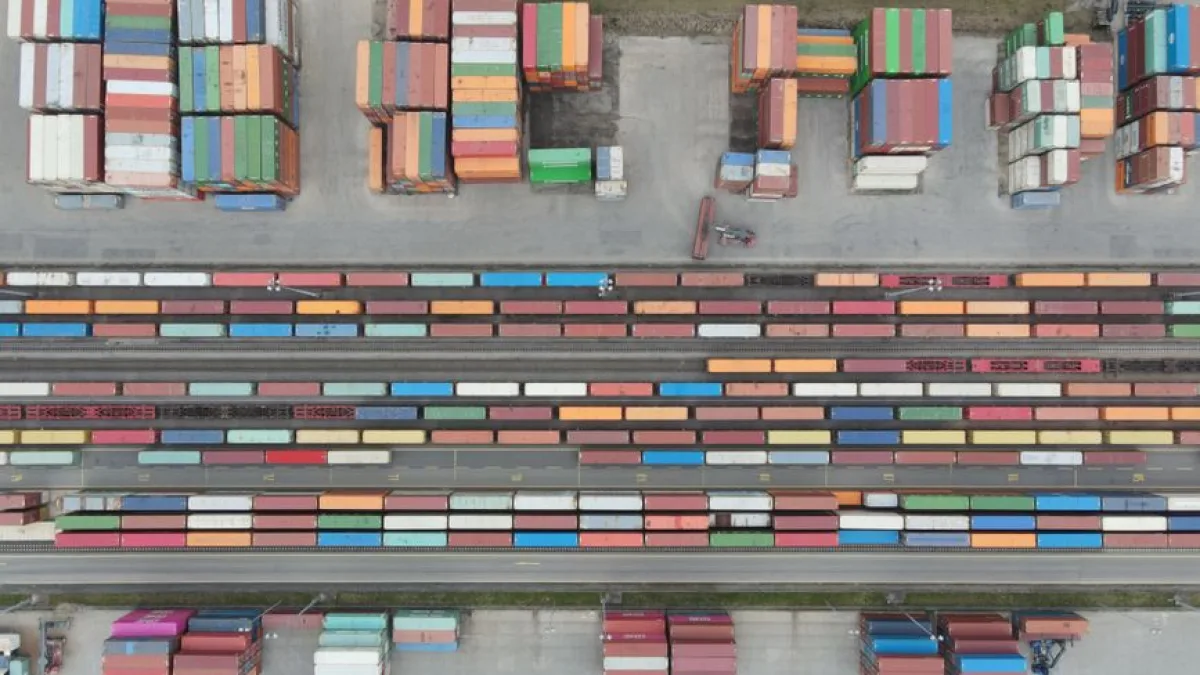
Technological integration is no longer optional for freight forwarders who want to remain relevant in a globalized economy. By adopting cloud-based platforms, automating routine tasks, and leveraging data analytics, your firm can achieve higher efficiency and better client satisfaction. Start your digital transformation today to future proof your operations. Contact MakeCargo to see how our platform can streamline your logistics workflows and support your business growth.