Optimizing Operations with Modern Freight Forwarding Technology
Friday, September 11 2026

The global logistics landscape is undergoing a profound transformation driven by rapid digitization and the need for greater transparency across supply chains. Freight forwarders are increasingly tasked with managing complex shipments while navigating volatile market conditions and heightened customer expectations for real-time visibility. Embracing advanced cloud-based platforms is no longer a luxury but a fundamental requirement for maintaining a competitive edge. By integrating intelligent software solutions, professionals can move away from fragmented manual processes toward a unified digital ecosystem that enhances decision-making accuracy, reduces operational risks, and ultimately fosters stronger relationships with global shipping partners and end clients alike.
Automating Manual Documentation Processes

Manual data entry remains a significant bottleneck in modern logistics workflows, often leading to costly errors and delays in processing critical documentation. Implementing automated solutions helps bridge the gap between physical cargo movement and digital records, ensuring data integrity throughout the journey.
- Reduce human error: Automated data extraction tools minimize manual input mistakes by directly scanning bills of lading and invoices to populate your cloud-based platform with accurate shipment details.
- Faster document turnaround: Digitized workflows accelerate the approval process by allowing team members to review and sign necessary customs documents instantly from any location around the world.
- Centralized document repository: Cloud systems store every essential file in one secure digital location, making it incredibly simple for teams to retrieve records during audits or reviews.
- Seamless compliance management: Built-in automated checks ensure that all generated documents meet the latest international customs regulations, preventing unnecessary border holds and administrative delays for your shipments.
By shifting focus from repetitive clerical tasks toward high-value strategic planning, your team can handle significantly higher cargo volumes without increasing headcount. Automated documentation creates a scalable foundation for growth, enabling your business to thrive even when seasonal spikes occur. Investing in these digital tools ensures that your company remains agile, accurate, and ready to meet the evolving demands of your diverse global customer base.
Enhancing Real-Time Shipment Visibility
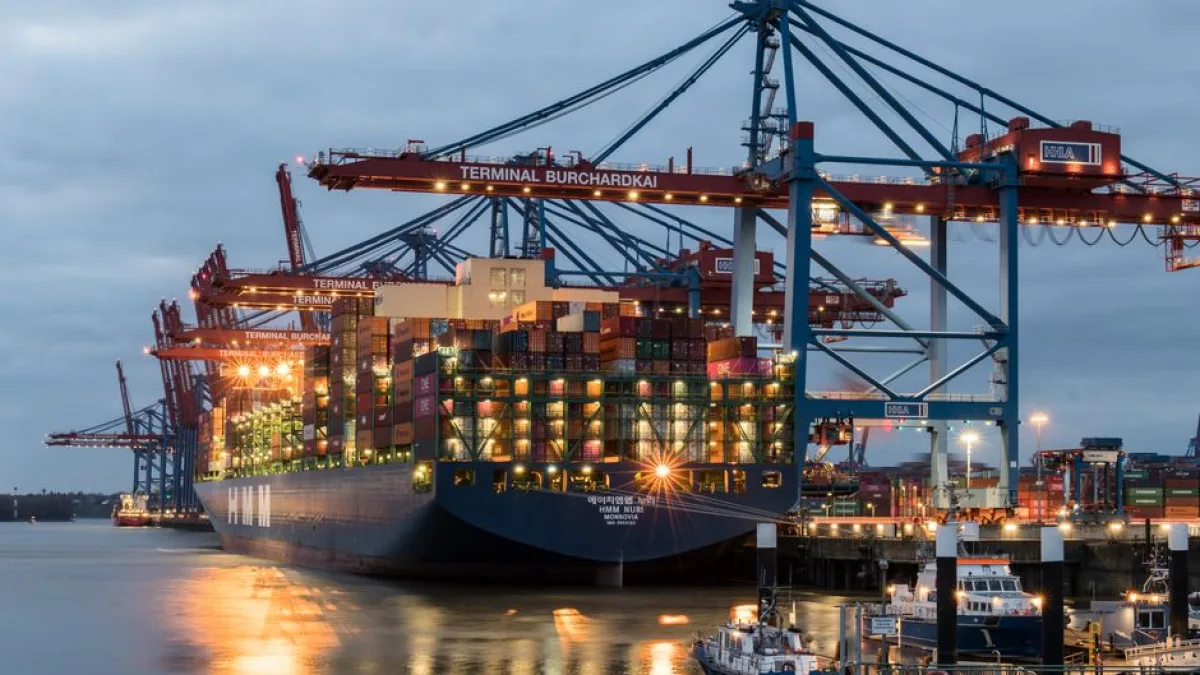
Clients demand instant updates on their cargo status, making transparency a core differentiator for forwarders. Utilizing integrated tracking technology provides comprehensive insights into every stage of the transit process, from the initial warehouse pickup to final destination delivery confirmation.
- Live tracking updates: Integrating directly with ocean and air carrier APIs ensures that your dashboard reflects current vessel positions and status changes without constant manual refreshes.
- Proactive anomaly alerts: Smart systems send immediate notifications to your operations team if a shipment faces unexpected delays, allowing you to inform customers before they even ask.
- Client portal access: Providing your customers with dedicated portal access allows them to monitor their active freight orders independently, significantly reducing the volume of inbound status inquiries.
- Comprehensive route analysis: Detailed tracking data helps you evaluate carrier performance over time, enabling better selection of shipping partners based on historical reliability and speed metrics.
Superior visibility is the cornerstone of building long-term trust with your shipping partners. When you proactively manage exceptions through real-time data, you move from being a simple service provider to becoming an indispensable supply chain partner. This proactive stance not only boosts customer satisfaction but also minimizes the stress of managing logistics challenges during periods of unexpected global supply chain instability.
Scaling Through Cloud Integration

Cloud infrastructure provides the flexibility required to adapt to fluctuating market conditions and business expansion goals. Unlike legacy on-premise software, cloud-based freight platforms allow for rapid deployment and seamless scaling as your logistics operation grows in complexity and scope.
- Global team access: Cloud platforms support remote work environments by providing secure access to shipment data for employees located in different time zones or global offices.
- Cost effective scaling: Subscription-based cloud services allow you to pay only for the features and users you currently need, making it easier to manage overhead.
- Automatic software updates: Cloud service providers manage all platform upgrades and security patches, ensuring your team always has access to the latest tools without maintenance downtime.
- Advanced data security: Professional cloud hosting providers implement enterprise-grade encryption and regular backups, keeping your sensitive client information safer than most local server alternatives can offer.
Leveraging the power of the cloud empowers your business to operate as a cohesive unit regardless of geography. By eliminating the technical limitations of physical servers, you gain the agility to integrate new features and services as they become available. This technological foundation is essential for forwarders who aim to modernize their operations and stay ahead of competitors in a digital-first economy.
Streamlining Financial Management Systems

Connecting your operational data directly to accounting systems is a game changer for financial health. Integrating freight software with financial tools reduces billing cycles, improves cash flow forecasting, and provides a clear picture of profit margins per shipment or client.
- Automated billing cycles: Linking operations with finance means that once a shipment is marked delivered, the system automatically triggers an invoice generation process for your clients.
- Real-time profit analysis: Gain immediate insights into margin performance by comparing actual shipping costs against original quotes to identify potential revenue leaks in your logistics business.
- Optimized cash flow: Faster invoicing and automated payment reminders contribute to healthier cash flow, ensuring your business always has the capital required for future growth.
- Integrated expense tracking: Capture and reconcile all ancillary charges immediately, ensuring that every cost incurred during the shipping process is accurately billed to the correct party.
Unified financial management eliminates the friction often found between operations and accounting teams. When everyone relies on the same source of truth, disputes over billing accuracy decrease dramatically, fostering a smoother experience for your clients. Investing in integrated financial tools transforms your back-office operations into a high-performance engine that supports your overall business strategy and drives consistent, predictable growth for years.
Conclusion

Adopting modern technology is the ultimate catalyst for success in the competitive freight forwarding industry. By automating documentation, enhancing visibility, utilizing the cloud, and integrating financial systems, you position your firm to tackle complex logistics challenges with confidence. Start optimizing your operations today to build a more resilient, efficient, and profitable future that keeps your customers satisfied while growing your global business reach.