Optimizing Shipping and Tracking for Freight Forwarding Success
Thursday, July 30 2026
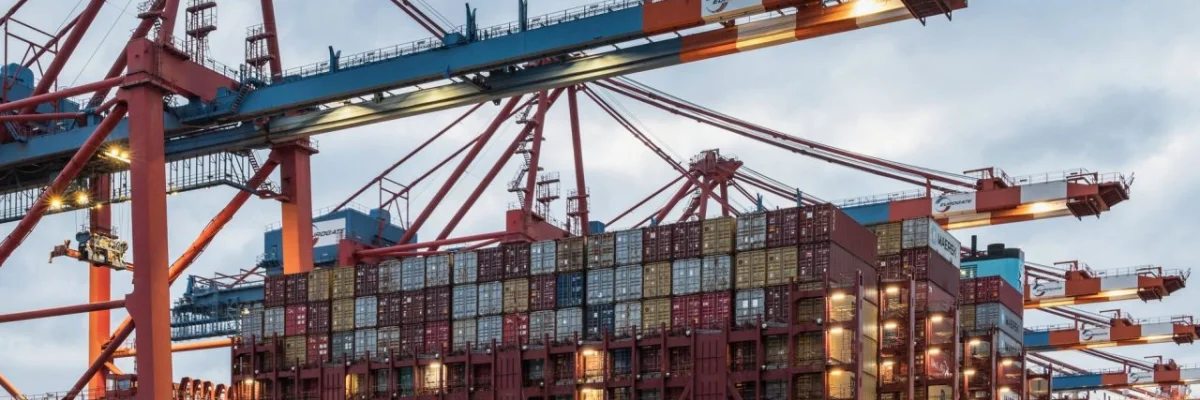
Modern freight forwarding relies heavily on the ability to provide real-time transparency across global supply chains. As digital transformation reshapes the logistics landscape, shipping and tracking capabilities have evolved from a luxury into a fundamental requirement for operational success. Clients now demand instant access to cargo locations, transit times, and exception notifications to maintain their own inventory accuracy. By leveraging advanced cloud-based platforms, forwarders can transcend traditional communication barriers, delivering precise data that builds trust and long-term loyalty with every shipment handled. Mastering these digital workflows is the most effective way to gain a competitive edge in a fast-paced market.
The Rise of Real-Time Visibility

Real-time visibility tools provide a digital window into the movement of goods across oceans and land borders. These systems aggregate data from multiple carriers, giving forwarders a unified view that eliminates the need for manual status inquiries and frequent phone calls.
- Enhanced Data Accuracy: Automated tracking integrations ensure that the information displayed to clients remains consistently updated without manual entry errors or delays caused by human oversight in busy office environments.
- Proactive Exception Management: By identifying potential delays before they impact the final delivery schedule, forwarders can quickly offer alternative routing solutions that keep supply chains moving despite unexpected regional infrastructure disruptions.
- Better Client Communication: Providing customers with self-service tracking portals reduces the volume of repetitive status check inquiries, allowing your staff to focus on solving complex logistical challenges instead of reporting.
- Optimized Operational Flow: Centralizing shipping data within one platform creates a single source of truth that simplifies internal reporting, auditing, and performance analysis for every individual shipment handled by teams.
Adopting sophisticated visibility technology changes how freight forwarders interact with their client base every single day. By moving away from reactive updates and toward proactive notifications, businesses can significantly improve their service quality standards. This shift not only builds confidence but also positions your company as a reliable partner capable of navigating today's complex logistics environment with speed, efficiency, and complete transparency.
Leveraging Automated Tracking Notifications
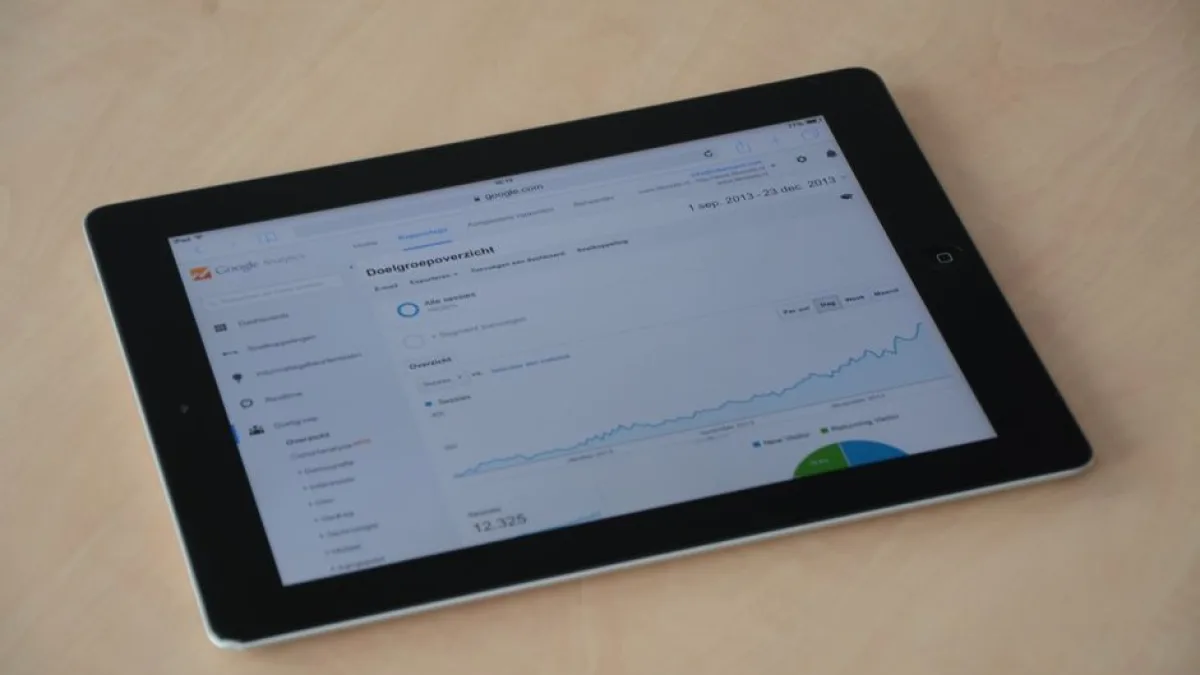
Automated notifications act as the bridge between your platform and your client requirements. These intelligent alerts ensure that all stakeholders are notified the moment a key milestone occurs, reducing the need for constant updates and manual data reconciliation tasks.
- Instant Status Updates: Automatic triggers send immediate alerts whenever a container reaches a major port or passes a customs milestone, keeping all necessary parties informed without any extra manual labor effort.
- Customized Alert Rules: Forwarders can configure specific threshold settings that trigger notifications based on shipment priority levels, ensuring that urgent cargo receives more frequent updates than standard economy freight shipments.
- Multi-Channel Communication Delivery: Modern software sends tracking data through various channels like email or direct platform messages, ensuring that stakeholders receive crucial information via their preferred method of communication daily.
- Reduced Administrative Burden: By automating routine tracking communications, your operational team saves hours of repetitive work per week, allowing them to focus on high-value business development and strategic account management tasks.
Automation serves as the backbone for scalable logistics operations, especially as your cargo volume grows over time. Implementing these smart workflows removes the bottlenecks that prevent high growth while maintaining the level of service your clients expect. When your systems handle the routine tracking updates autonomously, your team gains the freedom to provide personalized support, which remains a key differentiator for industry success.
Integrating Data for Global Visibility
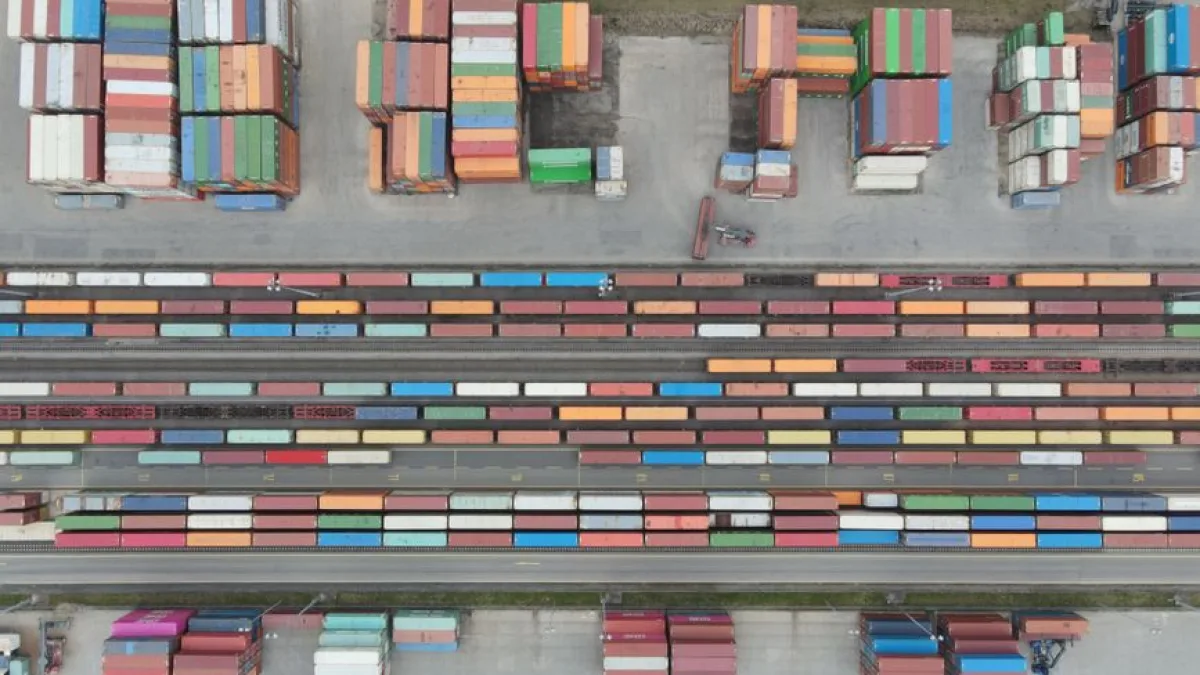
Integration between disparate supply chain systems is essential for achieving true end-to-end visibility. When your software connects directly with carrier portals and customs databases, you gain a comprehensive picture of the cargo journey from the origin warehouse to destination.
- Unified Data Streams: Connecting carrier APIs directly to your platform eliminates the fragmentation often found in legacy systems, providing a seamless flow of accurate information that simplifies complex global logistics workflows.
- Seamless Customs Transparency: Integrated tracking modules show clear progress on customs clearance processes, allowing forwarders to manage documentation requirements more effectively while reducing the risk of cargo being held at borders.
- Improved Carrier Accountability: Monitoring carrier performance through integrated tracking data allows your team to evaluate transit times and service reliability, leading to better decision making regarding future carrier selection strategies.
- Simplified Internal Auditing: Centralized digital records make it easy to audit every shipping document, status change, and transit milestone, ensuring full compliance with industry regulations and internal operational quality standards consistently.
Total integration is no longer an optional upgrade for logistics companies looking to scale effectively. It provides the necessary infrastructure to manage diverse shipping routes while maintaining high levels of data integrity across all global operations. As you link these digital assets together, you create a robust network that supports faster decision making, better cost control, and a superior experience for your logistics customers.
Transforming Client Experience Through Data

The quality of your digital client experience now serves as a key measure of your firm's professional reputation. Providing customers with a branded, intuitive portal for tracking and document management builds significant value beyond just moving freight from point A to point B.
- Branded Tracking Portals: Customizable portals allow you to display your unique company identity, reinforcing your professional image while giving clients a secure space to review their specific shipment status updates.
- Self-Service Document Access: Giving clients instant access to invoices, packing lists, and bills of lading through an online portal reduces paperwork delays and increases administrative speed for every single project.
- Improved Transparency Trust: Open communication and clear visibility into the cargo lifecycle create a transparent relationship, which is vital for securing repeat business and establishing long-term customer service partnerships.
- Higher Client Retention: Providing excellent digital tools makes your services stickier, encouraging satisfied customers to keep coming back because they value the time savings and convenience your platform provides daily.
Investing in your client interface is one of the most impactful ways to drive long-term business growth in the logistics sector. When customers feel empowered by the information available at their fingertips, they are more likely to view your business as a technology partner rather than just another vendor. This transition is essential for building a resilient, highly profitable freight forwarding organization today.
Conclusion

Mastering shipping and tracking is essential for modern freight forwarders who want to excel in a competitive market. By implementing automated visibility tools, integrated systems, and user-friendly client portals, companies can streamline their daily operations while significantly boosting customer satisfaction. Start optimizing your digital logistics infrastructure today to ensure your team remains efficient, responsive, and ready to meet the evolving demands of global trade.