Optimizing Shipping and Tracking for Freight Forwarding Success
Saturday, October 3 2026
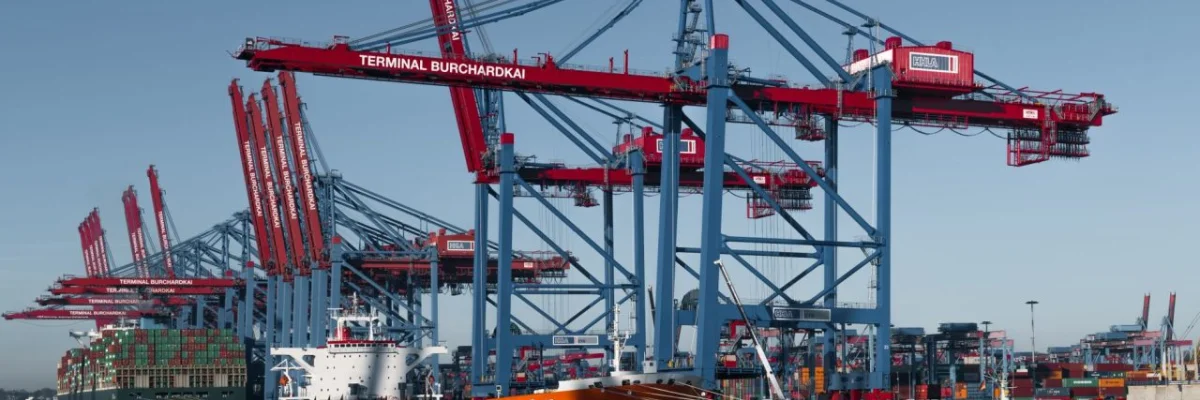
Modern freight forwarding operations demand an unprecedented level of visibility to maintain a competitive advantage in a volatile global market. As supply chains grow more complex, the ability to monitor cargo in real time has shifted from a luxury to a fundamental requirement for operational excellence. Forwarders who leverage cloud-based tracking technology reduce manual administrative burdens while enhancing customer satisfaction through transparent communication. This article explores how advanced digital tools allow logistics professionals to anticipate delays, manage documentation efficiently, and build resilient networks that stand the test of time in an increasingly digital landscape for international cargo transport.
The Power of Real Time Visibility
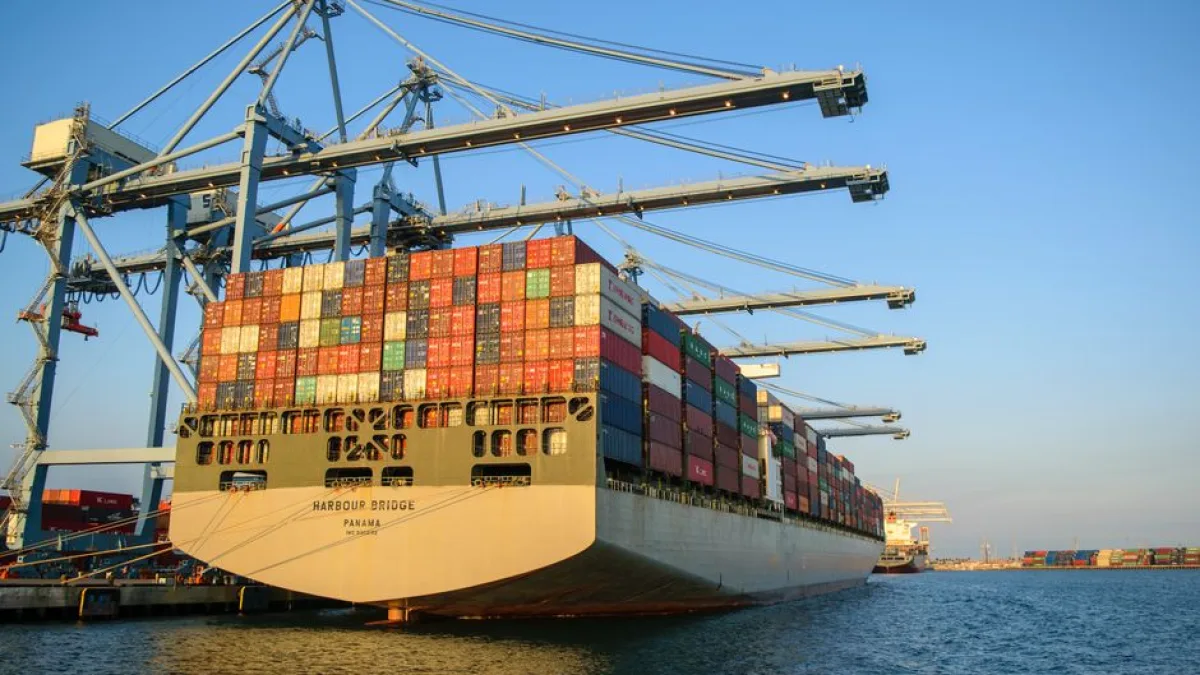
Real time tracking provides the granular data necessary to keep stakeholders informed from the point of departure to final delivery. This visibility minimizes uncertainty by allowing teams to address potential bottlenecks before they escalate into costly logistics failures for your clients.
- Improved shipment accuracy: Precise GPS data ensures that cargo location is always known, helping teams provide clients with exact updates and reducing the time spent on manual status check inquiries.
- Proactive delay management: Automated alerts notify operators when vessels deviate from scheduled routes, allowing for rapid contingency planning to mitigate impact on delivery deadlines and overall supply chain flow.
- Enhanced client trust: Providing customers with a branded portal for shipment monitoring creates a transparent relationship, which is essential for long term retention in the competitive freight industry.
- Data driven insights: Aggregated tracking data helps identify recurring delays at specific ports or with certain carriers, enabling smarter route planning and better vendor selection for future shipments.
By shifting focus toward proactive monitoring, freight forwarders transform their service model from reactive firefighting to strategic supply chain management. This transition not only reduces internal overhead costs but also positions your company as a reliable partner capable of navigating complex global trade routes. Embracing these digital capabilities ensures that your team remains agile, responsive, and fully prepared to handle the demands of today's fast paced shipping environment.
Digital Documentation and Seamless Workflow

Digitizing documentation is essential for maintaining a streamlined workflow that supports effective tracking efforts. When shipping data is synced with cargo location, forwarders can verify compliance and ensure that customs clearance processes proceed without unexpected delays or costly clerical errors.
- Unified cloud storage: Centralizing all shipping documents in a single cloud platform ensures that every stakeholder has instant access to bills of lading and commercial invoices when needed.
- Automated compliance checks: Intelligent software scans documents for discrepancies against customs requirements, which helps prevent cargo holds and streamlines the processing of international shipments at global border points.
- Reduced administrative time: Eliminating physical paperwork allows staff to focus on high value tasks like relationship building, while software handles the repetitive data entry of shipping logs and reports.
- Secure data sharing: Encrypted portals allow for safe exchange of sensitive information with carriers and clients, ensuring that critical data remains protected while remaining accessible to verified parties.
Integrating documentation directly into your tracking workflow eliminates the fragmentation that often plagues logistics operations. By ensuring that every document is linked to its corresponding shipment, forwarders gain a holistic view of the entire logistical journey. This level of digital maturity not only speeds up international trade processes but also significantly reduces the risk of human error during peak shipping seasons.
Advanced Analytics for Strategic Growth

Leveraging tracking analytics enables freight forwarders to optimize their routes and carrier partnerships based on actual performance metrics. By analyzing historical shipping data, companies can identify trends that support more profitable decision making and improve their overall operational efficiency levels.
- Carrier performance scoring: Detailed reports track the punctuality of different shipping lines, enabling managers to select partners who consistently meet deadlines while maintaining high standards of cargo handling quality.
- Route optimization strategies: Analyzing transit times across various geographical lanes allows forwarders to suggest the fastest or most cost effective routing options to their clients during peak demand periods.
- Trend forecasting capabilities: Predictive analytics models assist in anticipating seasonal demand shifts, ensuring that your team has adequate resources and carrier capacity to handle increased shipment volume effectively.
- Cost reduction identification: Pinpointing inefficiencies in the supply chain helps reveal opportunities for lowering fuel surcharges or renegotiating contracts based on actual volume and frequency of shipments.
Data analytics transforms raw tracking figures into actionable business intelligence that drives long term profitability. By understanding the nuances of your supply chain performance, you can better serve your clients and allocate resources where they generate the most value. Investing in these analytical tools provides a clear roadmap for scaling your operations and achieving consistent growth in the demanding world of international freight logistics.
Leveraging Cloud Software for Integration

Cloud platforms serve as the backbone for integrating disparate shipping tools into one cohesive interface. These systems enable seamless communication between your team, the carriers, and the end clients, ensuring that everyone is updated on the status of cargo in real time.
- Seamless API connectivity: Modern platforms connect effortlessly with carrier systems, which allows for the automatic ingestion of tracking updates directly into your company dashboard without any manual intervention.
- Centralized communication hubs: Integrated messaging tools within the platform allow staff to resolve shipment issues quickly, keeping all correspondence documented and transparent for every member of the team.
- Scalable business solutions: Cloud technology grows with your organization, providing the flexibility to add new users and features as your freight forwarding business expands into new markets.
- Enhanced mobile accessibility: Field agents and warehouse staff can access tracking data from any location using tablets or smartphones, ensuring that operational updates occur immediately upon cargo arrival.
Adopting a cloud based solution is no longer an optional upgrade but a core requirement for forwarders aiming to stay relevant. By unifying your tracking, communication, and management tools, you create a robust ecosystem that simplifies complex logistical tasks. This technological foundation empowers your staff to deliver exceptional service while maintaining high levels of accuracy across every shipment handled by your firm today.
Conclusion

Mastering shipping and tracking is essential for modern freight forwarders who want to excel in a globalized economy. By implementing advanced digital tools and data driven strategies, you can improve transparency, increase operational efficiency, and build stronger relationships with your clients. Start leveraging these powerful cloud solutions today to modernize your logistics workflows and position your freight forwarding business for lasting long term success.