Optimizing Shipping and Tracking for Modern Freight Forwarders
Thursday, August 13 2026
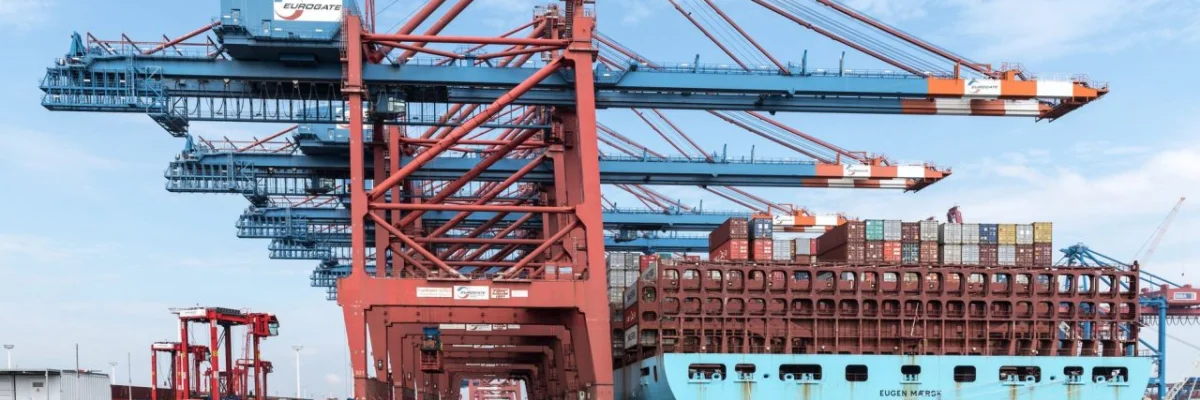
In today's fast-paced logistics environment, the ability to track shipments with precision defines market leadership for freight forwarders. Clients now demand immediate visibility, pushing traditional forwarders to abandon manual tracking methods for integrated digital solutions. By leveraging cloud-based platforms, professionals can now consolidate data, mitigate potential bottlenecks, and provide a seamless customer experience that builds long-term loyalty. This evolution in shipping management is not merely an optional upgrade but a fundamental requirement for maintaining a competitive edge. Embracing these advanced tracking technologies allows teams to reduce administrative burdens while simultaneously increasing transparency and reliability throughout the complex global supply chain process.
Real-Time Visibility Solutions

Advanced tracking dashboards provide a centralized view of all active shipments moving across the globe. By digitizing the workflow, forwarders can quickly identify delays, update stakeholders automatically, and maintain full control over the status of every single container in their operational network.
- Automated status updates: Real-time notifications ensure that both the internal team and the end customers are alerted immediately whenever a shipment status changes during the transit phase.
- Centralized data access: Consolidating all shipping data into one cloud platform prevents information silos and allows employees to access critical documentation from any location globally at anytime.
- Proactive delay management: Analytical tools enable forwarders to identify potential supply chain bottlenecks before they escalate into costly problems for the client or the freight network.
- Enhanced operational accuracy: Digital systems eliminate the risk of human error inherent in manual spreadsheets, ensuring that all tracking numbers and delivery dates are precisely logged.
Implementing a unified digital interface transforms how your team interacts with global logistics data. By removing manual entry tasks, staff members can focus on higher value activities like client acquisition and strategic planning. This shift towards automated real-time visibility significantly boosts operational efficiency, resulting in faster decision making and a superior experience for shippers who expect instant clarity regarding their cargo whereabouts and arrival times.
Predictive Analytics for Logistics

Predictive analytics harness historical data to forecast transit times and potential disruption risks. Forwarders utilizing these sophisticated models can make data-driven decisions that prevent delays and optimize route selection for a more resilient and reliable shipping performance for clients.
- Historical trend analysis: Examining past performance data helps teams predict potential seasonal bottlenecks and adjust their capacity planning to handle fluctuating demand volumes during peak periods effectively.
- Intelligent route planning: Advanced algorithms compare various carrier options to suggest the most time-efficient and cost-effective shipping paths for every specific customer delivery requirement identified today.
- Risk mitigation forecasting: Predicting likely weather or political disruptions allows forwarders to suggest proactive re-routing options to clients, thereby minimizing the impact on sensitive project cargo timelines.
- Performance benchmarking tools: Comparing carrier performance metrics against industry standards enables forwarders to select the most reliable partners for their clients, improving overall customer satisfaction levels annually.
Utilizing predictive insights allows your firm to transition from a reactive model to a proactive powerhouse in the logistics sector. By anticipating challenges before they manifest, you demonstrate value that exceeds simple transportation services. Clients will appreciate the foresight and planning, which secures your reputation as an essential supply chain partner capable of handling complex challenges while maintaining consistent and reliable delivery schedules.
Integrating Carrier API Connections
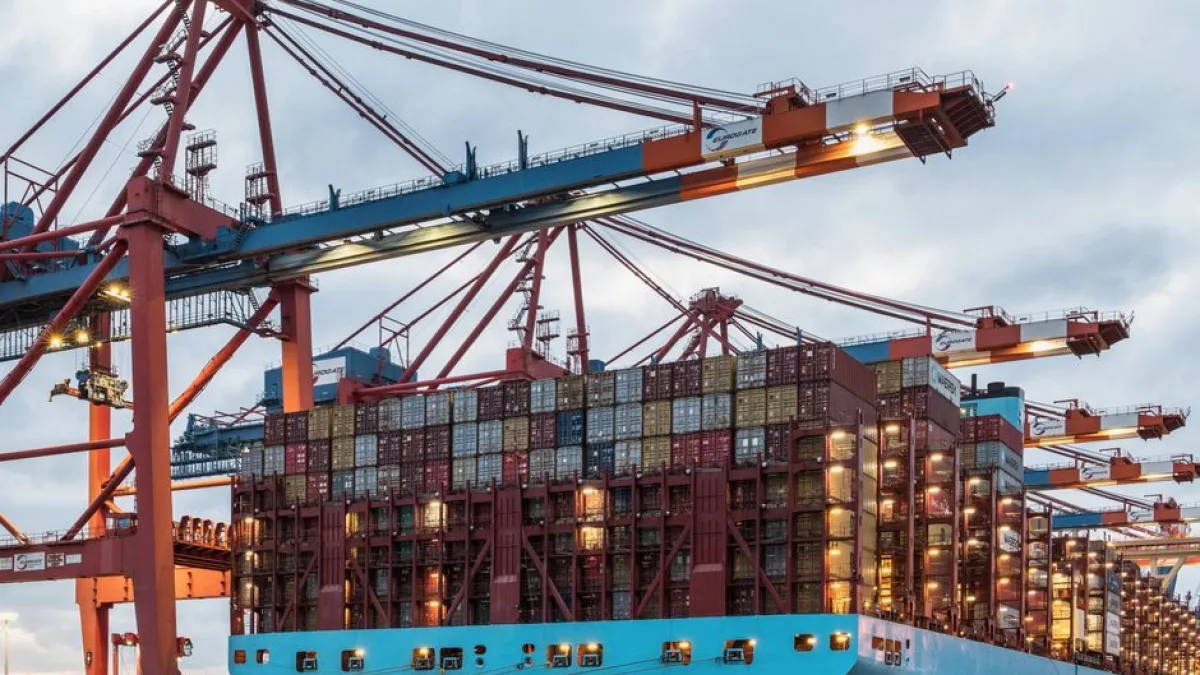
Integrating directly with carrier APIs provides a seamless flow of information from the source to your management system. This integration eliminates the need for checking multiple carrier websites, saving valuable time and ensuring data consistency for every shipment.
- Direct system connectivity: Linking directly with major shipping lines ensures that tracking updates are pulled automatically into your platform without requiring any manual intervention by staff.
- Instant document retrieval: Essential shipping documents like bills of lading are retrieved automatically from carrier systems, reducing administrative downtime and speeding up the overall billing process.
- Unified communication flow: Standardized data formats across different carriers ensure that all information remains consistent and easy to interpret for your internal logistics coordination team.
- Seamless software scalability: Adding new carrier integrations as your business grows ensures that your system remains robust and capable of handling increased shipping volumes without disruption.
Direct API integration creates a smooth information ecosystem that supports rapid growth and operational excellence. By automating the data exchange, your team avoids the frustration of logging into diverse portals and copying information manually. This approach not only saves significant labor hours but also minimizes errors, ensuring your client communication is always based on the most accurate and up to date information.
Enhancing Customer Communication Portals

Dedicated customer portals improve transparency by allowing shippers to track their own goods independently. By providing self-service access, forwarders reduce the volume of inbound status inquiries and empower clients with direct visibility into their own logistics operations.
- Self-service tracking access: Providing clients with a personalized portal allows them to monitor cargo status whenever they want, reducing the reliance on phone or email support.
- Customized report generation: Customers can export their own shipping history and performance reports, which streamlines their internal auditing and inventory management processes for their company.
- Automated notification settings: Enabling clients to customize their own alert preferences ensures they receive updates on the events that matter most to their specific business operations.
- Secure document sharing: Private cloud folders allow for the safe exchange of invoices and certificates, fostering a professional environment where all essential paperwork remains easily organized.
Empowering your clients with self-service tools is a strategic move that strengthens professional relationships while decreasing administrative costs. When shippers gain autonomy, they become more satisfied with the partnership and more likely to increase their business volume with your firm. Focus on building intuitive portals that reflect your brand, as these digital touchpoints are often the primary interaction clients have with your company.
Conclusion
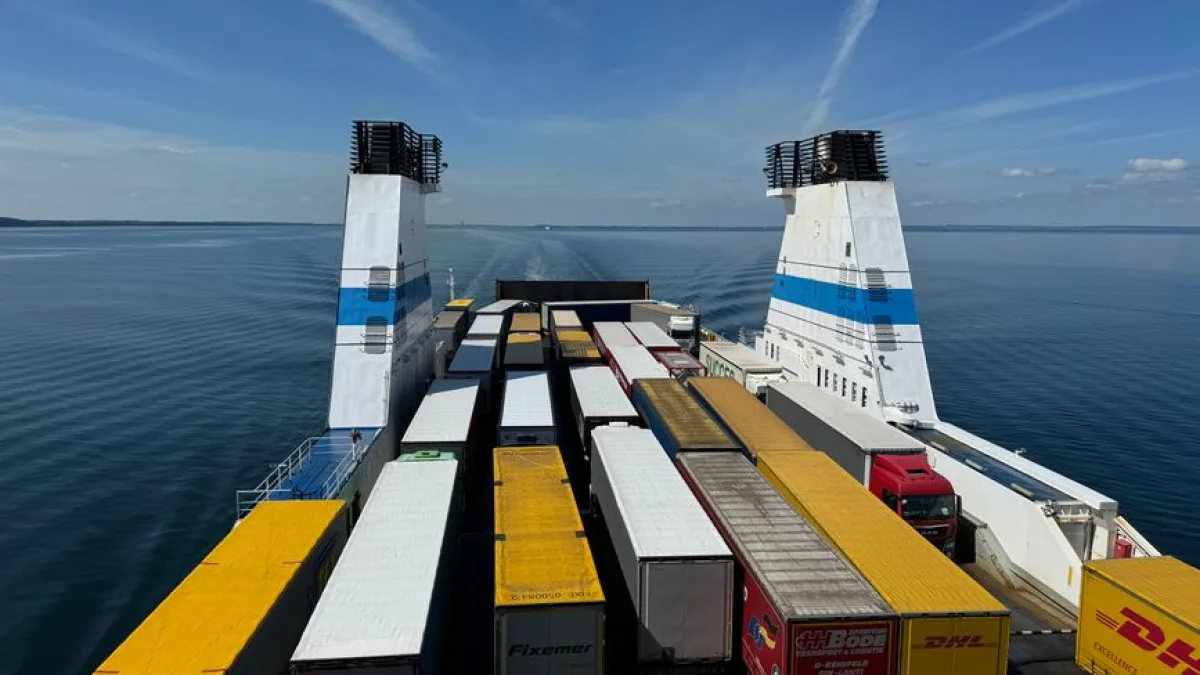
Advancing your shipping and tracking capabilities is essential for modern freight forwarders aiming to thrive in a digital-first economy. By embracing real-time visibility, predictive analytics, carrier API connectivity, and client portals, you position your business for sustained growth and superior service quality. Invest in these cloud-based solutions today to streamline operations and deliver the transparency that your valued clients expect and deserve.