Optimizing Shipping and Tracking for Modern Freight Forwarders
Saturday, September 12 2026

In the fast-paced world of global trade, freight forwarders face increasing pressure to provide real-time visibility and operational efficiency. Manual tracking processes are no longer sufficient to meet the demands of modern shippers who require instant status updates on their cargo. As digital transformation reshapes the logistics industry, forwarders must leverage cloud-based platforms to automate data entry and provide a transparent view of the supply chain. By integrating sophisticated tracking technology, businesses can significantly reduce communication overhead and improve client satisfaction, ensuring that shipments move smoothly from origin to final destination across every complex international border.
The Digital Visibility Mandate
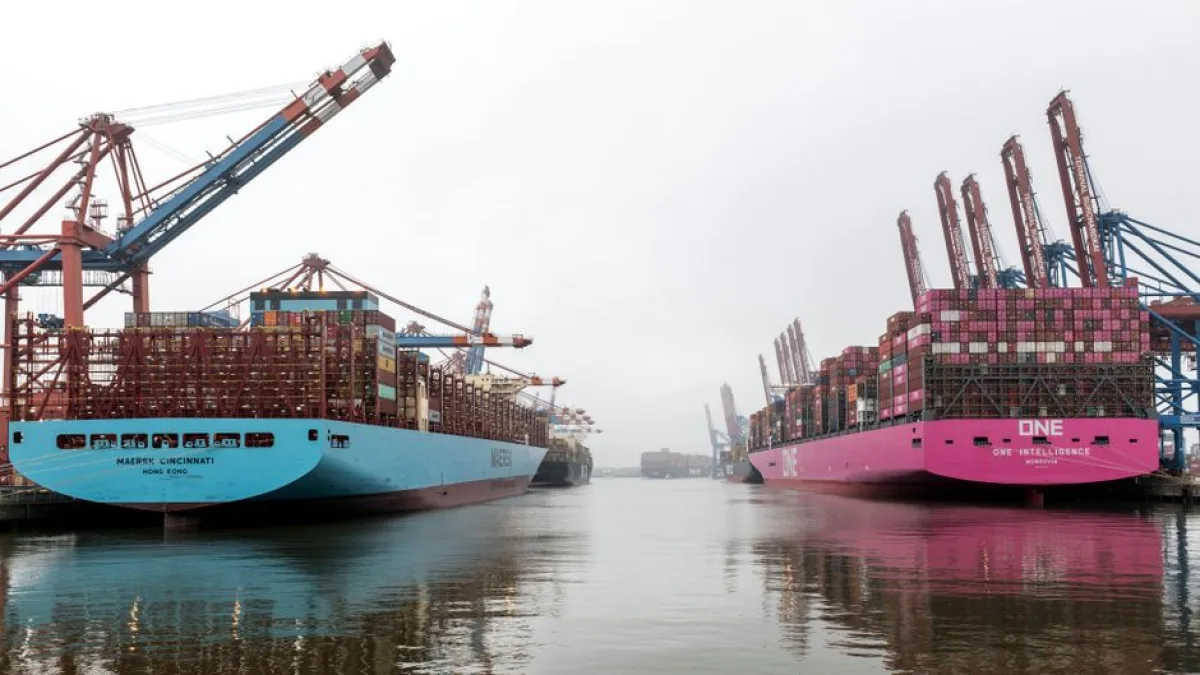
Digital visibility has transitioned from a competitive advantage to an essential requirement for surviving in global freight. Forwarders now leverage cloud software to aggregate data from multiple carriers, providing clients with a unified dashboard that tracks cargo location and status updates in real time.
- Enhanced Data Accuracy: Automated systems eliminate human errors associated with manual data entry, ensuring that shipping documentation and location updates remain consistent across every stage of the transit process.
- Client Trust Building: Providing customers with direct access to tracking dashboards fosters transparency, which strengthens long-term business relationships and increases overall client retention rates for your freight agency.
- Proactive Exception Management: Advanced tracking tools alert your team to delays immediately, allowing you to notify clients or adjust routing plans before small issues escalate into major operational disruptions.
- Competitive Market Positioning: Offering superior tracking capabilities differentiates your firm from traditional competitors, making your services more attractive to high-volume shippers who prioritize supply chain reliability above all else.
Adopting digital visibility tools allows your team to focus on high-value logistics challenges rather than answering routine status queries. By centralizing all shipment data in a cloud platform, you create a single source of truth that empowers both staff and customers. This efficiency upgrade reduces administrative burdens while simultaneously positioning your freight forwarding business as a modern, technology-forward partner in the global supply chain.
Optimizing Carrier Data Integration

Connecting directly with carrier APIs ensures that your freight software receives updates the moment they occur. This seamless flow of information eliminates the need for chasing emails or phone calls, streamlining the way you manage complex multimodal transportation routes.
- Real Time Syncing: Automated API connections push shipping data directly into your dashboard, removing the delay inherent in manual reporting and giving you a constant view of global inventory.
- Streamlined Workflow Automation: Integration allows your software to trigger internal workflows automatically, such as generating arrival notices or customs documentation, based on the specific tracking status provided by carriers.
- Unified Global Dashboard: Centralizing multiple carrier updates into one interface simplifies the management of diverse shipments, reducing the time spent navigating disparate websites to monitor transit progress globally.
- Historical Data Analysis: Consistently recorded tracking data provides a robust foundation for long-term performance reviews, helping you identify which carriers perform best for specific lanes or freight types.
Integrating carrier data transforms your operations from reactive to proactive. By removing manual data retrieval from your daily routine, you save hours of work each week that can be redirected toward business development. This shift not only improves speed but also enhances the overall quality of service you provide to your shippers by delivering accurate information at all times without delay or confusion.
Improving Last Mile Transparency

The final leg of transportation remains the most unpredictable part of the journey. Implementing robust tracking protocols for last mile deliveries gives forwarders the granular control needed to manage final handoffs effectively and confirm successful cargo arrival times.
- Precise Delivery Tracking: Utilizing GPS integration allows for precise location updates during the last mile, ensuring that your team knows exactly when a shipment arrives at the destination.
- Automatic Status Alerts: Triggered updates based on arrival milestones keep all stakeholders informed, which reduces the volume of manual inquiries that often overwhelm customer service departments during peak times.
- Proof of Delivery: Digital signature capture and photo documentation provide indisputable records of shipment handovers, which helps in resolving disputes quickly while protecting your company from various liability issues.
- Customized Client Notifications: Automated email or text updates allow you to keep the end recipient informed throughout the final transit stage, adding a professional touch to services.
Focusing on last mile transparency significantly improves the end customer experience by removing uncertainty during the final stage of transport. When your team can confirm deliveries with precision, you avoid costly delays and build lasting credibility with your clients. Using software to bridge the final gap in your shipping chain is an essential step toward achieving full end to end visibility for every shipment.
Building Scalable Tracking Processes

Scalability relies on your ability to handle higher volumes without increasing headcount. By standardizing tracking procedures through cloud software, your freight forwarding business gains the flexibility to grow operations rapidly while maintaining high standards of service for all your active global clients.
- Standardized Operating Procedures: Implementing consistent tracking protocols across your team ensures that every shipment receives the same level of care and oversight, regardless of who manages the specific account.
- Cloud Based Scalability: Using a cloud platform allows you to manage thousands of shipments simultaneously, ensuring your software remains stable and responsive as your business volume expands globally.
- Cross Functional Access: Granting different team members specific access levels keeps workflows organized, allowing sales, operations, and accounting departments to see only the relevant tracking data they require for tasks.
- Seamless Partner Collaboration: Sharing real time updates with warehouse partners and subcontractors ensures everyone stays aligned on shipping timelines, preventing miscommunication that often leads to errors or cargo delays.
Creating scalable tracking processes is essential for long-term growth and stability. By relying on robust software rather than manual labor, you ensure that your business remains agile in an ever-changing market environment. These standardized practices protect your service quality during periods of rapid expansion, allowing you to onboard new clients and handle complex logistics requirements with confidence, consistency, and minimal internal friction.
Conclusion

Leveraging advanced tracking technology is the primary factor that separates successful freight forwarders from the rest of the pack. By prioritizing real-time visibility, carrier integration, and process scalability, you create an environment where efficiency and client satisfaction thrive. Start optimizing your shipping operations today to ensure your business remains competitive and prepared for the future of global logistics and digital trade.