Optimizing Shipping and Tracking for Modern Freight Forwarders
Thursday, October 22 2026
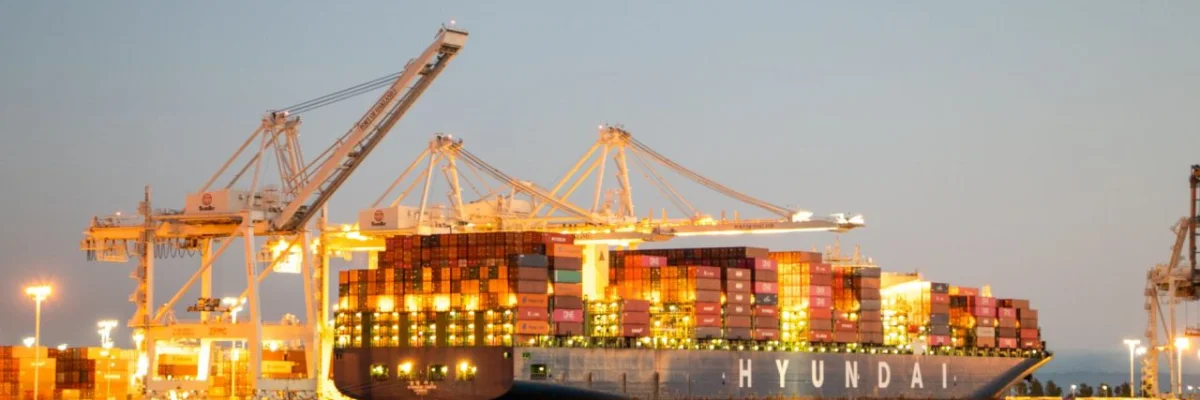
The global logistics landscape is changing rapidly as clients demand higher levels of transparency and speed. Freight forwarders are currently tasked with the challenge of managing complex supply chains while meeting real-time tracking expectations. Leveraging advanced software is no longer a luxury but a strategic necessity for firms aiming to maintain a competitive advantage. By integrating digital tracking solutions into daily operations, forwarders can minimize manual errors, improve operational efficiency, and build stronger trust with their customers. This article explores how modern technology empowers logistics professionals to handle the intricacies of ocean, air, and land freight with greater precision and confidence.
Mastering Real-Time Cargo Visibility
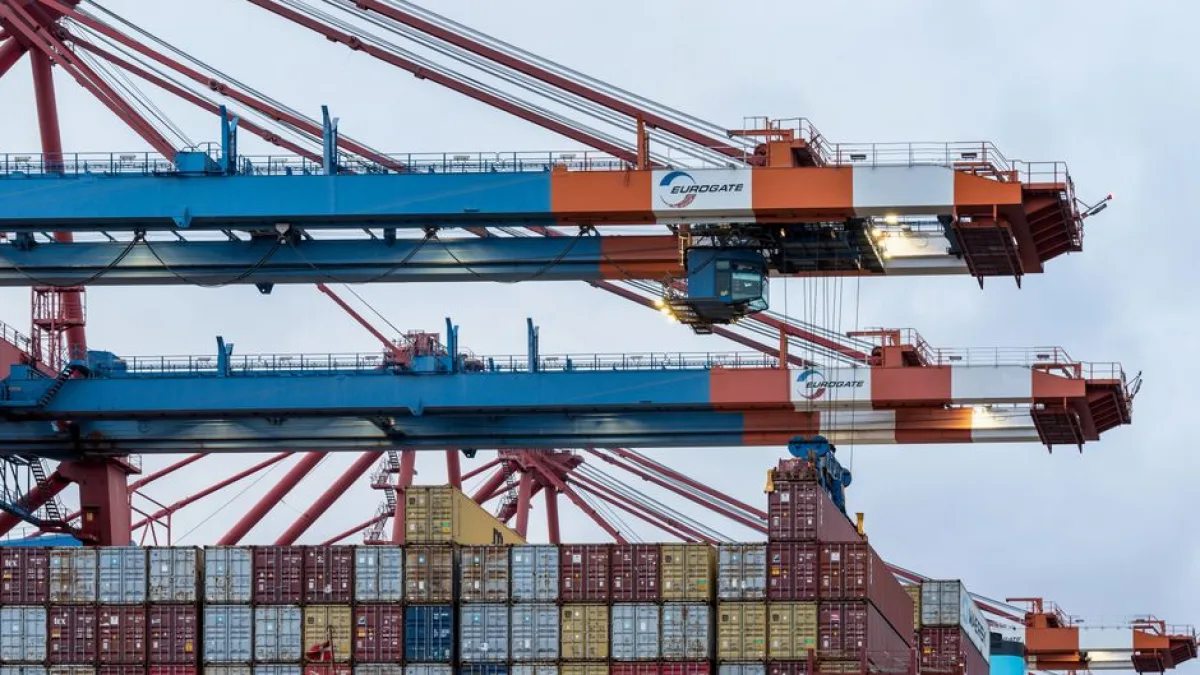
Real-time visibility serves as the backbone of modern shipping operations. By utilizing cloud-based tracking software, forwarders can monitor container movements across diverse transport modes, ensuring that all stakeholders remain informed about potential delays or milestone updates throughout the global supply chain journey.
- Automated status updates: Advanced software platforms trigger automated notifications for cargo milestones, reducing the need for manual status checks and allowing your team to focus on high-value logistics management tasks.
- Digital document integration: Centralizing bill of lading and customs documentation within your tracking system ensures that every team member accesses current data, preventing costly errors during the transit process.
- Exception management tools: Intelligent software alerts highlight anomalies in transit routes, enabling proactive communication with clients and carriers before small issues escalate into significant, unmanageable supply chain disruptions.
- Carrier API connections: Direct integrations with major shipping lines provide live data feeds, ensuring that the tracking information displayed to customers reflects the true status of their cargo.
Achieving total visibility significantly reduces the volume of repetitive inquiry emails from anxious clients. When customers have access to a secure portal showing their shipment progress in real time, they feel empowered and informed. This shift in operational transparency transforms the client experience, turning routine logistics transactions into value-added services that solidify long-term business relationships and encourage repeat bookings across your company network.
Data Accuracy in Freight Documentation

Accurate data management is vital for maintaining smooth customs clearance and carrier processing. Digital platforms eliminate the risks associated with manual data entry, providing a single source of truth that helps forwarders maintain compliance and avoid expensive penalties during import operations.
- Error reduction strategies: Automated validation rules prevent the submission of incomplete or incorrect documentation, ensuring that all freight files meet international shipping standards before departure from the port.
- Unified database architecture: Storing all shipment details in a cloud-based system allows for instant information retrieval, which is essential for responding to urgent inquiries from warehouse managers.
- Streamlined customs compliance: Integrated tools automatically update tax and tariff information, helping freight forwarders maintain strict regulatory adherence while processing shipments across various international borders and jurisdictions.
- Collaborative workflow tools: Shared digital workspaces enable internal teams to review documents in real time, reducing the turnaround time required for final approvals on complex freight shipping files.
Reliable data is the foundation of any successful freight forwarding business. When your documentation process is precise, you decrease the likelihood of shipment holds at customs or incorrect billing cycles. By transitioning to a cloud-based environment, you provide your staff with the necessary tools to handle high volumes of documentation accurately, thereby improving the overall speed and reliability of your logistics services.
Enhancing Customer Communication Channels

Effective communication serves as the primary bridge between a forwarder and the shipper. Modern shipping software offers integrated portals that allow clients to track their assets, view invoices, and communicate directly with their account managers through one unified interface.
- Client portal access: Providing customers with secure login credentials allows them to download tracking reports and invoices independently, saving your support team valuable time during busy seasons.
- Proactive delay notifications: Setting up automated alerts for weather or port congestion ensures that your clients receive bad news early, fostering trust through honesty and transparent communication.
- Mobile accessibility features: Ensuring that your shipping platform works on mobile devices allows clients to check on their cargo status from anywhere, enhancing the overall professional service experience.
- Customizable report generation: Offering clients the ability to create personalized tracking reports helps them manage their own internal inventory better, increasing the perceived value of your services.
Building a robust communication strategy helps you stand out in a saturated market. When your clients can access information whenever they need it, their satisfaction levels climb rapidly. Using integrated software to facilitate these interactions allows your staff to transition from being reactive problem solvers to proactive logistics partners, ultimately leading to higher retention rates and a stronger reputation within the shipping industry.
Scaling Operations Through Automation

Scaling a freight forwarding business requires efficient processes that do not rely on excessive manual labor. Automation allows your firm to handle increased shipment volumes without sacrificing the quality of service or the accuracy of your tracking reports for your clients.
- Automated workflow triggers: Creating rule-based workflows ensures that critical tasks are completed on time, preventing bottlenecks and keeping shipment schedules on track during periods of rapid growth.
- Scalable cloud infrastructure: Cloud-based software platforms grow alongside your business, providing the flexibility to add new users or regions without the need for complex, costly server maintenance.
- Standardized operating procedures: Implementing digital templates ensures that every shipment is handled with consistent quality, which is crucial for maintaining operational excellence as your customer base expands.
- Performance analytics insights: Reviewing automated reports helps managers identify trends and areas for process optimization, ensuring that your team maintains high efficiency even during peak seasons.
Scaling effectively is about building a system that works for you, rather than working for the system. By automating the repetitive aspects of tracking and documentation, you free up your talent to focus on strategic growth initiatives. This approach ensures that your freight forwarding firm remains agile and capable of handling complex challenges while maintaining the high-quality service your clients expect from you.
Conclusion
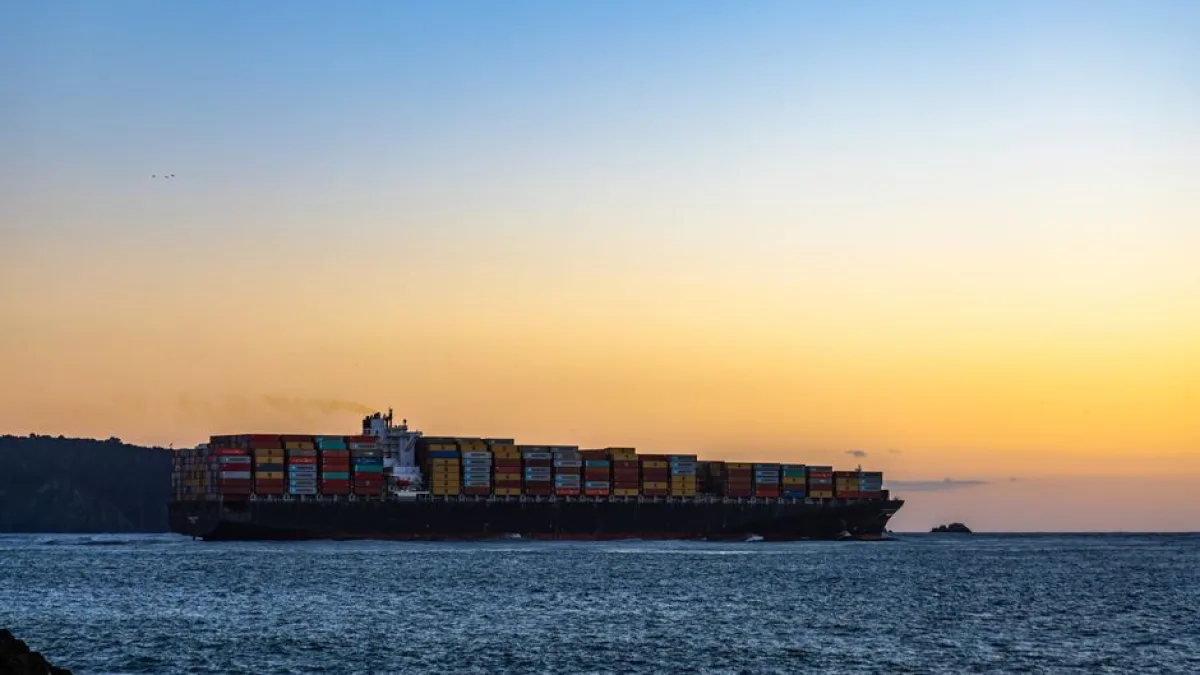
Success in modern freight forwarding relies on the seamless integration of technology into every aspect of shipping and tracking. By adopting cloud-based solutions, forwarders can enhance transparency, ensure data accuracy, and scale their operations to meet rising global demands. Prioritizing these digital capabilities today will prepare your business for the future, ensuring long-term profitability and lasting client satisfaction in a highly competitive logistics landscape.