Optimizing Shipping and Tracking for Freight Forwarding Success
Tuesday, October 13 2026
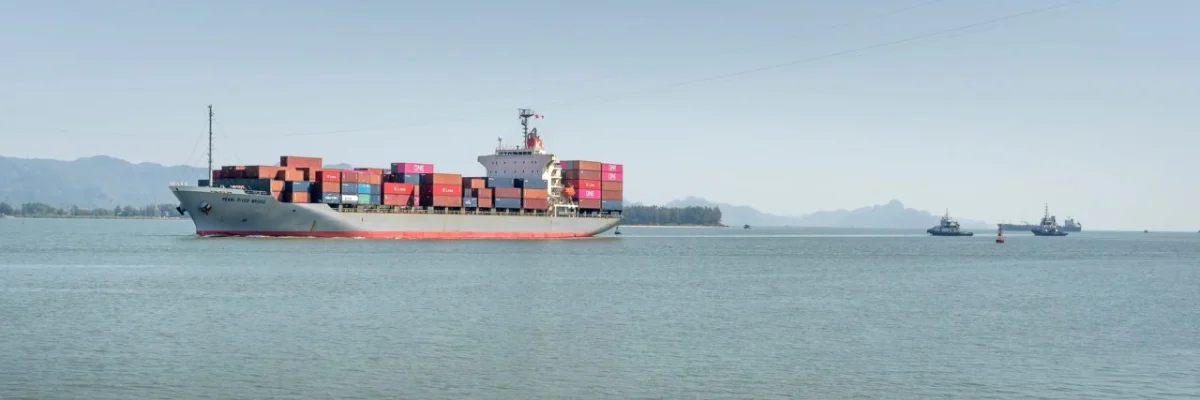
In the fast-paced world of logistics, effective shipping and tracking define the success of modern freight forwarders. Clients demand instant transparency, forcing companies to move beyond traditional manual tracking methods toward automated, cloud-based solutions. By integrating real-time data, forwarders can mitigate risks, reduce administrative burdens, and provide superior customer experiences that foster long-term loyalty. As global supply chains grow increasingly complex, adopting advanced technological tools becomes necessary to maintain a competitive edge. This article explores how MakeCargo helps logistics professionals harmonize their operations, providing the visibility needed to navigate unpredictable maritime environments and land-based logistical hurdles with precision and confidence.
Leveraging Real-Time Visibility
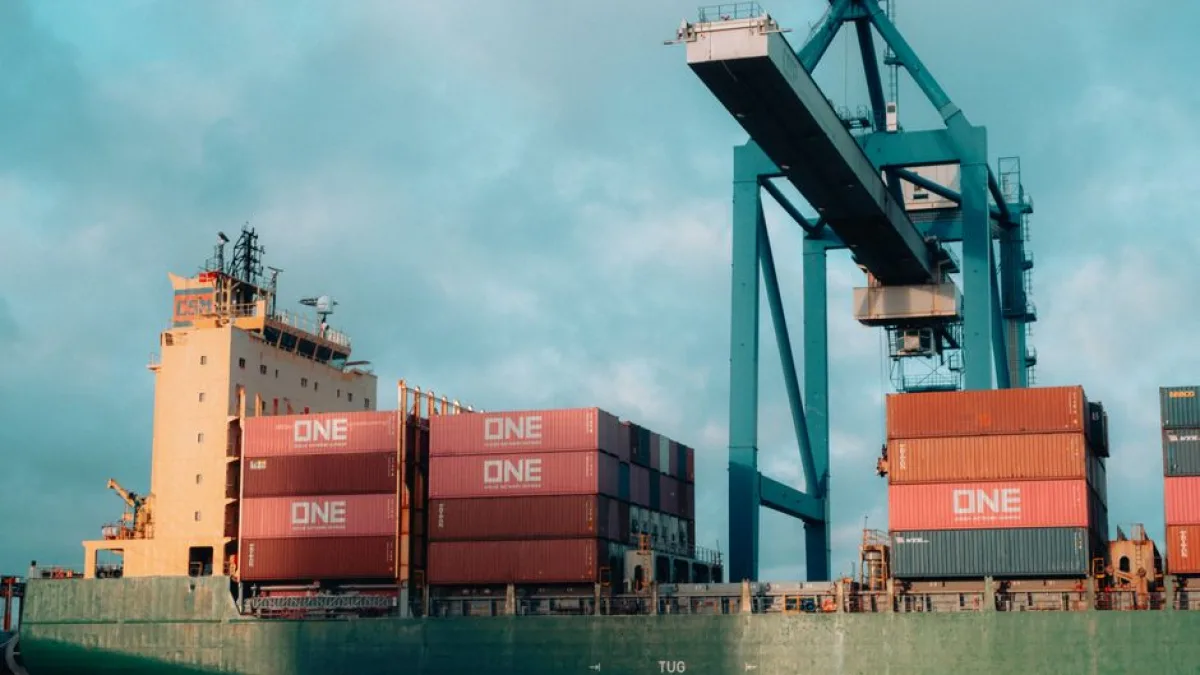
Modern visibility tools transform how forwarders monitor movement by providing live updates directly from global carrier networks. These systems remove the guesswork from tracking, allowing logistics teams to react quickly to deviations while keeping stakeholders informed about every specific movement throughout the transit journey.
- Automated status updates: Reduce manual data entry tasks by syncing your platform with carrier APIs to receive automatic notifications regarding container milestones and vessel arrival times without constant emails.
- Predictive delay warnings: Access predictive analytics that identify potential port congestion or severe weather events, enabling your team to suggest alternative routes before significant delays impact the shipment.
- Direct client portals: Provide your customers with a secure, branded portal where they can view shipment progress, download documents, and check status updates without calling your staff.
- Centralized data management: Store every piece of shipping documentation alongside tracking events in one secure cloud environment to ensure your entire team remains aligned on every file.
- Carrier performance tracking: Monitor the reliability of your shipping lines by analyzing historical tracking data to ensure you only select partners who meet your service level requirements.
By leveraging real-time visibility, freight forwarders minimize the friction typically associated with manual coordination. This shift not only improves internal productivity but also elevates the professional standard offered to your clients. Moving from reactive problem solving to proactive management allows your business to scale operations effectively. Investing in transparent tracking technology ensures you remain a reliable partner in an increasingly volatile global shipping landscape today.
Enhancing Digital Supply Chain Accuracy

Digital accuracy is the foundation of efficient logistics management. Relying on inconsistent spreadsheets leads to errors, while a unified cloud platform ensures that every stakeholder accesses the same reliable information, effectively preventing costly misunderstandings during the critical international transit process.
- Automated data validation: Use built-in system checks to verify shipment details against carrier information, reducing the likelihood of manual input errors that often delay final cargo clearance.
- Unified cloud records: Ensure every team member accesses identical data by centralizing shipping logs, bill of lading details, and arrival notices within one accessible, secure digital environment.
- Real-time inventory insights: Track warehouse stock levels in conjunction with inbound shipping statuses to help your customers manage their inventory flows and supply chain demands efficiently.
- Digital audit trails: Maintain a complete history of every change made to a shipment file to ensure compliance with international shipping regulations and internal quality standards.
- Instant document sharing: Eliminate the need for physical paperwork by allowing digital upload and sharing of customs forms directly through your tracking platform with verified partners.
Maintaining high levels of data accuracy directly translates into faster turnaround times and improved relationships with customs authorities. When every participant in the supply chain shares the same source of truth, communication breakdowns become rare occurrences. Implementing these robust digital processes safeguards your reputation as a forwarder who prioritizes precision, reliability, and excellence in every aspect of the logistical movement phase.
Proactive Exception Management

Effective exception management involves preparing for the unexpected before issues escalate. By monitoring key performance indicators and leveraging live tracking data, logistics teams can proactively address disruptions, ensuring that cargo reaches its destination while keeping clients fully informed during stressful transit complications.
- Automated alert triggers: Configure personalized alerts to notify your operations team immediately if a vessel misses a connection or if a shipment deviates from the planned route.
- Root cause analysis: Utilize reporting tools to investigate why specific delays occur, enabling you to optimize future shipping patterns and avoid recurring logistical bottlenecks and challenges.
- Collaborative issue resolution: Communicate instantly with vendors, carriers, and warehouse staff through the platform to resolve delivery issues without relying on scattered, disconnected email threads for updates.
- Dynamic route adjustments: Analyze tracking data to determine if switching transport modes is necessary to meet urgent customer deadlines when primary shipping lanes face unexpected closure.
- Crisis communication templates: Use pre-defined messaging templates to send professional, calm updates to clients when unforeseen exceptions arise, protecting your business reputation during transit difficulties.
Proactive management distinguishes top-tier forwarders from the competition. By treating exceptions as manageable events rather than catastrophic failures, your team maintains control over the entire freight lifecycle. This approach reduces client frustration and demonstrates the value of your logistical expertise. Clients appreciate forwarders who take charge of difficult situations and provide clear, actionable solutions when shipping plans inevitably encounter external obstacles.
Scaling Efficiency Through Automation

Scaling a logistics business requires automation to handle increasing cargo volumes without proportional staffing increases. By automating repetitive tracking and reporting tasks, forwarders can focus on high-value business development, ensuring that administrative tasks do not become a bottleneck for growth or operational success.
- Automated report scheduling: Deliver weekly status updates and tracking summaries to clients automatically by scheduling digital reports to be sent directly from your freight forwarding platform.
- Workflow trigger automation: Create rules that trigger specific actions based on tracking milestones, such as automatically generating invoices when a vessel reaches the destination port terminal.
- Streamlined partner integration: Connect your platform with trucking companies and local agents to automate milestone reporting across the entire inland delivery leg of the shipment.
- Task automation queues: Use intelligent software queues to manage high volumes of inquiries, ensuring that no request from a customer regarding their cargo goes unanswered.
- Resource optimization tools: Analyze your automated workflows to identify which processes consume the most time, allowing you to refine your operations for maximum long-term efficiency.
Automation serves as the backbone for sustainable growth in the freight forwarding industry. As cargo volumes fluctuate, your software systems should handle the heavy lifting of data processing and notification distribution. This allows your team to dedicate more effort to strategic decision making and maintaining strong client relationships. embracing technology today prepares your freight forwarding company for the demands of tomorrow.
Conclusion

Mastering shipping and tracking is essential for modern freight forwarders aiming for growth. By implementing cloud-based tools, prioritizing data accuracy, and adopting proactive management strategies, you can improve operational performance significantly. MakeCargo provides the infrastructure to achieve these goals, turning complex logistics into streamlined processes. Start optimizing your operations today to deliver superior service and stay ahead of the competitive curve in global trade.