Why a Professional Customer Portal is Essential for Freight Forwarders
Friday, August 7 2026

Modern supply chains demand unprecedented speed and visibility, placing immense pressure on freight forwarders to deliver real-time data to their clients. Relying on manual updates or endless email chains is no longer a viable strategy for maintaining a competitive edge in today's digital landscape. By implementing a dedicated customer portal, logistics providers can automate routine information sharing and enhance trust through transparency. This technological shift allows your team to move away from administrative bottlenecks and focus on high-value logistics strategy. Ultimately, investing in a robust portal infrastructure serves as a foundational step toward long-term operational success and superior client satisfaction.
Real-Time Shipment Visibility
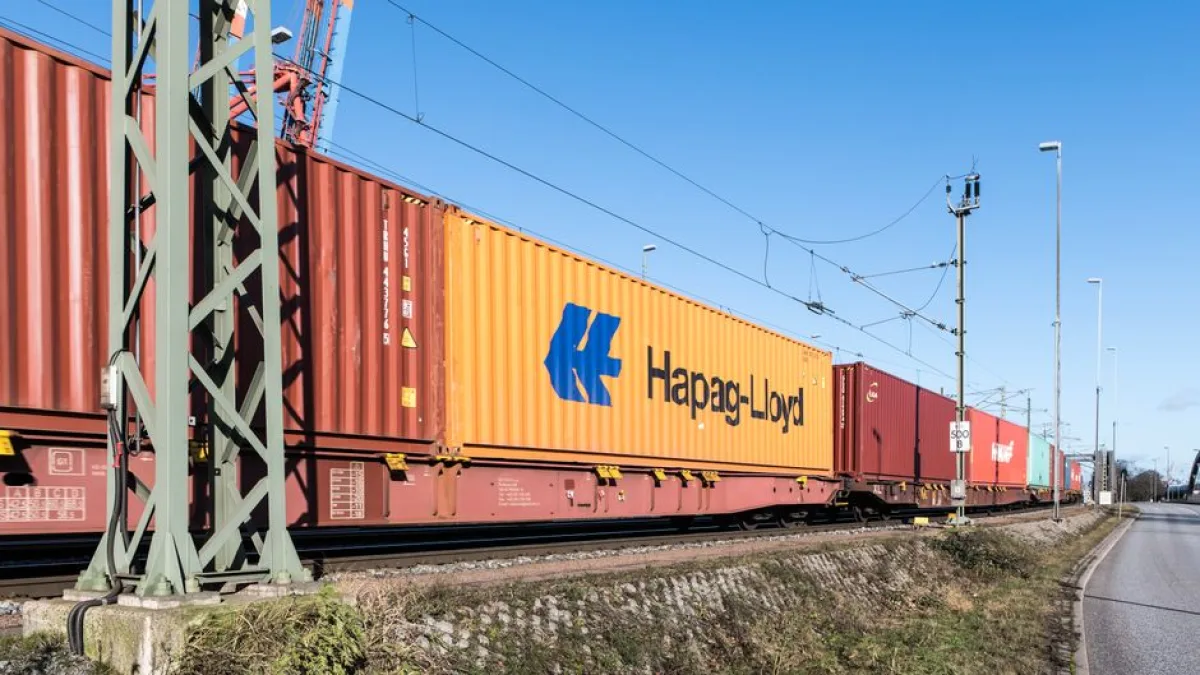
Digital dashboards offer instant access to live shipment statuses, effectively reducing the need for constant phone inquiries. When clients see exactly where their freight sits in the global supply chain, their trust in your brand grows exponentially over time.
- Automated status updates: The system pushes notification alerts automatically whenever a milestone is reached so that your clients never have to ask about the current location of their goods.
- Live tracking map: Integration with vessel tracking APIs allows customers to visualize the movement of their cargo across oceans directly on a clean and interactive digital interface.
- Document management hub: All essential shipping documents like bills of lading and commercial invoices remain safely stored within the portal for easy download by the authorized account holders.
- Proactive delay alerts: When disruptions occur due to weather or port congestion, the portal notifies stakeholders immediately to ensure they remain informed of potential schedule changes without delay.
By empowering your clients with a self-service portal, you eliminate the constant ping-pong of status update emails. Your operational staff can then devote their valuable time to complex problem solving instead of basic status reporting. This reduction in manual touchpoints not only minimizes human error but also helps you scale your operations effectively without needing to add extra administrative headcount every quarter.
Seamless Documentation Access

Centralizing paperwork within a secure digital portal ensures that critical information is never lost in overflowing email inboxes. Giving clients self-service access to historical records improves efficiency and maintains high standards of organization for all parties involved in shipping.
- Centralized storage repository: Every shipping document is indexed and stored in a secure cloud environment that allows for instant retrieval whenever a client requires a copy for auditing.
- Version control accuracy: The portal keeps track of document versions to ensure that only the most recent and approved files are visible to your logistics customers today.
- Searchable digital archives: Advanced filtering tools help users find past shipments or specific paperwork by date, container number, or client reference ID in only a few seconds.
- Secure permission levels: Administrators can set specific access rights for different stakeholders to ensure that sensitive financial data is only viewable by the designated company personnel.
Efficient document management reduces the risk of compliance issues and speeds up the entire billing cycle for your company. When customers can find their own records, your finance team spends less time responding to request tickets. This level of autonomy makes your company a preferred partner for large shippers who value organization, speed, and strict adherence to modern data security protocols.
Enhanced Client Collaboration

Building a stronger relationship with your clients requires a dedicated space for communication and planning. A portal serves as a professional collaborative environment where both parties can align on project goals, shipment requirements, and long-term logistics strategies effortlessly.
- Unified messaging threads: Centralized chat functions ensure that every conversation regarding a specific shipment stays neatly organized so that no important instructions get missed during transit.
- Shared project boards: Visual planning tools allow forwarders and shippers to map out future logistics cycles and anticipate capacity needs well before the peak shipping season begins.
- Direct feedback loops: Integrated survey tools enable clients to rate their experience after each shipment to help your team maintain high service levels across the board.
- Task assignment features: Both forwarders and shippers can assign clear action items within the portal to keep stakeholders accountable for specific steps in the shipping process.
Effective collaboration turns your company from a simple service provider into a strategic partner. When clients feel that their voice is heard through an integrated communication platform, their loyalty increases significantly. By fostering this open digital dialogue, you create a feedback-driven culture that prioritizes improvement and long-term partnership growth rather than transactional interactions that often characterize low-value freight forwarding relationships today.
Streamlined Operational Efficiency

A cloud-based portal automates repetitive tasks that usually consume hours of your team time each week. By integrating this software into your daily workflow, you unlock higher output levels and ensure that your resources are used for high-impact growth initiatives.
- Reduced support overhead: Automation handles the majority of standard requests so your team can focus on managing complex exceptions that require human expertise and deep industry knowledge.
- Integrated payment modules: Secure gateways allow your customers to view and pay invoices directly through the portal to speed up your cash flow and collections process.
- Customizable reporting tools: Clients can generate their own performance reports to analyze freight costs and delivery times without needing to request manual data exports from staff.
- Scalable system architecture: Cloud software grows with your business to ensure that adding new users or high volumes of shipments never compromises the speed of data.
Optimizing your internal processes through a customer portal creates a scalable foundation for your freight forwarding business. As your volume grows, the system maintains consistent output without requiring manual intervention for every transaction. This operational efficiency is the key to maintaining healthy profit margins in a highly competitive market where speed and reliability determine which forwarders succeed in the long run.
Conclusion
Adopting a comprehensive customer portal is a vital step for any freight forwarder seeking to modernize their operations and improve client satisfaction. By offering transparency, security, and efficiency through a single platform, you position your business as a leader in the digital logistics era. Start transforming your client experience today by leveraging MakeCargo to build stronger, more profitable relationships with every shipper you serve across the globe.