Why a Professional Customer Portal is Essential for Freight Forwarders
Friday, October 30 2026

Modern freight forwarding is no longer just about moving goods from one point to another. It is about moving information with speed, accuracy, and transparency. As clients demand higher levels of visibility, forwarders must adapt by implementing robust digital infrastructure. A dedicated customer portal serves as the digital front door to your logistics business, providing clients with the self-service capabilities they crave. By consolidating communication and documentation into a single cloud-based dashboard, you reduce administrative friction, minimize manual status updates, and empower your clients to make informed decisions without constant back-and-forth emails or phone calls.
Boosting Operational Efficiency
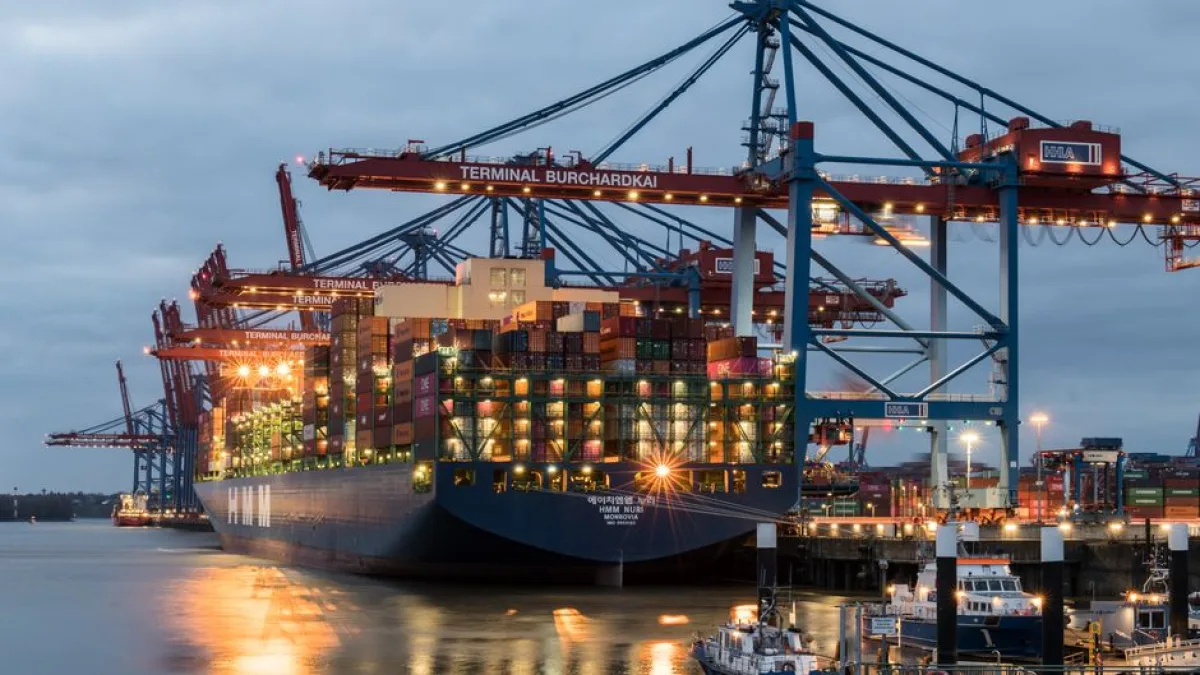
Automating administrative tasks within your portal allows your team to focus on high-value logistics challenges rather than answering repetitive status queries. This shift in operational focus directly leads to better resource allocation and higher profit margins for your company.
- Automated status tracking: Clients receive real-time updates on their shipments directly through the portal, which eliminates the constant need for your team to provide manual status reports via email.
- Centralized document management: Storing invoices, packing lists, and customs documents in one secure cloud location ensures that your clients can access their essential paperwork at any time.
- Digital rate requests: Enabling your customers to submit freight quote requests through a structured form ensures your team receives all the necessary data to provide accurate pricing.
- Streamlined communication logs: Keeping all shipment-specific correspondence within the portal dashboard prevents critical information from getting lost in overflowing personal email inboxes during busy peak shipping seasons.
By shifting your operations toward a digital-first model, you create a scalable environment that can handle increased cargo volume without increasing your headcount. This efficiency gain is the key to maintaining a competitive advantage in a crowded market. When your team spends less time on data entry and manual follow-ups, they become more effective partners to your clients, which fosters long-term business loyalty and professional success.
Enhancing Client Visibility

Visibility acts as the currency of modern logistics because clients prioritize partners who offer full transparency throughout the supply chain. A customer portal provides that clarity by displaying every milestone in real time, making the complex shipping process seem simple and managed.
- Real-time shipment maps: Integrated tracking tools allow customers to see the exact location of their cargo on a map, providing peace of mind and constant visibility for stakeholders.
- Automated milestone alerts: Setting up personalized notifications for specific transit events ensures that your clients remain informed about their cargo progress without requiring any active manual effort.
- Comprehensive shipment history: Providing users with an archive of past and current orders allows them to analyze their own supply chain performance using your own platform data.
- Customizable reporting tools: Allowing clients to download performance reports helps them analyze transit times and shipping costs, which positions you as a data-driven partner in their operations.
Transparency is the foundation of trust in the freight industry. By giving your clients the tools to monitor their goods, you reduce their anxiety during delays and build a stronger professional relationship. When clients feel in control of their cargo movements, they are significantly less likely to switch to competitors, ultimately stabilizing your revenue stream and improving your overall client retention metrics over time.
Reducing Communication Errors

Manual communication methods like email or phone calls are prone to human error and misinterpretation. A portal creates a single version of the truth, ensuring that both you and your customer are looking at the exact same data points simultaneously.
- Unified data entry: Requiring clients to input order details into standardized portal forms reduces the risk of typos, incorrect addresses, or missing information that often occurs in emails.
- Eliminating email chains: Removing fragmented message threads keeps all important updates and attachments in one place, which drastically reduces the chances of missing a crucial update.
- Version control consistency: Ensuring that everyone accesses the same final document version prevents confusion and keeps the entire supply chain team aligned on current shipment requirements.
- Instant confirmation alerts: Providing immediate digital receipts for booking requests gives your clients confirmation that their shipment is being processed, which creates a seamless and professional experience.
Standardizing how information flows into your system is a vital step toward excellence. When communication is structured, the risk of disputes over missing documents or inaccurate instructions drops significantly. This precision not only saves your team time but also protects your reputation as a reliable forwarder. Ultimately, a clean data environment minimizes the expensive errors that can plague manual logistics processes for years.
Strengthening Your Brand Identity
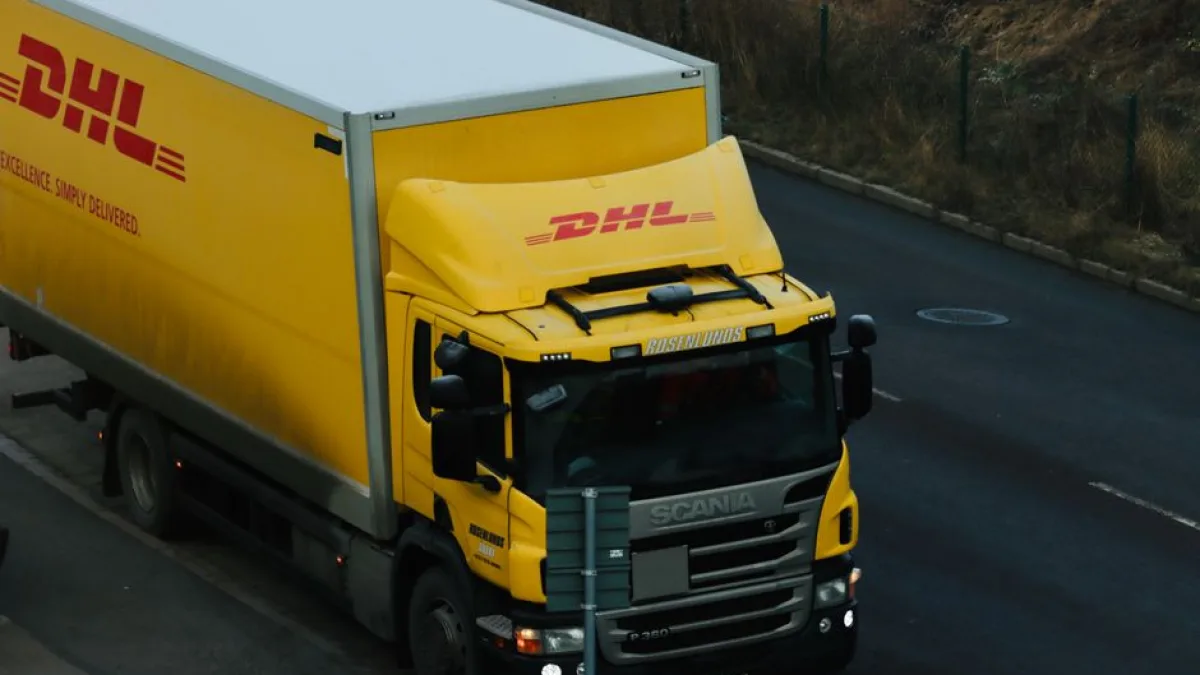
Your digital portal acts as a reflection of your commitment to excellence and innovation. Providing a branded, user-friendly experience signals to your clients that you are a modern logistics partner that invests heavily in their convenience and their future growth.
- Customized portal branding: Applying your company logo and specific brand colors to the interface reinforces your professional identity every time a client logs into the system.
- User experience focus: Building an intuitive and responsive portal interface makes the shipping process enjoyable for your clients, distinguishing your service from outdated or difficult legacy platforms.
- Professional client onboarding: Offering a sleek and efficient digital gateway for new clients sets a positive tone for your business partnership from the very first day.
- Value-added digital services: Providing additional tools like carbon footprint calculators or logistics analytics inside your portal provides extra value that competitors without a portal cannot possibly offer.
A professional portal does more than manage data; it markets your capabilities and positions your firm as an industry leader. By investing in a high-quality interface, you demonstrate that your company values the client experience above all else. This branding effort transforms your logistics service into a premium product that clients are proud to recommend to their partners within the global trade network.
Conclusion

Adopting a customer portal is the most effective way to modernize your freight forwarding business and scale your operations for future growth. By prioritizing transparency, reducing communication errors, and enhancing the overall client experience, you create a sustainable foundation for success. Embrace digital transformation today to ensure that your logistics company remains ahead of the competition and continues to provide exceptional value to your global customers.