Revolutionizing Freight Operations with a Modern Customer Portal
Friday, July 24 2026
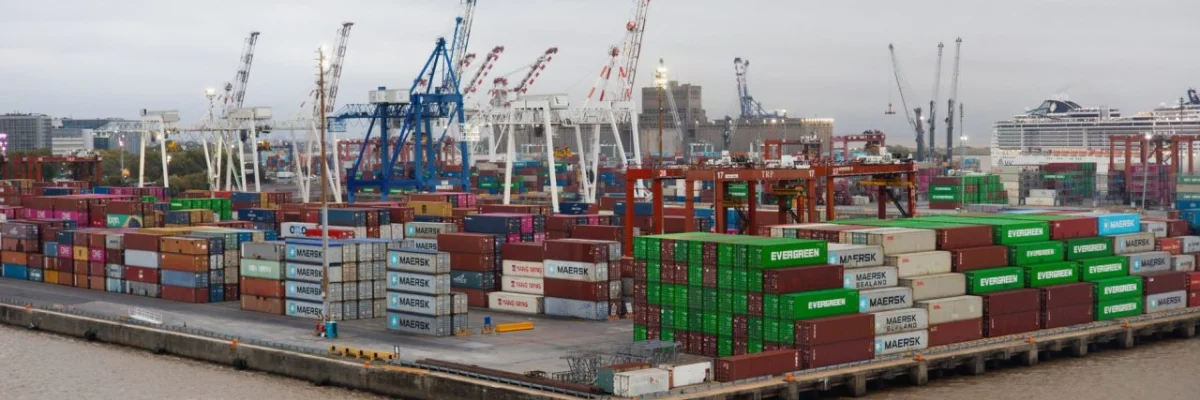
In the fast-paced world of global logistics, freight forwarders are constantly seeking ways to improve communication and operational efficiency. The traditional methods of manual updates via email and telephone are becoming obsolete as clients demand real-time visibility into their supply chains. Implementing a dedicated customer portal allows forwarders to centralize documentation, track shipments, and facilitate secure communication all within one digital environment. By embracing this technology, logistics providers can reduce administrative overhead, minimize human errors, and significantly enhance the overall experience for their valued customers, ultimately setting a new standard for service excellence in an increasingly competitive global trade market.
Boosting Operational Efficiency

Modern freight management requires precise control over data flow to ensure that cargo moves without unnecessary delays. By providing clients with a self-service portal, your operations team can reduce the volume of routine status queries that consume precious time during the busy business day.
- Automated status updates: Clients receive instant notifications regarding their shipment milestones, which removes the need for manual check-ins and allows your team to focus on resolving complex logistical exceptions instead.
- Centralized document management: Storing bills of lading, commercial invoices, and packing lists in a secure portal ensures that all stakeholders access the most current versions without searching through emails.
- Simplified booking requests: Providing an intuitive online booking interface enables clients to submit new shipping instructions rapidly, ensuring that every detail is captured accurately before the process begins.
- Integrated financial tools: Clients can view invoices, monitor payment statuses, and download financial statements directly from the platform, which accelerates your cash flow and reduces administrative billing disputes.
Adopting these digital tools transforms how you interact with your clientele on a daily basis. Rather than being stuck in reactive communication loops, your staff becomes proactive problem solvers. This shift in operational focus not only saves significant hours each week but also creates a scalable infrastructure that grows alongside your business, ensuring that high service levels remain consistent as your shipment volumes increase.
Enhancing Transparency and Visibility

Clients today expect absolute clarity regarding the movement of their goods from origin to destination. A robust customer portal provides the visibility they require, effectively turning passive tracking into a dynamic, interactive experience that builds trust and strengthens your professional business relationships.
- Real-time shipment tracking: Providing live GPS data and status updates directly within the portal keeps clients informed about their cargo locations without requiring your direct intervention or manual updates.
- Interactive delivery maps: Displaying visual routes and transit paths allows customers to visualize the logistics journey, providing them with peace of mind regarding the security of their valuable assets.
- Event-based alert system: Configuring personalized triggers ensures that stakeholders are notified immediately if a delay or route change occurs, keeping everyone aligned throughout the entire global shipping process.
- Historical data reporting: Granting access to past shipping reports helps clients analyze their logistics performance over time, encouraging long-term planning and more efficient supply chain decision-making strategies.
Visibility serves as the cornerstone of modern logistics partnerships. When your customers have instant access to tracking data and transit history, the perceived value of your service increases significantly. By removing the mystery from the shipping process, you foster a sense of security and reliability that is essential for retaining clients in the highly volatile freight forwarding industry for many years.
Strengthening Client Communication

Communication is the lifeblood of freight forwarding, yet it is often plagued by fragmented email threads and lost messages. A dedicated portal centralizes all interactions, ensuring that every piece of information is recorded and easily accessible to all authorized team members involved.
- Encrypted messaging channels: Providing a secure environment for discussing sensitive shipment details protects your client data and ensures that conversations remain organized within the relevant project context.
- Task management integration: Linking client messages directly to specific tasks or shipments helps your operations team track inquiries effectively, ensuring that no client request is ever left unanswered.
- Shared file annotations: Enabling comments directly on documents allows for rapid clarification during the booking process, reducing the back and forth that usually slows down document preparation and processing.
- Internal audit trails: Maintaining a comprehensive log of all communications helps resolve disputes quickly by providing clear evidence of instructions given and received throughout the entire freight transaction lifecycle.
Effective communication tools empower your team to maintain a high level of professionalism while managing multiple client accounts simultaneously. By consolidating your dialogue, you ensure that every participant stays informed, reducing the risk of misunderstandings that lead to costly mistakes. This structured approach to communication elevates your brand reputation and positions your firm as a leader in digital customer service standards.
Scaling Your Logistics Business

Growth is the ultimate goal, but it often brings a significant increase in administrative complexity for many forwarders. A scalable customer portal allows you to handle higher transaction volumes without needing to increase your staff size, ensuring your company remains lean and profitable.
- Standardized onboarding processes: Digital forms and automated checklists make it easy for new customers to get started, ensuring that their requirements are captured correctly from their very first shipment.
- Tiered user permissions: Controlling access levels allows your clients to manage their own internal teams, which simplifies user management and security as their organization grows along with yours.
- Custom branding options: Presenting a portal that reflects your unique company identity reinforces your brand presence during every interaction, which helps differentiate your services from generic logistics providers.
- Seamless software integration: Connecting your portal with existing ERP or accounting systems ensures that data flows automatically between platforms, minimizing manual entry and ensuring total accuracy everywhere.
Scaling effectively requires the right balance of human expertise and automated systems. By leveraging a high-quality customer portal, you build a foundation that supports rapid expansion while maintaining the personalized touch your clients expect. This technical edge allows you to pursue new market opportunities with confidence, knowing that your infrastructure is capable of handling the increased complexity and speed of international trade.
Conclusion

Embracing a dedicated customer portal is no longer a luxury but a fundamental necessity for competitive freight forwarders. By prioritizing transparency, efficiency, and clear communication, you significantly elevate the service standards your clients experience daily. Start your digital transformation journey today to ensure your firm remains agile and responsive in the global marketplace, ultimately securing long-term growth and lasting success for your business.