Revolutionizing Logistics with a Modern Freight Forwarder Customer Portal
Tuesday, September 22 2026

In the fast-paced world of global logistics, your ability to communicate effectively with clients serves as your primary competitive advantage. Relying on manual email updates or disconnected spreadsheets often leads to information gaps that frustrate stakeholders and slow down operational workflows. A dedicated freight forwarding customer portal bridges this divide by offering transparency and real-time connectivity. By empowering clients with self-service tools, you transform the shipping experience from a series of scattered inquiries into a streamlined, professional journey. Embracing digital transformation through a centralized hub not only builds lasting trust but also positions your company as a future-ready leader in freight.
Enhanced Visibility and Tracking

Modern supply chains demand instant answers regarding the whereabouts of shipments. Providing clients with a live dashboard allows them to monitor progress without needing to contact your team directly, significantly reducing the administrative burden on your daily operational staff.
- Real time updates: Automated status notifications ensure that your clients receive immediate alerts regarding shipment milestones, helping them plan their downstream warehouse operations with much greater accuracy and confidence.
- Map based tracking: Interactive map interfaces provide a visual representation of transit routes, giving customers a clearer understanding of where their goods are currently located across global networks.
- Milestone visibility: Detailed timelines break down every step of the logistics process, from initial cargo pickup to final delivery, ensuring total clarity for every stakeholder involved in transit.
- Exception management alerts: Proactive notifications warn users about potential transit delays or customs holdups, allowing them to adjust inventory strategies before small issues snowball into major operational problems.
By automating the tracking process, your team can focus on solving complex logistical challenges rather than answering simple status requests. This shift not only increases internal efficiency but also drives higher customer satisfaction scores. When clients feel empowered to access data on their own terms, they view your firm as a strategic partner rather than just another service provider in a crowded market.
Centralized Documentation Management

Managing customs paperwork and shipping documents often creates chaotic email threads that are prone to errors. A secure portal centralizes all essential files, ensuring that authorized parties can retrieve critical documentation whenever they need it during the shipping lifecycle.
- Secure document access: Encrypted folders protect sensitive commercial invoices and packing lists, ensuring that only verified personnel can view or download vital shipping documentation during the import process.
- Version control features: Automated systems maintain a clear history of document changes, which prevents the confusion often caused by multiple iterations of bills of lading or customs declarations.
- Downloadable compliance forms: Ready access to standardized compliance documentation simplifies the audit trail process for your clients, saving them significant time when preparing for complex regulatory reviews or inspections.
- Instant file sharing: Rapid upload capabilities mean that your team and your clients can exchange essential documents in seconds, eliminating the typical latency associated with traditional email attachment exchanges.
Consolidating your documentation strategy into a single source of truth removes the risk of lost files and misplaced instructions. This organized approach minimizes the human error typically associated with manual document handling. Your clients will appreciate the professional presentation of their logistics data, and your team will benefit from a clean, searchable database that remains consistent throughout every unique shipment lifecycle.
Streamlined Communication Channels

Effective communication is the heartbeat of successful freight forwarding. Moving conversations away from cluttered email inboxes into a dedicated portal environment ensures that all inquiries are logged, assigned, and resolved within a structured, trackable, and efficient professional system.
- Integrated messaging systems: Contextual chat features tied directly to specific shipments ensure that every question is answered with full visibility of the cargo details, reducing repetitive back and forth communication.
- Support ticket tracking: Formalized ticketing processes allow your team to prioritize high value client requests, ensuring that no communication falls through the cracks during busy peak shipping seasons.
- Internal note sharing: Private annotation tools allow your staff to document internal details about shipment preferences or specific customer needs, which improves service consistency across your entire team.
- Collaborative feedback loops: Direct feedback modules allow clients to rate their experience, providing your team with actionable insights to improve service standards and strengthen long term client relationships.
Centralizing communication removes the ambiguity that often plagues international shipping arrangements. When every message is documented within a portal, your team maintains a perfect record of client requests and operational changes. This clarity protects your firm from misunderstandings and ensures that every stakeholder remains on the same page, ultimately fostering a culture of transparency that clients will value and return to repeatedly.
Self Service Quoting and Booking
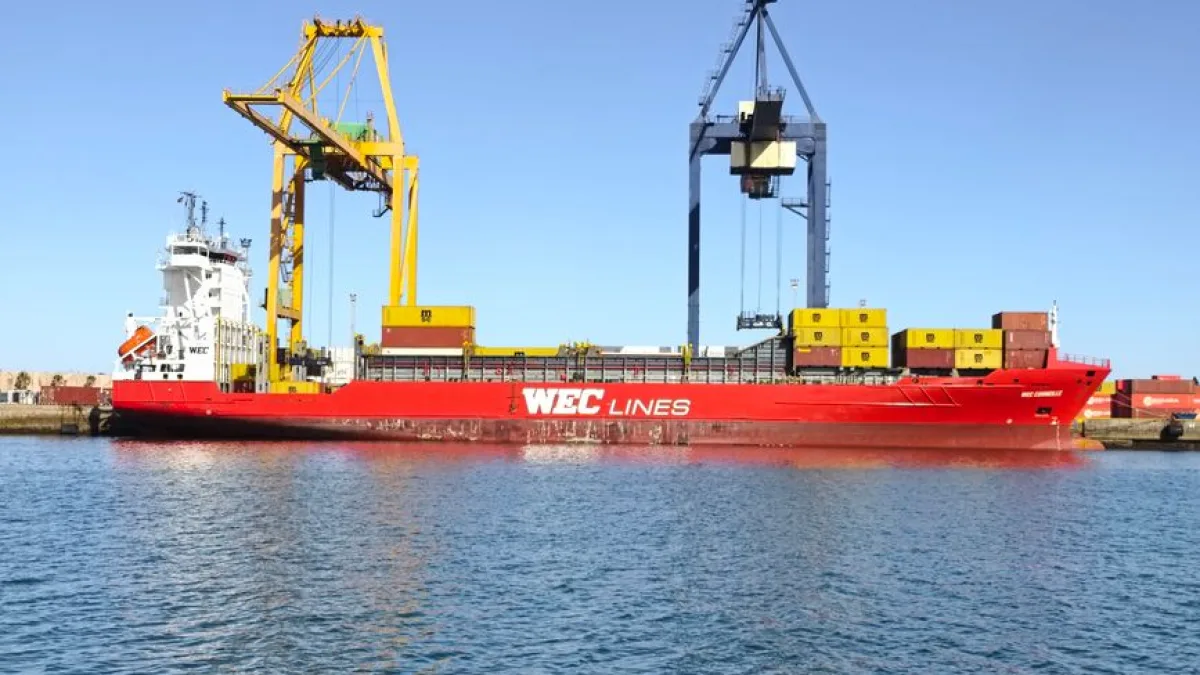
Waiting hours or days for freight quotes can lead to lost business opportunities. A customer portal that integrates instant quoting and booking features allows clients to secure pricing and reserve space immediately, capturing revenue at the precise moment of intent.
- Instant rate calculators: Automated engines generate competitive quotes based on current market rates and client specific pricing agreements, providing instant value without requiring manual intervention from your sales desk.
- Booking request automation: Simple digital forms guide clients through the booking process, ensuring all required shipment details are captured correctly the first time to minimize errors and omissions.
- Past quote history: Users can easily review and convert historical quotes into active bookings, which significantly speeds up the procurement process for frequent shippers who use similar routes.
- Service level selection: Interactive menus allow clients to choose between different transport modes or delivery speeds, giving them full control over their shipping budgets and logistical priorities today.
Giving your clients the power to manage their own quotes and bookings is the ultimate way to scale your operations. This self service capability reduces the time your sales staff spends on manual tasks, allowing them to focus on high value account management. By streamlining the path to purchase, you make it easier for clients to choose your services over slower competitors.
Conclusion
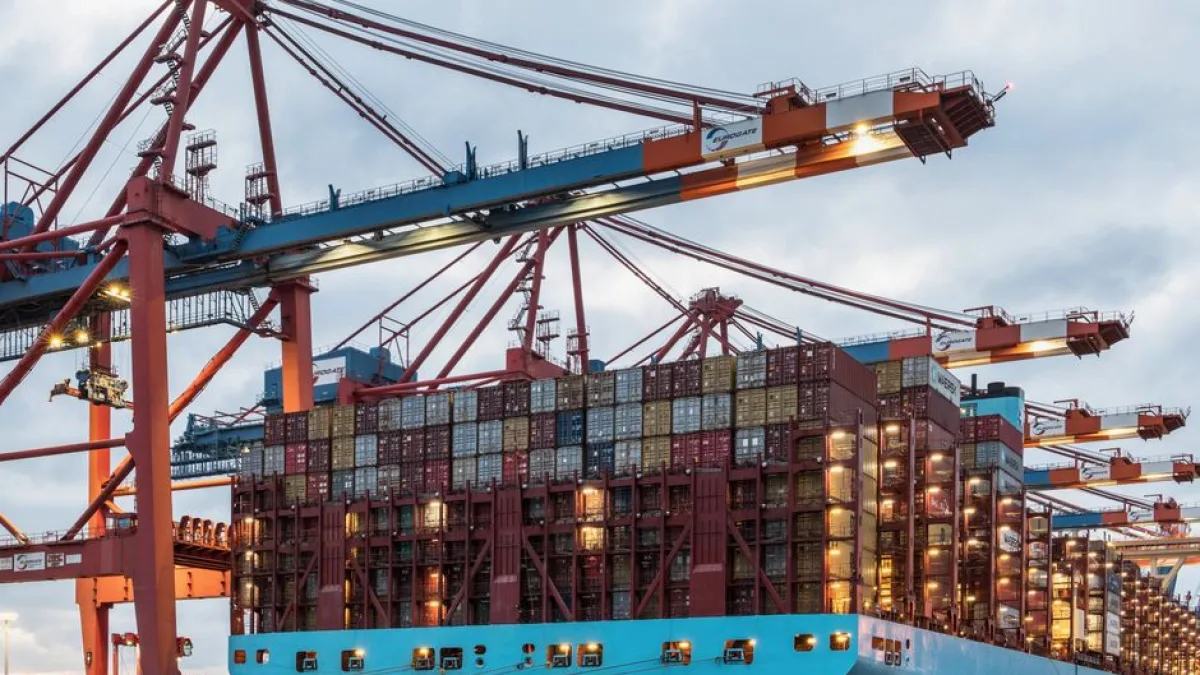
Implementing a comprehensive customer portal is a transformative step for any freight forwarding firm looking to modernize. By enhancing visibility, centralizing documentation, refining communication, and simplifying the booking process, you deliver an exceptional experience that drives long term loyalty. Start your digital transformation journey today to ensure your business remains agile, competitive, and ready to meet the evolving demands of the global supply chain landscape.