Revolutionizing Logistics with Cloud-Based Freight Software
Saturday, October 24 2026

The global logistics landscape is undergoing a massive transformation driven by rapid digitization and the need for seamless supply chain connectivity. Freight forwarders are increasingly moving away from legacy systems that rely on disconnected spreadsheets and manual data entry toward robust cloud-based software platforms. By embracing modern digital tools, forwarders can enhance their operational agility, provide real-time shipment visibility to clients, and significantly reduce administrative overhead. This evolution in technology is no longer just a competitive advantage but a fundamental necessity for businesses aiming to thrive in an era where speed, accuracy, and transparent communication define success in the complex world of international shipping.
Optimizing Shipment Tracking Visibility
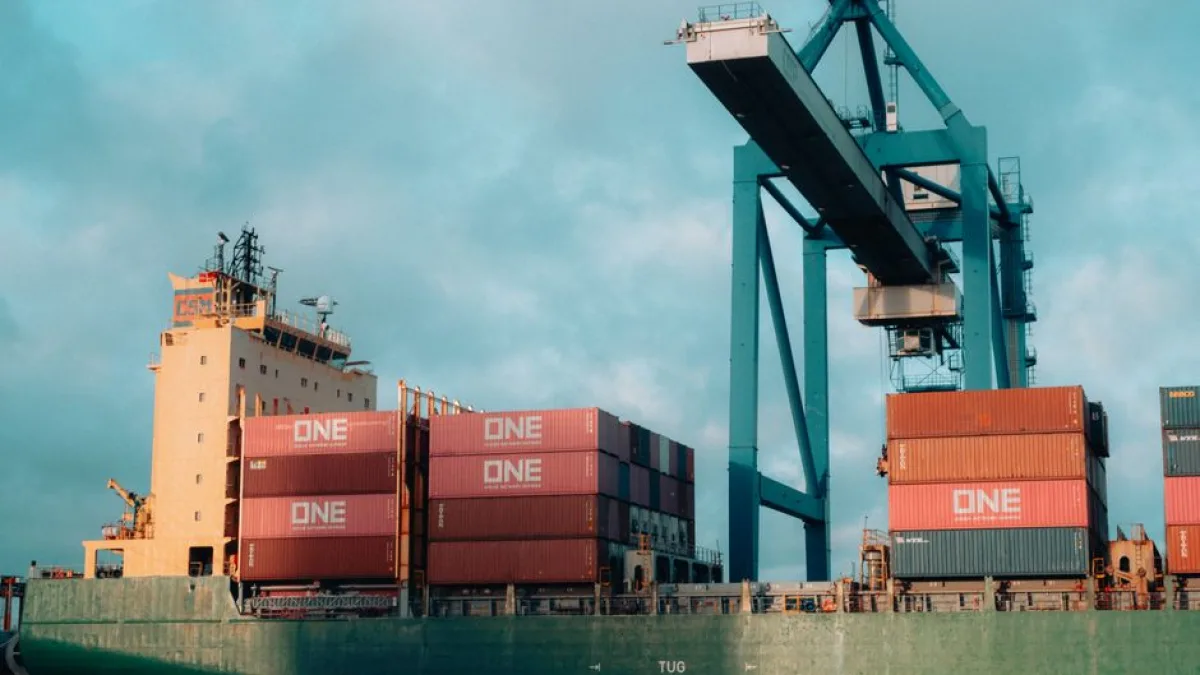
Real-time visibility serves as the backbone of modern freight operations, allowing stakeholders to monitor goods as they move across borders. By integrating advanced tracking systems into your core platform, you eliminate guesswork and provide clients with accurate, live updates on their cargo status.
- Automated status updates: Keep clients informed with triggered alerts that notify them of location changes or delays without the need for manual check-ins via email or phone calls.
- Centralized data access: Consolidate tracking information from multiple carriers and agents into a single dashboard that provides a unified view of your entire supply chain pipeline.
- Proactive exception management: Detect potential disruptions early by utilizing predictive analytics, allowing your team to re-route shipments before they become costly problems for your valued customers.
- Enhanced customer portal: Offer a branded digital interface where shippers can track their own cargo, fostering trust and reducing the volume of status inquiries your team handles.
Transitioning to a transparent tracking model helps forwarders build long-term relationships with clients who demand accountability. When customers can see exactly where their freight is located at any given moment, their satisfaction levels rise significantly. This level of service differentiates your brand in a crowded market while empowering your operations staff to focus on solving complex logistical challenges rather than answering basic status emails.
Enhancing Operational Workflow Efficiency

Digital workflow automation removes repetitive tasks from the daily schedule of your operations team. By leveraging software that syncs data across departments, you can drastically reduce human error and ensure that every document is processed with consistent and high precision.
- Simplified document management: Store bills of lading, invoices, and customs documentation in a secure cloud repository where they are easily retrievable by authorized staff members globally.
- Automated billing processes: Generate professional invoices quickly by pulling data directly from shipment files, ensuring accurate accounting and faster payment cycles for your business operations.
- Integration with customs: Connect your software directly to national customs authorities to submit declarations electronically, which minimizes data re-entry and prevents costly paperwork mistakes during clearance.
- Standardized operational tasks: Utilize pre-built templates for common shipping procedures to ensure every shipment follows your company best practices, regardless of which team member handles the file.
Optimizing your internal workflows is the fastest way to increase your handling capacity without increasing headcount. By automating the administrative burden, your team gains the freedom to focus on strategic growth and complex customer service requirements. As your operational processes become smoother, your company can take on more shipment volume while maintaining high service standards, ultimately leading to improved profit margins and scalability.
Strengthening Data Security and Compliance

Protecting sensitive client information and shipment data is critical in an era of increasing cyber threats. A reliable cloud platform provides the encryption and security protocols needed to keep your business safe while ensuring full compliance with international data privacy regulations.
- Advanced data encryption: Protect all information in transit and at rest with industry-standard encryption protocols that prevent unauthorized access to your private company and client records.
- Regular security audits: Rely on cloud software providers that conduct frequent penetration testing and security reviews to stay ahead of vulnerabilities and emerging digital security threats.
- Regulatory compliance tracking: Keep up with complex international trade laws by using software that updates automatically to reflect changing customs requirements and global shipping regulations today.
- Role-based access control: Manage user permissions strictly to ensure that staff members only access the specific information necessary for their jobs, minimizing risks of internal data leaks.
Investing in a secure technological infrastructure is a core component of risk management for modern freight forwarders. Beyond protecting your reputation, compliance with international standards shows your clients that you take their data security seriously. A robust defense system allows your business to operate with peace of mind, knowing that your digital assets remain shielded against bad actors while keeping your operations running smoothly.
Scaling Through Smart Cloud Integrations

Integrating your freight software with third-party tools creates a powerful ecosystem that bridges the gap between accounting, sales, and logistics. This connectivity enables seamless information flow, preventing data silos that often hinder growth and create friction within your organization as you look to scale.
- Seamless accounting sync: Automatically push shipment financials into your preferred accounting software to ensure your balance sheets are always accurate and reflect real-time business performance metrics.
- API connectivity options: Link your logistics platform with external carrier APIs to access instant freight rates, transit times, and space availability directly from your primary management software.
- Dynamic CRM integration: Connect your sales platform to logistics data, allowing your sales team to view shipment history and provide personalized service to existing clients during calls.
- Scalable system architecture: Utilize cloud infrastructure that grows with your business needs, allowing you to add new users, locations, or service lines without performing a complete system migration.
The ability to integrate disparate tools is what separates high-growth forwarders from stagnant competitors. By building an interconnected ecosystem, you provide your staff with the best tools available for every specific business function. As you continue to scale your logistics operations, these integrations will serve as the foundation for sustainable growth, ensuring that your company remains adaptable and highly efficient for years.
Conclusion

Digital transformation through cloud software is the definitive way to secure your future in the freight forwarding industry. By prioritizing visibility, efficiency, security, and integration, you create a resilient foundation for your business. Start leveraging these powerful tools today to enhance your service delivery and gain a competitive edge. Contact our team to learn how MakeCargo can help you achieve operational excellence starting now.