Scaling Freight Operations Through Advanced Technology Integrations
Tuesday, October 6 2026
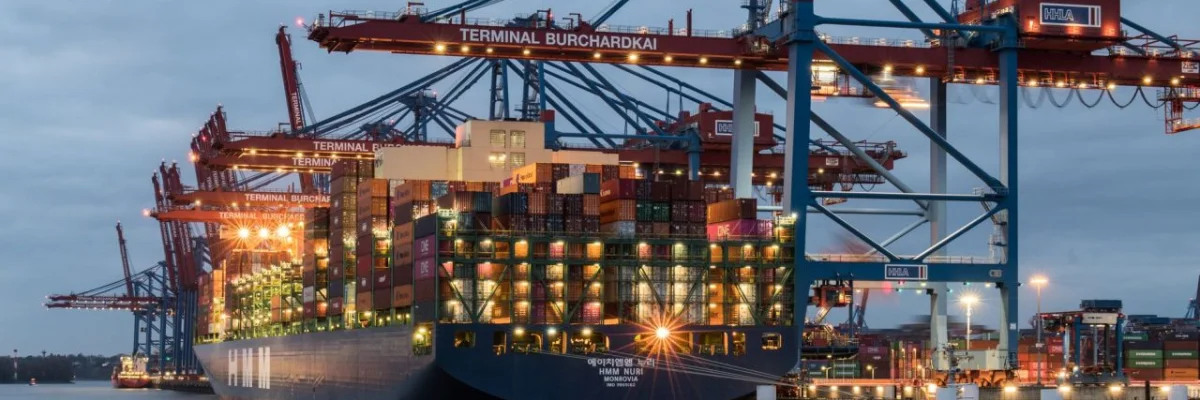
The modern logistics landscape demands unprecedented levels of connectivity and speed to remain competitive in a volatile global market. Freight forwarders often struggle with fragmented systems that prevent real-time data flow, leading to operational bottlenecks and reduced customer satisfaction. By adopting cloud-based platforms and robust software integrations, forwarders can automate manual tasks, eliminate human error, and achieve total visibility across their supply chains. This technological transition is no longer an optional upgrade but a fundamental requirement for companies aiming to scale their operations effectively. Embracing an integrated digital ecosystem empowers teams to focus on strategic growth rather than repetitive administrative data entry.
Centralizing Data Ecosystems

Unified data systems act as the digital backbone of a freight forwarding firm, gathering information from diverse sources into one accessible platform. This integration ensures that stakeholders maintain a singular, accurate version of truth regarding shipment status, customs documentation, and financial reporting across all departments.
- Data Silo Elimination: Connecting disconnected databases allows teams to access information instantly without manual transfers or searching through multiple legacy systems that slow down daily productivity and communication flows.
- Improved Operational Visibility: Real-time insights into shipment milestones empower forwarders to proactively manage delays while providing clients with accurate status updates that build long-term trust and professional credibility.
- Automated Workflow Synchronization: Integrated tools automatically update records across accounting and operations, which reduces the need for human intervention and minimizes costly errors within documentation or billing cycles.
- Scalable Infrastructure Growth: Cloud architecture permits companies to add new modules or users rapidly, ensuring that the technology stack grows alongside the business without requiring significant downtime or re-platforming.
Consolidating your software environment reduces the complexity associated with tracking international shipments across various time zones and languages. When your internal systems speak the same language, the resulting transparency transforms your operational efficiency. This shift from reactive troubleshooting to proactive management is what separates market leaders from stagnant competitors in the global logistics space, ultimately driving higher profit margins through increased throughput capacity.
Automating Financial Workflows

Financial integration between your freight software and accounting tools transforms how forwarders handle billing, payments, and revenue recognition. Automating these sensitive processes ensures that every dollar is tracked correctly, reducing the risk of manual miscalculations and shortening the time required to close monthly financial books.
- Automated Invoice Creation: Generate accurate freight invoices instantly based on system data, ensuring that your clients receive precise billing details the moment a shipment reaches its final destination point.
- Seamless Payment Reconciliation: Integration with banking APIs allows for the automatic matching of incoming payments against outstanding invoices, which clears accounts receivable and optimizes your internal cash flow.
- Currency Conversion Accuracy: Modern software handles fluctuating global exchange rates automatically, preventing losses that often occur when staff must perform manual conversions for international shipping fees or charges.
- Reduced Billing Disputes: Providing clients with automated, error-free documentation lowers the frequency of billing inquiries, allowing your finance team to dedicate time to more complex strategic financial planning.
Efficiency in finance is critical for maintaining healthy profit margins in a low-margin industry. By removing the friction associated with manual invoicing and payment processing, your firm can significantly improve its cash conversion cycle. These automated workflows not only provide greater accuracy but also foster better relationships with clients who appreciate receiving clear, timely, and correct financial statements without any unexpected delays or errors.
Optimizing Carrier Communication

Digital integrations with carriers bridge the gap between forwarders and transportation providers, replacing slow manual updates with instant API connections. This connectivity ensures that schedule changes or capacity updates are pushed directly into your platform, keeping operations teams fully informed and ready to adjust logistics strategies as required by changing circumstances.
- Instant Status Updates: Receive real-time container tracking data directly from carrier systems, eliminating the need for email inquiries or phone calls while improving overall responsiveness to any shipping disruptions.
- Direct Booking Capabilities: Integrate your software with carrier booking portals to secure space faster, ensuring your customers get the most reliable shipping options available in the market today.
- Dynamic Schedule Monitoring: Automatically sync vessel departure and arrival schedules to detect potential delays early, giving your team the time required to propose alternative routing solutions to customers.
- Carrier Performance Tracking: Analyze integrated data to rank carriers by reliability and cost, which helps your team make data-driven decisions when selecting the best partners for specific shipping lanes.
Optimizing carrier communication through technology creates a more resilient supply chain that can better withstand unforeseen global disruptions. When data flows seamlessly between parties, forwarders gain the agility needed to pivot quickly when schedules shift. This deep level of digital collaboration ensures that your clients remain satisfied, even when external factors create logistical challenges, because you are consistently providing reliable information and solutions.
Enhancing Customer Transparency

Providing clients with a transparent view into their logistics operations is the ultimate competitive advantage for modern freight forwarders. Self-service portals powered by deep integrations allow customers to track their own shipments, download necessary paperwork, and review invoices on their own time, which drastically reduces the support burden on your internal account management teams.
- Client Self-Service Portal: Empower your customers to access their shipment history, tracking numbers, and digital documents through a branded portal that is updated automatically via your core software platform.
- Customizable Automated Alerts: Configure proactive email notifications that trigger during key shipment milestones, keeping your customers informed without requiring your staff to send out manual status reports.
- Document Management Access: Allow clients to view or download Bills of Lading, commercial invoices, and packing lists instantly, saving your team from repetitive administrative tasks related to file sharing.
- Real-Time Analytics Dashboards: Give large-volume clients access to high-level reports concerning their logistics spending and shipping efficiency, which demonstrates the value you provide as a strategic supply chain partner.
Transparent communication is the cornerstone of client retention in the logistics industry. By moving away from manual status updates, you enable your customers to have full control and visibility, which significantly increases their satisfaction levels. This technology-driven approach turns the traditional freight forwarding experience into a premium service, positioning your firm as an innovative and reliable partner that delivers value far beyond standard shipping.
Conclusion

Integrating technology into your freight forwarding workflow is a strategic necessity for sustainable growth. By centralizing data, automating financials, optimizing carrier links, and prioritizing client transparency, you can overcome common industry challenges and scale effectively. MakeCargo provides the cloud-based infrastructure required to build this connected future, helping you streamline operations and improve profitability. Start your digital transformation journey today to ensure long-term operational success.