Scaling Logistics Operations with Cloud Freight Forwarding Technology
Sunday, September 27 2026

The global logistics landscape is shifting rapidly as digital transformation becomes the primary differentiator for successful freight forwarders. Moving away from legacy systems and manual spreadsheets is no longer a luxury but a necessity for companies aiming to maintain competitive margins and operational excellence. Cloud-based platforms provide the agility required to handle complex international supply chains by unifying communication, documentation, and tracking into a single, accessible interface. As forwarders navigate volatile markets, adopting scalable technology becomes the cornerstone of sustainable growth, enabling teams to prioritize high-value strategic decision making over repetitive administrative tasks in a modern, interconnected digital workspace.
Automating Workflow Efficiencies

Modern automation tools allow logistics professionals to streamline repetitive tasks and eliminate human error from daily documentation flows. By digitizing manual data entry, teams reclaim thousands of hours, allowing them to focus on client relationships and complex exception management instead.
- Automated Invoice Processing: Smart systems capture data from scanned documents and invoices automatically, ensuring accurate billing cycles while significantly reducing the time spent on manual data verification and administrative entry.
- Digital Document Management: Centralized cloud storage enables instant access to bills of lading and customs forms, allowing global teams to collaborate on files without the delays caused by physical paper.
- Real Time Notifications: Automated alerts provide immediate updates regarding shipment status changes, ensuring that both internal staff and external customers receive accurate information without requiring manual status inquiry requests.
- Customized Workflow Triggers: Users can configure software to trigger specific operational steps based on shipment milestones, ensuring that tasks are assigned promptly to the correct team members every time.
- Standardized Data Entry: Validation rules prevent common input mistakes during the booking process, which protects your organization against downstream errors that could lead to customs delays or financial penalties.
Implementing these automated workflows transforms how your business interacts with data. By shifting from reactive data handling to proactive system management, you provide your staff with the tools they need to operate at peak performance levels. This transition reduces overhead costs and boosts throughput, ensuring your operations remain lean even during seasonal spikes or unexpected surges in global shipping volumes and port activity.
Enhancing Real Time Visibility
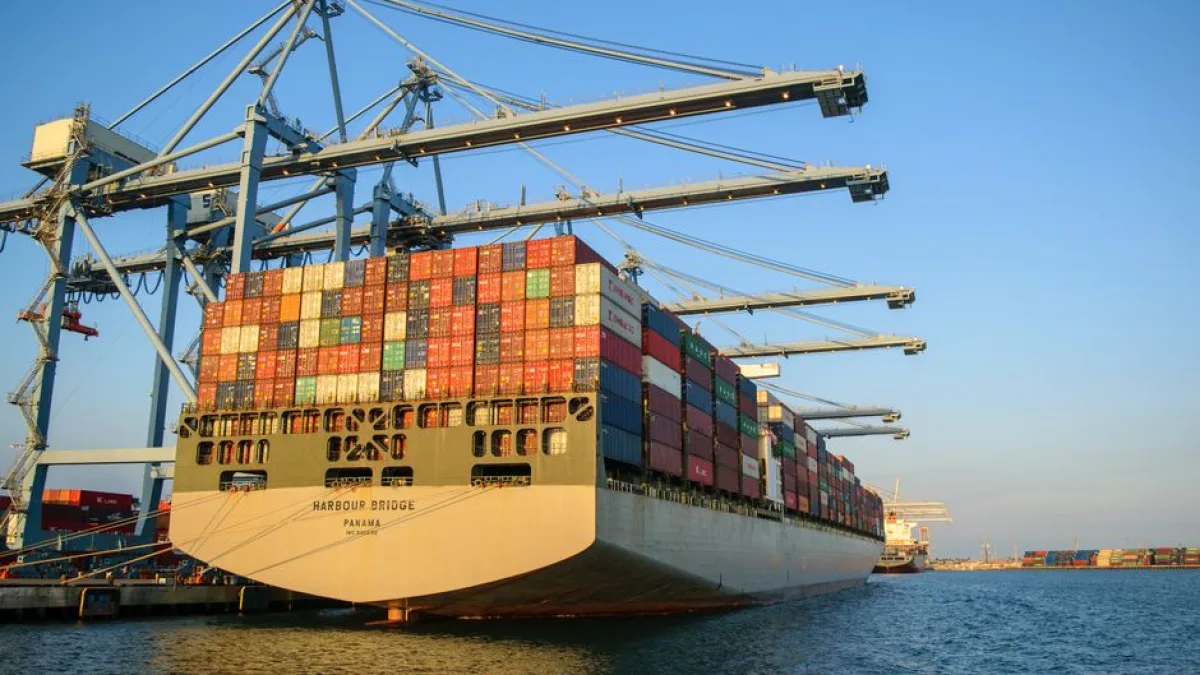
Visibility is the gold standard in modern freight forwarding, providing clients with the granular tracking data they demand. Connecting your platform to global carrier networks ensures that live status updates are always at your fingertips for every single shipment.
- Unified Tracking Dashboards: Aggregating data from multiple shipping lines into a single pane of glass allows your team to monitor all active shipments without switching between various carrier portals.
- Predictive Arrival Forecasting: Advanced algorithms analyze transit data and port congestion trends to provide more accurate arrival estimates, helping your clients manage their inventory and warehouse planning effectively.
- Customer Self Service Portals: Providing clients with secure login access allows them to track their cargo and download documents independently, which drastically reduces the volume of status inquiries for your staff.
- Exception Management Alerts: Instant notifications highlight delays or issues as they happen, enabling your operations team to troubleshoot problems before they impact the final delivery schedule for customers.
- Interactive Map Integration: Visualizing vessel paths on dynamic maps makes it easier to communicate complex routing scenarios to stakeholders who require a clear understanding of their cargo location.
Transparency builds long-term trust with your client base and strengthens your market position as a reliable partner. By delivering precise, real-time data, you empower your customers to make informed business decisions that improve their own supply chain efficiency. This superior level of visibility becomes a powerful sales tool, helping you win more contracts and retain high-value accounts in a crowded market.
Optimizing Financial Performance

Freight forwarders often struggle with fragmented billing processes that lead to revenue leakage. Integrating financial modules directly into your software platform ensures that every shipment cost is captured, reconciled, and invoiced with absolute precision and professional transparency.
- Integrated Billing Cycles: Automatically generate invoices based on confirmed shipment data to ensure that billing is fast, accurate, and completely aligned with the services actually performed for your clients.
- Cost Tracking Modules: Record all vendor charges against specific shipments, allowing your finance team to review profit margins on a per-job basis and identify areas for cost optimization.
- Multi Currency Support: Handling international payments is simplified through automated currency conversion tools that account for current exchange rates, preventing potential losses due to manual conversion errors.
- Streamlined Accounts Reconciliation: Digital matching of vendor invoices against internal booking records removes the complexity of end-of-month reconciliations and ensures that your financial reporting remains clean and compliant.
- Real Time Profitability Reports: Dashboards display live margins across different lanes or client accounts, giving your management team the visibility needed to adjust pricing strategies based on current market.
Strengthening your financial controls is essential for maintaining the health of your freight forwarding business. When billing is automated and accurate, your cash flow improves significantly, and your finance department gains more time to focus on strategic growth. This level of technical sophistication prevents costly discrepancies and builds lasting confidence with your partners, creating a stable foundation for scaling operations across international borders.
Scaling Through API Integration

Connectivity is the bridge that links your internal operations to the wider world of global trade. Using robust API integrations allows your platform to talk to customs agencies, accounting software, and carrier systems seamlessly to ensure data flows without interruption.
- Seamless ERP Connection: Synchronizing data between your freight software and existing ERP systems ensures that your entire organization shares a single version of the truth at all times.
- Custom Customs Filing: Direct integrations with government customs platforms allow for the electronic submission of declarations, which speeds up clearance times and reduces the risk of document errors.
- Carrier API Connectivity: Automated data exchanges with shipping lines allow for instant booking confirmations and schedule updates, eliminating the need for email correspondence and manual data re-entry tasks.
- Third Party App Ecosystems: Connect with specialized logistics tools such as warehouse management or insurance platforms to create a tailored technology suite that fits your specific unique operational requirements.
- Future Proof Development: Designing your architecture with open APIs ensures that you can adapt to new industry standards and integrate emerging technologies as they become relevant to logistics.
Adopting an open integration strategy ensures that your platform grows alongside your business requirements. By removing the silos that often separate critical logistics functions, you create a responsive ecosystem that can adapt to changing industry regulations and new client demands. This modular approach allows you to scale your technology footprint effortlessly, keeping your operations ahead of the curve as the industry evolves.
Conclusion

Investing in the right cloud-based technology is the most effective way to drive long-term value for your freight forwarding firm. By automating workflows, enhancing visibility, managing finances, and prioritizing connectivity, you position your organization for consistent growth. Start evaluating your current software stack today to identify gaps where modern integration can help you save time, reduce costs, and deliver superior service to your global clients.