Scaling Logistics Operations with Modern Freight Forwarding Technology
Saturday, September 19 2026
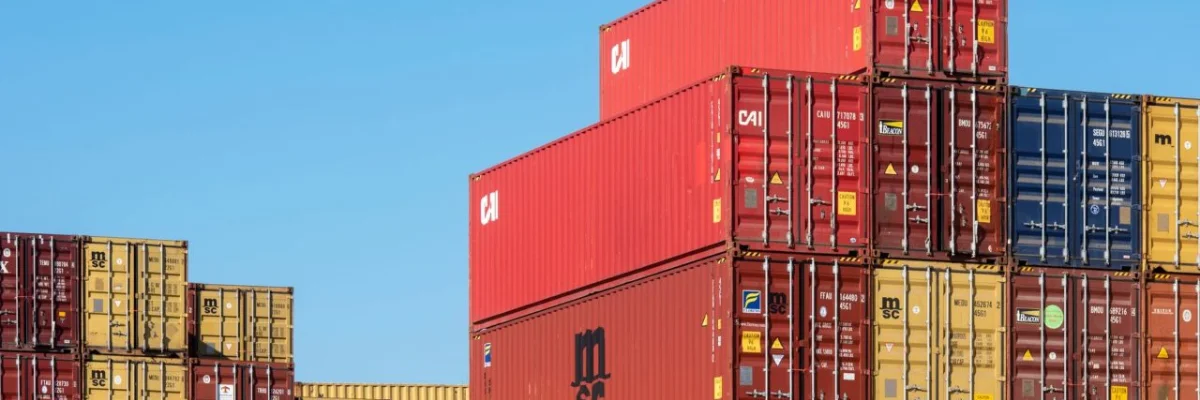
The global logistics landscape is undergoing a massive transformation driven by rapid technological advancement and increasing demands for supply chain visibility. For modern freight forwarders, the ability to integrate disparate systems is no longer a luxury but a fundamental necessity for survival. Relying on manual data entry and fragmented communication channels limits operational capacity and invites human error. By adopting cloud-based platforms, companies can automate critical workflows and gain real-time insights into their freight movements. This article explores how technology and strategic integrations provide the competitive edge required to scale operations and deliver exceptional value to clients in a demanding, fast-paced shipping environment.
The Power of Cloud Integration

Modern cloud systems act as a central nervous system for your logistics business, enabling seamless connectivity between internal teams and external stakeholders. By syncing data across departments, you ensure that every participant operates from a single, accurate source of truth.
- Seamless Data Syncing: Automated synchronization between your platform and carrier portals eliminates the need for manual data updates and significantly reduces the potential for costly administrative errors during document processing.
- Enhanced Team Collaboration: Cloud connectivity allows remote teams to access shipment statuses in real time, ensuring that sales and operations departments remain perfectly aligned on all project milestones.
- Scalable Infrastructure Growth: Adopting a cloud architecture means your software capacity grows alongside your business, providing the flexible resources needed to handle sudden spikes in international cargo shipping volume.
- Improved Customer Experience: Real-time data accessibility allows you to provide instant updates to your clients, which builds long-term trust and strengthens your professional reputation in a crowded market.
Transitioning to a cloud-based infrastructure empowers forwarders to break free from local server constraints. By enabling information to flow freely between departments and global partners, your team can focus on solving complex logistical challenges rather than managing software updates. This strategic shift not only increases internal productivity but also positions your company as a reliable leader capable of managing high-volume global trade shipments with ease.
Automating Manual Documentation

Manual document processing is a significant bottleneck that drains time and resources from your staff. Automating the creation, storage, and sharing of bills of lading and invoices allows your team to redirect their efforts toward higher-value growth initiatives.
- Reduced Processing Time: Automating routine documentation tasks allows your operations team to generate critical shipping paperwork in seconds, drastically reducing the time spent on manual input and verification.
- Standardized Document Templates: Utilizing pre-built digital templates ensures that every document remains compliant with international trade regulations, minimizing the risk of customs delays for your valued clients.
- Secure Cloud Archiving: Digital storage solutions provide an organized and searchable repository for all historical shipping records, making audits and retrieval processes fast and entirely stress-free.
- Eliminating Human Error: Automation tools pull data directly from your system to populate fields, ensuring that critical information like weights and dimensions remains consistent throughout the journey.
By digitizing your documentation pipeline, you transform how your agency handles routine paperwork. The removal of manual typing prevents data mismatches that lead to customs holds and client frustration. Instead, your staff can focus on proactive communication and problem solving, which are vital components of excellent service. Investing in these automation tools today creates a more resilient foundation for your future operational expansion.
Real-time Supply Chain Visibility

Achieving total transparency across the supply chain is essential for modern freight management. Modern software integrations allow you to monitor vessel progress, port arrivals, and truck deliveries through a unified, easy-to-use digital dashboard that captures everything accurately.
- Live Tracking Updates: Direct integrations with global tracking services provide automated status notifications that keep you and your clients informed about every shipment in the active pipeline.
- Early Risk Identification: Real-time tracking alerts notify you of potential disruptions early, allowing you to suggest alternative routes before significant delays impact your client shipping schedules.
- Integrated Carrier APIs: Connecting directly to carrier APIs allows for faster data retrieval than traditional tracking methods, providing an unmatched level of accuracy for all global movements.
- Proactive Exception Management: Intelligent alerts help your team address shipment exceptions as they happen, ensuring that minor issues do not snowball into massive logistical failures for users.
Visibility serves as the backbone of high-quality freight forwarding. When you can monitor the exact location of cargo, you gain the ability to offer proactive solutions to your customers. This transparency transforms the shipping experience from a guessing game into a predictable and reliable service. Adopting these integration technologies ensures your business remains the go-to partner for clients requiring high-level supply chain control.
Strategic API Connectivity

APIs serve as the essential bridge between your software and the broader logistics ecosystem. By leveraging strategic connections, your platform gains access to a vast network of customs brokers, insurance providers, and local last-mile delivery fleets for efficiency.
- Custom Integration Capabilities: Custom API development allows your software to communicate directly with client ERP systems, creating a fully automated flow of shipping instructions and delivery confirmations.
- Extended Service Ecosystem: Connecting with third-party providers expands your service offering without needing to build new infrastructure, enabling you to offer insurance and brokerage through one interface.
- Improved Data Accuracy: Removing manual data transfers between different software platforms ensures that information stays clean, consistent, and ready for advanced analysis or reporting tasks.
- Future-Proofing Business Models: Flexible API architecture allows you to plug in new technologies as they emerge, ensuring that your software stack remains relevant in an evolving market.
Strategic connectivity is the ultimate driver of long-term scalability. By utilizing robust APIs, you create a digital environment where your software can adapt to new demands from clients and partners alike. This flexibility is what separates stagnant agencies from growing, innovative ones. Focus on building an integrated ecosystem that works for you, allowing you to concentrate on growing your business revenue and reach.
Conclusion

Implementing advanced technology and strategic integrations is critical for freight forwarders aiming to scale. By embracing automation, cloud connectivity, and real-time visibility, you replace manual processes with efficient, data-driven workflows that delight clients. Now is the time to audit your current software stack and look for integration opportunities. Making these upgrades today ensures your company stays ahead of the competition in the global market.