The Future of Freight: Why API Integrations Define Modern Logistics
Wednesday, October 28 2026
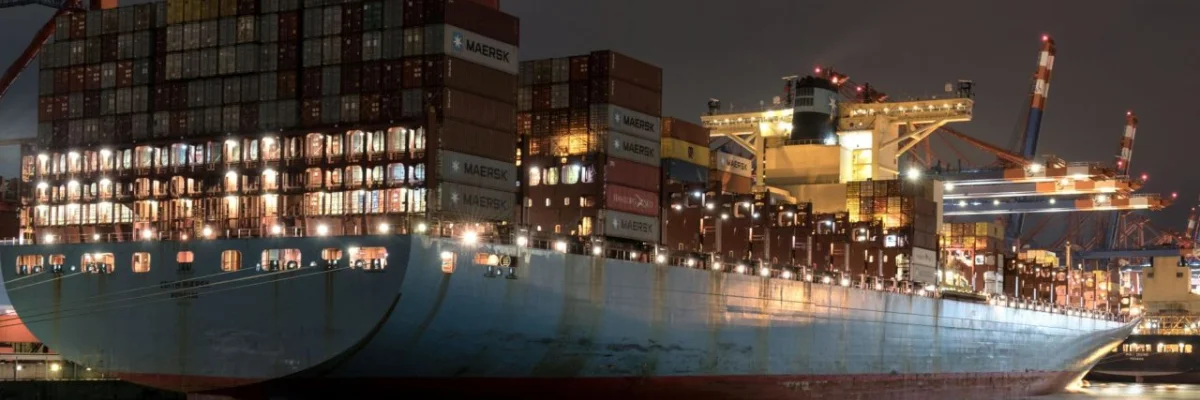
In the rapidly evolving landscape of global logistics, traditional manual data entry is no longer a viable strategy for competitive freight forwarders. As supply chain complexities grow, the need for seamless connectivity becomes critical to maintain operational visibility and service speed. Cloud-based platforms are now the backbone of successful firms, enabling real-time data flow between systems. By embracing advanced technology and robust API integrations, logistics professionals can eliminate silos, reduce human error, and provide clients with the transparency they demand. Staying ahead requires a digital mindset that prioritizes automated workflows and interconnected ecosystems across every stage of the shipping lifecycle.
Unified Data Ecosystems

Creating a centralized hub for all logistics data allows teams to visualize shipments across the entire globe from a single dashboard. This approach eliminates the fragmented processes that often lead to communication delays and costly errors in international freight operations.
- Improved data accuracy: Automated data synchronization eliminates the need for manual inputs, ensuring that every stakeholder receives precise information regarding shipment status, customs documentation, and inventory levels in real-time.
- Reduced processing times: By removing the friction of manual spreadsheet updates, staff members can focus on high-value client communication and complex troubleshooting rather than administrative data maintenance tasks.
- Enhanced system connectivity: Modern APIs allow your existing software tools to communicate fluidly, creating an integrated environment where information flows automatically between carriers, warehouses, and your digital freight platform.
- Streamlined document management: Digitized workflows enable instant access to essential bills of lading, commercial invoices, and packing lists, significantly decreasing the time spent retrieving files during busy customs inspections.
Transitioning toward a unified digital ecosystem is not merely a technical upgrade but a foundational shift in how your firm competes for international business. As your operations scale, having a single source of truth ensures that every team member makes decisions based on the most accurate data available, which fosters better client trust and operational resilience in a volatile global trade market today.
Real-Time Visibility Solutions

Visibility is the new currency of logistics success in our interconnected world. Clients no longer accept vague status updates, preferring immediate access to precise location tracking and predicted arrival times throughout the entire journey of their high-value cargo shipments.
- Instant shipment tracking: Providing customers with automated tracking updates directly through their preferred portals increases transparency and reduces the volume of manual inquiries reaching your dedicated customer service staff.
- Proactive issue resolution: Predictive analytics tools alert teams to potential delays before they occur, allowing for rapid rerouting or communication adjustments that keep the supply chain moving smoothly and efficiently.
- Live carrier integrations: Connecting directly with shipping lines and air carriers provides your team with live updates, ensuring that you always possess the latest information regarding vessel movements.
- Client portal access: Offering a self-service portal for your clients builds loyalty and provides them with immediate answers, saving your team valuable hours otherwise spent on routine phone calls.
Real-time visibility acts as a powerful differentiator for forwarders aiming to capture a larger market share. By offering clear insights into cargo locations, you empower your customers to plan their own inventory and production schedules with greater confidence. This transparency creates a standard of service that is hard for competitors to ignore, eventually leading to increased customer retention and growth.
Automated Customs Compliance

Navigating the complex maze of international trade regulations requires speed and precision that manual documentation simply cannot match. Automated systems streamline compliance by validating data against ever-changing global trade rules, significantly lowering the risk of expensive fines or detention.
- Automated error detection: Intelligent software scans every document for inconsistencies or missing data fields, alerting users to potential compliance failures before the shipment reaches the border patrol agents.
- Regulatory database updates: Systems automatically incorporate the latest tariff codes and trade laws, keeping your operations fully compliant without requiring manual updates from your busy internal staff members.
- Digital filing systems: Electronic submissions to customs authorities drastically shorten the clearance window, moving freight through ports faster and reducing the likelihood of storage fees at critical junctures.
- Audit ready reporting: Digital trails ensure that all shipping history is archived securely and indexed properly, making internal and external audits a seamless experience for your accounting team.
Investing in automated compliance tools is the best way to safeguard your freight forwarding business against the risks of global trade. By removing human error from the filing process, you ensure that every shipment moves through customs checkpoints without unnecessary friction. This reliability is vital for maintaining long-term partnerships with clients who depend on you for consistent and compliant cargo handling.
Scalable Infrastructure Growth

Building a scalable foundation is the key to expanding your freight operations without experiencing growing pains. Cloud platforms provide the flexibility to add new branches, users, or services as your business demands, ensuring your technology always matches your growth.
- Flexible cloud architecture: Subscription-based models allow you to adjust your resource usage based on actual demand, preventing the need for massive upfront investments in server hardware or maintenance.
- Remote team collaboration: Cloud access enables your staff to work efficiently from any location, fostering a culture of mobility that attracts top talent while keeping operations running smoothly.
- Rapid feature deployment: Cloud providers release continuous software updates and new features automatically, ensuring your team has access to the latest logistics tools without expensive manual installations.
- Advanced data security: Robust encryption and frequent backups protect your proprietary company data and client information, providing peace of mind in an era of increasing digital security threats.
Scalability ensures your technology remains an asset rather than a bottleneck as your business evolves over time. By leveraging the power of cloud-based freight solutions, you create a robust environment capable of supporting your future goals and expansion plans. Focusing on these modular systems allows you to stay focused on shipping freight while your digital infrastructure manages the complexities of modern connectivity.
Conclusion
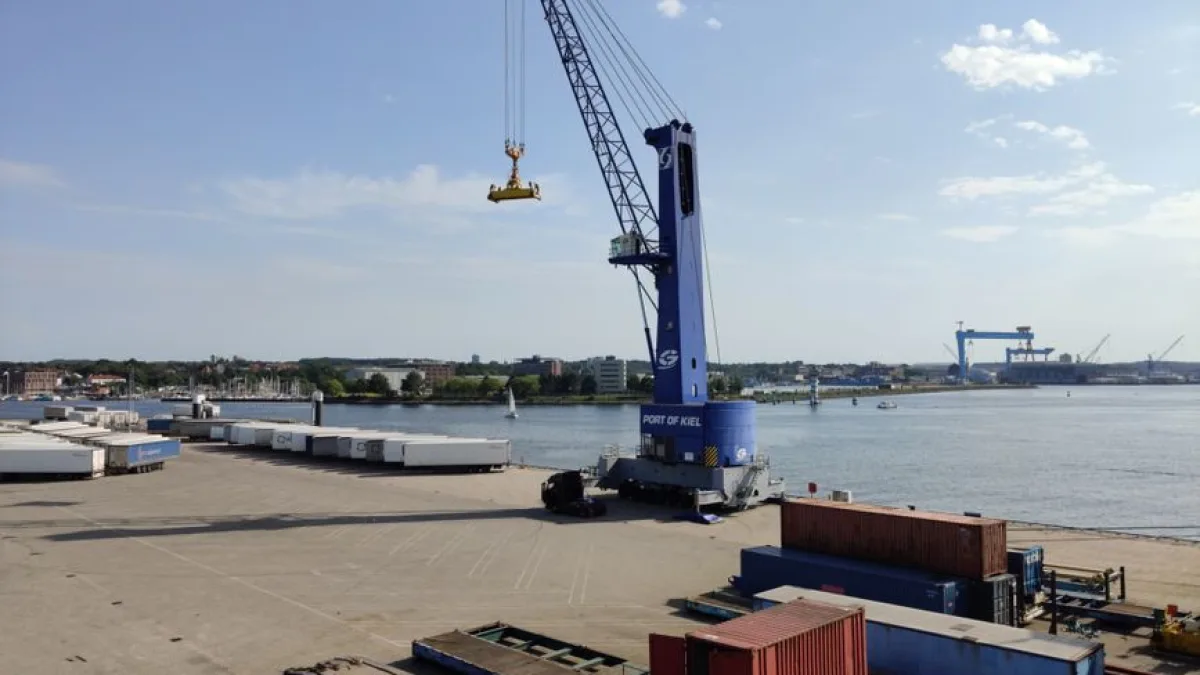
Adopting advanced freight forwarding software is essential for firms that want to remain relevant in a tech-driven global market. By integrating systems, automating compliance, and providing live visibility, you empower your team to achieve greater efficiency and provide superior service. Start modernizing your operations today to build a future-proof foundation that scales alongside your business and exceeds every client expectation.