Transform Your Logistics Operations With a Modern Customer Portal
Tuesday, August 18 2026
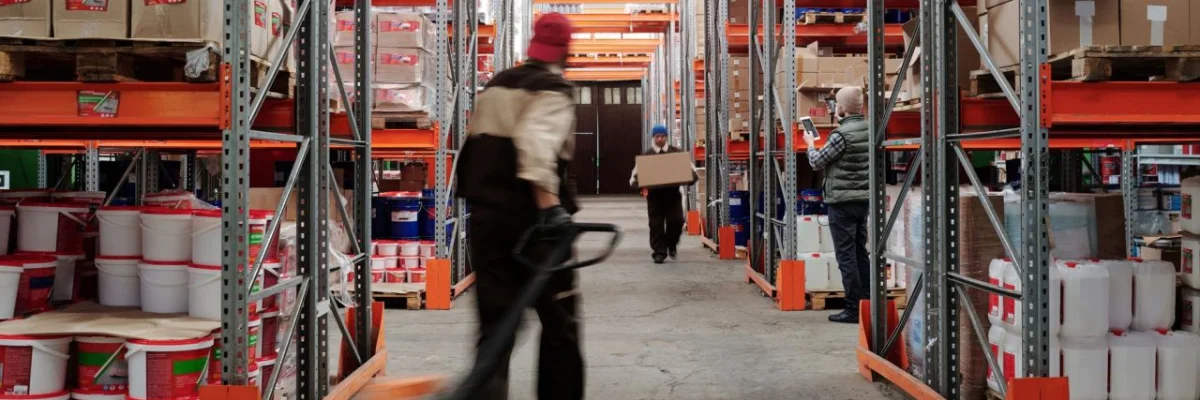
In the modern landscape of global trade, freight forwarders face increasing pressure to deliver transparency and speed. Relying on manual updates and endless email chains is no longer sufficient to maintain competitive advantages. A cloud-based customer portal serves as the digital heartbeat of your logistics business, bridging the gap between complex operational data and client expectations. By centralizing communication, document management, and real-time shipment tracking, you empower your clients with self-service capabilities that drive loyalty. Implementing this technology is not just about keeping up with industry trends, but actively reclaiming your team's time to focus on high-value logistics challenges.
Boosting Operational Efficiency

A dedicated portal transforms how your operations team handles daily requests. By automating routine inquiries and status updates, your staff can transition from manual data entry to strategic oversight, significantly reducing the likelihood of human error in your daily processing tasks.
- Automated status updates: Real-time notifications eliminate the need for manual check-ins, allowing your customers to view shipment progress directly through the dashboard without waiting for an email response from agents.
- Centralized document management: Storing all invoices, bills of lading, and custom forms in a single location ensures that documentation is always accessible, organized, and secure for every stakeholder.
- Self-service inquiry resolution: Enabling clients to resolve common questions through a knowledge base or integrated messaging system reduces the high volume of incoming support requests for your team.
- Streamlined data entry: Integrated forms ensure that data flows directly from the client into your system, reducing the time spent retyping information and improving overall accuracy of shipment records.
- Customizable reporting tools: Clients can generate their own performance reports and shipment analytics, giving them the insights they need while saving your staff from manual data preparation efforts.
By moving away from siloed communication, you establish a more resilient business model that scales effortlessly as your client base grows. Your operations team can now handle a higher volume of shipments with greater ease, because the heavy lifting of information exchange is managed automatically by the portal. This shift results in a leaner, more productive office environment that consistently meets performance targets.
Enhancing Client Satisfaction

Client retention depends on providing a superior experience at every touchpoint. When customers can access their logistics data on their own terms, they feel more in control and better informed about their complex supply chain operations throughout the year.
- Transparent shipment tracking: Providing live maps and milestone updates keeps clients fully informed on the status of their cargo, reducing anxiety and increasing their trust in your service.
- Instant quote requests: Integrated quoting tools allow your customers to request rates quickly, ensuring that you capture new business opportunities without delay or complex back-and-forth communication threads.
- Proactive anomaly alerts: Automated systems notify clients immediately if a shipment encounters a delay, demonstrating professional accountability and allowing them to adjust their planning before major issues arise.
- Personalized user dashboards: Allowing clients to configure their own dashboard view ensures they focus on the specific metrics and shipments that matter most to their unique operations.
- Secure communication channels: Direct messaging within the portal keeps discussions attached to specific shipments, ensuring that context is never lost and critical information remains readily available for review.
Creating a self-service culture builds lasting partnerships that survive market volatility and price fluctuations. When your clients find it easy to work with you, they are far less likely to seek out competitors who offer more difficult or manual processes. Your portal becomes a sticky asset that keeps customers engaged while simultaneously reinforcing your reputation as a modern and reliable logistics provider.
Strengthening Data Security

Protecting sensitive cargo information is a critical responsibility for every freight forwarder. A secure customer portal provides a protected environment for sharing documents and data, ensuring that your company meets the highest standards for modern information security and privacy.
- Role-based access control: Defining specific permissions ensures that each user only sees the data relevant to their role, preventing unauthorized access to sensitive company financial or operational information.
- Encrypted file transfers: Moving away from unsecure email attachments to a portal environment protects your documents from potential interception and keeps your digital workspace free from common vulnerabilities.
- Comprehensive audit logs: Detailed tracking of who accessed which files and when provides you with a clear record of activity, which is essential for compliance and internal security audits.
- Secure identity verification: Implementing multi-factor authentication for all portal users adds an extra layer of defense against unauthorized account access, safeguarding your business and your client data daily.
- Regular security updates: Cloud-based platforms handle the backend security patches and updates, ensuring your infrastructure is always defended against the latest threats without requiring your internal IT team intervention.
Investing in secure technology signals to your clients that you prioritize their business continuity and data protection above all else. This level of professional rigor is a significant differentiator in an industry that is increasingly targeted by cyber threats. By using a secure portal, you protect your company assets while also fostering a climate of trust that is essential for long-term growth.
Driving Business Growth

A customer portal is a powerful tool for scaling your revenue and improving your company valuation. By optimizing your processes and offering high-end digital services, you position your brand as a leader that is prepared for future industry disruptions.
- Scalable service capacity: The automated nature of a digital portal allows you to manage significantly more shipments without the immediate need to hire more administrative or support staff.
- Competitive market differentiation: Providing a state of the art digital interface helps your business win new accounts against traditional freight forwarders who still rely heavily on phone calls.
- Data-driven strategic decisions: Analyzing the usage patterns within your portal helps you identify which services your clients value most, allowing you to refine your product offerings for maximum profit.
- Enhanced brand reputation: A professional web-based interface reinforces the quality of your logistics services, helping your brand stand out in a crowded market full of outdated legacy systems.
- Improved resource allocation: Automated portal functions allow you to shift your human talent toward high-level account management rather than repetitive tasks, directly increasing your overall team effectiveness and profitability.
Scaling your logistics business is difficult if you are weighed down by outdated manual processes. By automating your service delivery through a modern portal, you free up the bandwidth needed to pursue new markets and larger enterprise clients. This strategic investment provides the foundation for sustainable success, ensuring your business stays profitable and competitive in an ever-evolving global trade landscape for years to come.
Conclusion

Adopting a robust customer portal is the most effective way to modernize your freight forwarding operations and improve client relationships. By centralizing your data, enhancing security, and boosting overall efficiency, you create a scalable platform for long-term growth. Start your transformation today by evaluating how your current processes can be digitized, and provide your customers with the seamless logistics experience they now demand.