Transform Your Logistics Strategy with a Customer Portal
Monday, August 24 2026

In the modern era of global logistics, freight forwarding companies face mounting pressure to deliver instant visibility and seamless communication to their clients. Relying on manual updates and endless email chains is no longer a viable strategy for scaling operations or maintaining client satisfaction. By implementing a dedicated customer portal, forwarders can empower their shippers with self-service tools that streamline information flow. This transition not only reduces the administrative burden on your internal team but also creates a professional digital footprint that fosters trust, increases retention rates, and sets your logistics brand apart in a highly competitive market.
Centralized Document Management

Managing critical shipping documentation requires precision and accessibility to prevent costly delays in the supply chain. A customer portal centralizes all invoices, bills of lading, and customs forms into one secure hub, eliminating the risk of lost physical files or misplaced attachments.
- Automated file storage: Documents are automatically categorized and stored as they are generated, ensuring your clients have instant access to necessary paperwork without waiting for manual email delivery from staff.
- Secure access controls: You can define specific permission levels for different stakeholders, ensuring that sensitive financial or legal data remains protected while still being accessible to the right personnel.
- Version history tracking: Keep a transparent record of all document changes, which helps resolve disputes quickly and provides a clear audit trail for both forwarders and shipping customers.
- Instant document downloads: Shippers can retrieve their critical documents at any time of day, significantly reducing the volume of inbound status requests your customer service department must handle daily.
- Digital signature integration: Enable clients to sign off on shipping documents directly within the interface, speeding up customs clearance processes and reducing the time taken to finalize logistics paperwork.
By moving away from email attachments, you provide a cleaner and more organized workflow for your partners. This centralized approach ensures that everyone operates from the single source of truth, minimizing human error and improving overall compliance. Your team gains time to focus on complex logistical challenges instead of hunting for missing files, ultimately leading to a more efficient and profitable operation for your firm.
Real Time Shipment Tracking
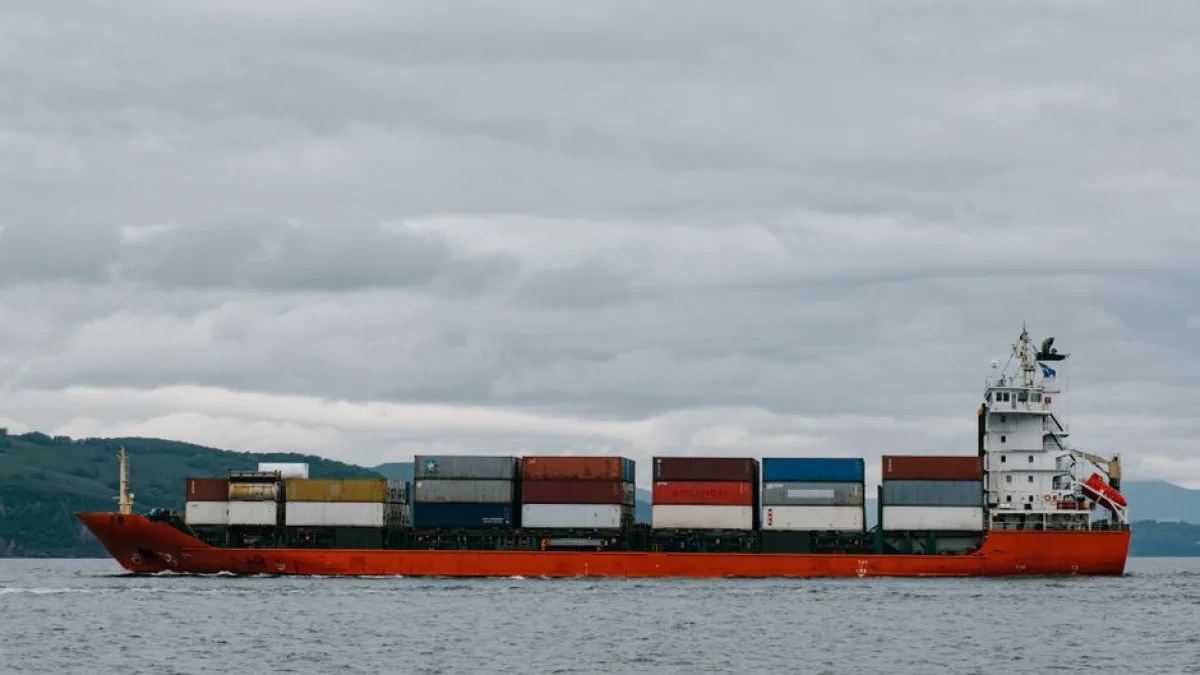
Real time visibility is the most requested feature by modern shippers who need to track their cargo journey across complex multimodal networks. Providing a live dashboard ensures clients receive proactive notifications rather than chasing updates through fragmented communication channels during transit.
- Live GPS mapping: Display the current location of freight on an interactive map, allowing clients to see exactly where their goods are in the global supply chain network.
- Milestone status updates: Automatically trigger status alerts at key transition points, such as port arrivals or customs clearance stages, keeping shippers informed without constant direct intervention needed.
- Proactive exception alerts: Notify clients immediately if any unexpected delays occur, allowing them to adjust their inventory planning and maintain better communication with their own downstream business partners.
- Historical data logging: Provide a full historical view of every shipment phase, which is useful for analyzing transit times and identifying potential bottlenecks in your typical logistics routes.
- Custom notification settings: Allow your clients to choose their preferred level of detail regarding shipment updates, ensuring they only receive the information that matters most to their business.
Transforming your customer service into a transparent operation builds lasting partnerships. When clients can track their own cargo on demand, they feel empowered and in control of their inventory flow. This reduction in status inquiries allows your staff to work more efficiently, handling higher volumes of shipments without needing to increase headcount, which supports sustainable growth for your logistics company.
Seamless Communication Channels

Effective communication is the backbone of logistics, yet traditional methods often lead to information silos and missed messages. A customer portal acts as a dedicated bridge for direct interaction, ensuring that every query is tracked, answered, and stored within the relevant shipment context.
- Contextual chat messaging: Enable clients to ask questions directly on a specific shipment page, which prevents confusion by keeping all correspondence linked to the correct order information.
- Task management integration: Turn client requests into actionable tasks for your operational team, ensuring that no inquiry is ever overlooked or forgotten in a busy email inbox environment.
- Internal team notes: Leave private comments for your colleagues that remain invisible to the client, facilitating smooth internal collaboration to resolve specific logistics issues quickly and efficiently.
- Priority ticket support: Implement a ticketing system within the portal that allows clients to mark urgent issues, ensuring that your team addresses the most critical problems first.
- Centralized conversation history: Access a complete log of all communication between your staff and the client, which provides valuable context for future negotiations and performance reviews with customers.
By replacing scattered email threads with a structured communication platform, you ensure accountability across your entire organization. Your clients will appreciate the professional and organized approach to resolving issues, which translates to higher loyalty and improved service perception. This orderly environment makes scaling your communication easier, allowing you to maintain high standards of support even as your client base expands rapidly.
Data Driven Business Insights

Data is the most valuable asset in modern forwarding, yet many companies struggle to present useful metrics to their clients. A portal allows you to visualize key performance indicators, turning raw logistics data into actionable business intelligence that helps clients optimize their own supply chain strategies.
- Performance analytics dashboard: Provide easy to read charts that summarize shipping volumes, total transit times, and carrier performance, giving clients a high level overview of their logistics operations.
- Custom reporting tools: Empower clients to generate their own reports based on specific time frames or routes, saving your operations team from fulfilling manual data requests every week.
- Spend analysis tools: Display breakdown of shipping costs per lane, allowing your clients to identify cost saving opportunities and better manage their logistics budgets over the long term.
- Exception rate monitoring: Highlight the frequency of delays or damaged goods, helping clients identify recurring issues and make informed decisions about their carrier or routing choices.
- Data export capabilities: Allow users to download logistics data in various formats for further analysis in external business intelligence tools, supporting their internal planning and forecasting processes.
Sharing these insights positions your company as a strategic partner rather than just a service provider. When you provide value beyond simple transport, your clients are much less likely to leave for cheaper, less transparent competitors. This data driven strategy solidifies your reputation as an industry leader, helping you win more high value contracts and grow your freight forwarding business through superior digital service.
Conclusion

Adopting a customer portal is no longer optional for firms that want to remain competitive in today's fast moving freight forwarding market. By centralizing documentation, providing real time visibility, streamlining communication, and offering data analytics, you elevate your client experience to a professional standard. Start integrating these digital tools into your operations today to maximize efficiency, boost client loyalty, and drive future revenue growth for your company.