Transforming Client Experience with a Modern Freight Forwarder Portal
Tuesday, August 4 2026

In the competitive world of logistics, manual updates and fragmented communication channels are rapidly becoming relics of the past. Freight forwarders are shifting toward centralized customer portals to bridge the gap between complex supply chain operations and client visibility requirements. By providing real-time data access, these platforms do more than just track shipments; they build trust through transparency. As clients demand instant updates and self-service capabilities, adopting a robust digital portal is no longer optional for firms aiming to scale. This evolution marks a significant step forward in professionalizing logistics services and driving long-term customer retention across global trade routes.
Automated Real-time Shipment Tracking
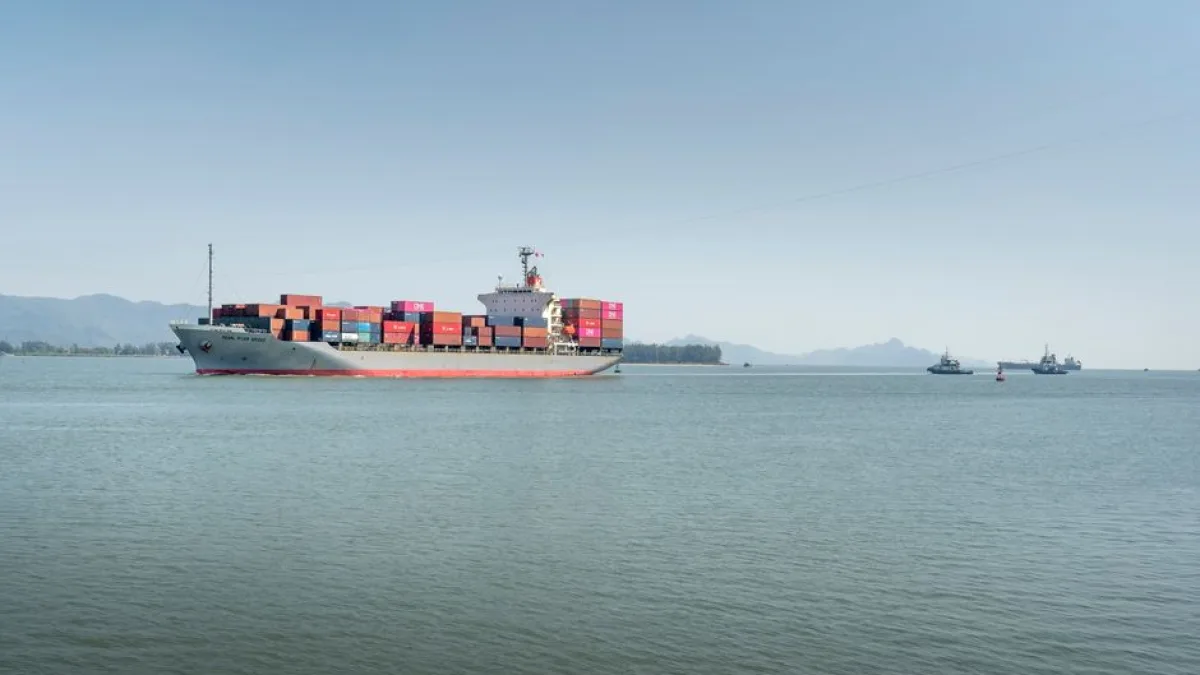
Visibility is the cornerstone of modern logistics, and customers expect instant access to their cargo status. By integrating tracking data directly into a customer portal, forwarders eliminate the need for manual status updates, reducing inquiry volumes and freeing up staff.
- Instant status updates: Real-time integration ensures that every stakeholder sees the exact movement of cargo from the warehouse to the final destination without requiring manual status inquiry emails or phone calls.
- Proactive delay alerts: Automated systems send push notifications regarding schedule shifts or port congestion so clients can adjust their internal operations before minor delays turn into major supply chain disruptions.
- Live location mapping: Integrated GPS and AIS tracking technology allows clients to view their containers on a global map interface, providing them with tangible proof of transit progress and security.
- Historical data logging: Every past shipment remains accessible within the portal, allowing clients to analyze their shipping history and performance metrics over extended periods for better supply chain planning.
- Detailed milestone tracking: Granular updates cover every stage, including customs clearance, drayage progress, and final mile delivery, ensuring clients have complete confidence in the status of their high-value cargo assets.
Digital tracking features significantly reduce the operational burden on your team. When clients access their own information through a secure portal, they feel empowered and informed. This reduction in manual touchpoints allows your employees to focus on solving complex logistical challenges rather than repeating basic status updates. Ultimately, providing instant visibility transforms the way your clients perceive your brand reliability and operational competence.
Streamlined Documentation and Compliance

Managing global trade requires precision in documentation, which is often hindered by inefficient paper trails. A dedicated portal centralizes every invoice, bill of lading, and customs document in one secure location for easier retrieval and long-term compliance storage.
- Document version control: Centralized storage ensures that all parties work from the latest version of critical documents, preventing common errors caused by outdated files or misdirected email attachments.
- Secure document upload: Clients can upload commercial invoices and packing lists directly into the system, ensuring that your team has all necessary paperwork instantly to begin processing customs entries.
- Digital signature integration: Built-in electronic signature tools accelerate the approval process for shipping documents, significantly reducing the time spent chasing clients for physical signatures or manual verification stamps.
- Customs compliance checks: Intelligent systems flag missing or inconsistent information within submitted documents, ensuring that errors are caught early before they result in costly fines or shipment hold ups.
- Organized record keeping: Automated filing structures keep your digital archives tidy and searchable, allowing your team to retrieve any historical record in seconds during audits or insurance claims.
Efficient document management is the backbone of successful freight operations. By digitizing the paperwork flow, you minimize human error and ensure that every shipment remains compliant with international trade regulations. Your customers will value the organized, professional approach to their data. A secure portal not only streamlines internal workflows but also creates a reliable audit trail that protects your business from unnecessary legal risks.
Direct Communication and Collaboration

Moving away from cluttered email threads keeps communication professional and context-rich. A portal allows clients to comment on specific shipments or invoices, ensuring that all correspondence remains tied to the relevant operation for improved transparency and team accountability.
- Context-based chat features: Messaging tools embedded within each shipment file allow for direct communication, meaning all stakeholders can see the context of inquiries without losing information across disparate email chains.
- Shared project boards: Collaborative workspaces allow clients and forwarders to work together on complex logistics projects, ensuring that expectations are clearly defined and milestones are tracked in real time.
- Task management alerts: Automated reminders ensure that both the client and your staff remain aware of pending tasks, reducing the risk of missed deadlines or forgotten document requests.
- Centralized notification hub: A dedicated dashboard gathers all incoming requests and updates in one place, helping your team prioritize urgent client needs without being overwhelmed by inbox clutter.
- User access management: You can control exactly which team members have access to specific communications, ensuring that sensitive data is shared only with the appropriate personnel on both sides.
Centralizing communication bridges the gap between your operations team and the customer. By removing the chaos of endless email chains, you create a cleaner environment for collaboration. This structured approach helps resolve issues faster and keeps both parties aligned on project goals. When communication is integrated directly into the shipment lifecycle, it becomes a permanent asset for your firm that improves future service delivery.
Enhanced Client Reporting Insights

Data is a powerful asset in the logistics sector, and a portal provides the analytics needed to make informed decisions. Clients gain access to performance reports that showcase shipping trends, total costs, and transit times, fostering a data-driven partnership.
- Customizable reporting dashboards: Clients can generate reports based on their unique needs, such as tracking total spend, freight volumes, or transit efficiency across various lanes over the past year.
- Visual trend analysis: Interactive charts and graphs translate raw data into actionable insights, helping clients identify bottlenecks or cost-saving opportunities within their current supply chain and logistics strategy.
- Automated monthly summaries: Scheduled reports deliver consolidated data directly to the client dashboard, keeping them informed about high-level performance without needing to perform manual data extraction or spreadsheet analysis.
- Cost allocation breakdowns: Transparent billing reports allow clients to see exactly where their logistics spend is going, which simplifies accounting processes and encourages more trust in your pricing model.
- KPI tracking modules: Define and track key performance indicators such as on-time delivery percentages, helping both parties work toward shared goals and continuous improvement in service level delivery.
Turning logistics data into clear reports demonstrates your commitment to the long-term success of your clients. When you provide them with visual tools to analyze their supply chain, you position your firm as a strategic partner rather than just a vendor. This added value makes your services indispensable. Using your portal to provide deep insights keeps your clients engaged and loyal year after year.
Conclusion
Investing in a customer portal is the most effective way to modernize your freight forwarding operations and improve client satisfaction. By offering transparency, security, and data-driven insights, you build a foundation for lasting professional partnerships. Start exploring how integrated technology can elevate your service standards today. Implement these digital solutions to simplify your daily tasks, reduce operational friction, and stand out in the global logistics market.