Transforming Client Relationships with a Modern Freight Customer Portal
Thursday, October 22 2026

In the fast-paced world of logistics, manual communication channels like email and phone calls are becoming significant bottlenecks for growing freight forwarders. Clients today demand immediate access to their shipment data, real-time tracking updates, and transparent documentation without needing to contact an agent. By implementing a cloud-based customer portal, logistics providers can centralize all interactions into a single professional interface. This digital transformation reduces administrative overhead, eliminates information silos, and empowers shippers to manage their own operations. Adopting a customer-centric portal is no longer a luxury but a fundamental necessity for companies looking to scale their freight operations efficiently.
Providing Real-Time Shipment Visibility

Digital visibility transforms the client experience by providing instant clarity regarding cargo status. Instead of waiting for manual updates, clients gain a window into every stage of their supply chain journey, fostering greater trust through continuous, accurate data access.
- Enhanced tracking transparency: Customers can monitor their freight from origin to destination using live updates that eliminate the uncertainty often associated with complex international shipping and transit timelines.
- Automated status notifications: The platform triggers immediate alerts for milestone changes, ensuring that stakeholders remain informed about delays or arrivals without requiring manual intervention from your logistics staff.
- Interactive map interfaces: Visual tracking tools offer a geographical perspective on shipment movement, allowing clients to identify potential bottlenecks before they impact their critical delivery schedules and inventory.
- Historical data access: Users can retrieve information regarding past shipments to analyze lead times and service reliability, facilitating better long-term planning for their future international procurement needs.
By shifting from manual status updates to automated visibility, your freight forwarding firm saves countless hours previously spent on repetitive emails. Clients gain a sense of control and confidence in your services because they possess the same information as your operations team. This self-service model positions your company as a modern, technology-driven leader in the competitive logistics landscape while significantly improving your overall customer retention rates.
Streamlining Documentation and Compliance

Centralizing documentation within a secure portal ensures that vital paperwork is always accessible to authorized users. Proper digital document management reduces the risk of lost files and accelerates the customs clearance process through immediate document retrieval.
- Centralized document repository: All bills of lading, commercial invoices, and packing lists are stored in one cloud location, making them easily retrievable for both clients and operations.
- Simplified file sharing: Secure uploading capabilities allow customers to provide necessary shipping paperwork directly to the portal, eliminating insecure email attachments and minimizing the risk of data errors.
- Version control mechanisms: Digital folders maintain the most current versions of critical forms, preventing confusion during the clearance phase and ensuring that compliance standards are consistently met.
- Electronic signature integration: Built-in tools allow clients to sign necessary documents digitally, which drastically speeds up administrative workflows and ensures legal compliance without needing physical paper trails.
Efficient document handling is the backbone of successful freight operations and international trade compliance. A dedicated customer portal allows your clients to upload or download essential files at any hour of the day. This accessibility removes unnecessary friction in your workflow and provides a cleaner, more organized archive for both parties. Your team will appreciate the reduced workload related to documentation management and digital filing.
Optimizing Communication and Support

Effective communication is the cornerstone of professional freight forwarding services. A centralized portal acts as a dedicated hub for all inquiries, ensuring that your team can resolve client issues faster while maintaining a complete history of interactions.
- Unified messaging tools: Direct communication channels within the portal ensure that messages are linked to specific shipment files, keeping all relevant project context in one place.
- Priority support ticketing: Structured request forms allow clients to submit inquiries, which helps your operations team categorize and address urgent issues with the proper attention required.
- Interaction history logging: The platform records all communication logs, creating a transparent audit trail that helps resolve misunderstandings and improves accountability across your entire customer service team.
- Automated team assignment: Intelligent routing ensures that client questions are sent to the correct representative immediately, significantly reducing response times and improving the quality of your support.
Streamlined communication allows your staff to stop chasing emails and start focusing on solving complex logistics problems. A portal ensures that no request is overlooked, boosting your team productivity while simultaneously delivering a superior experience for your clients. By professionalizing your support infrastructure, you build a foundation for long-term loyalty and create a reputation for reliability that will attract new global shipping partners.
Empowering Clients with Analytical Insights
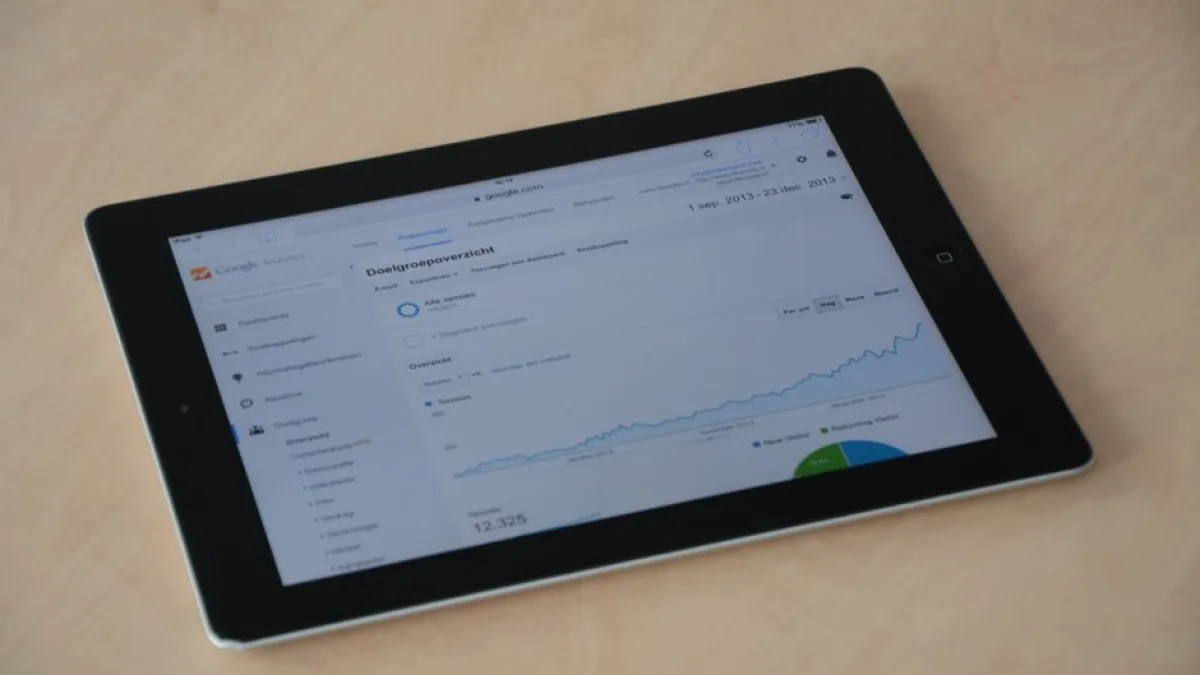
Data driven insights help your clients make better business decisions by identifying trends within their shipping history. Providing analytical reporting tools within your portal allows you to offer premium value-added services that differentiate your brand from basic freight forwarders.
- Customizable performance reporting: Clients can generate reports on their shipping volume, carrier performance, and total transit times to better understand their logistics footprint and operational costs.
- Cost analysis tools: The portal provides clear visibility into shipping expenses, enabling clients to evaluate their logistics budget and identify opportunities for optimizing future supply chain expenditures.
- Trend visualization charts: Interactive dashboards highlight patterns in lead times and shipping routes, allowing clients to see how seasonal changes affect their delivery speeds and costs.
- Strategic decision support: Providing raw data access allows large-scale clients to perform their own deep-dive analysis, which positions your company as an indispensable strategic partner rather than just a vendor.
Empowering your clients with data turns your portal into a high-value tool that goes beyond simple tracking. When customers can visualize their logistics performance through your platform, you become a core part of their success. These analytical features encourage deeper platform engagement and lock in your service as a fundamental component of their ongoing supply chain management and business growth strategies.
Conclusion

A cloud-based customer portal is the ultimate differentiator in the modern freight industry. By offering automated visibility, simplified documentation, efficient communication, and deep analytical insights, you provide your clients with the control they expect. Implementing these tools on the MakeCargo platform will streamline your operations and foster lasting professional partnerships. Start your digital transformation today to remain competitive and deliver unmatched logistics services.