Transforming Client Relationships with a Modern Freight Forwarding Portal
Saturday, August 22 2026
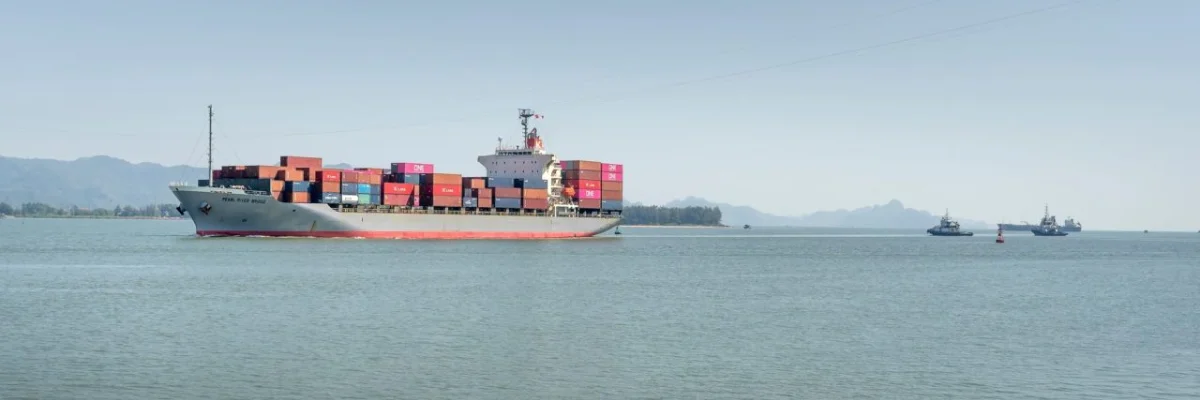
In the modern logistics landscape, the digital experience provided to your clients is just as critical as the physical movement of their cargo. Freight forwarders are increasingly moving away from manual email chains and fragmented spreadsheets to adopt integrated customer portals. By centralizing documentation, shipment tracking, and financial transparency within a single platform, businesses can drastically reduce the administrative burden on their operations teams. Adopting a customer portal allows forwarders to provide the real-time visibility that today's supply chain stakeholders demand, ultimately building trust, improving communication, and fostering long-term loyalty in an incredibly competitive global marketplace.
Real-time Shipment Visibility
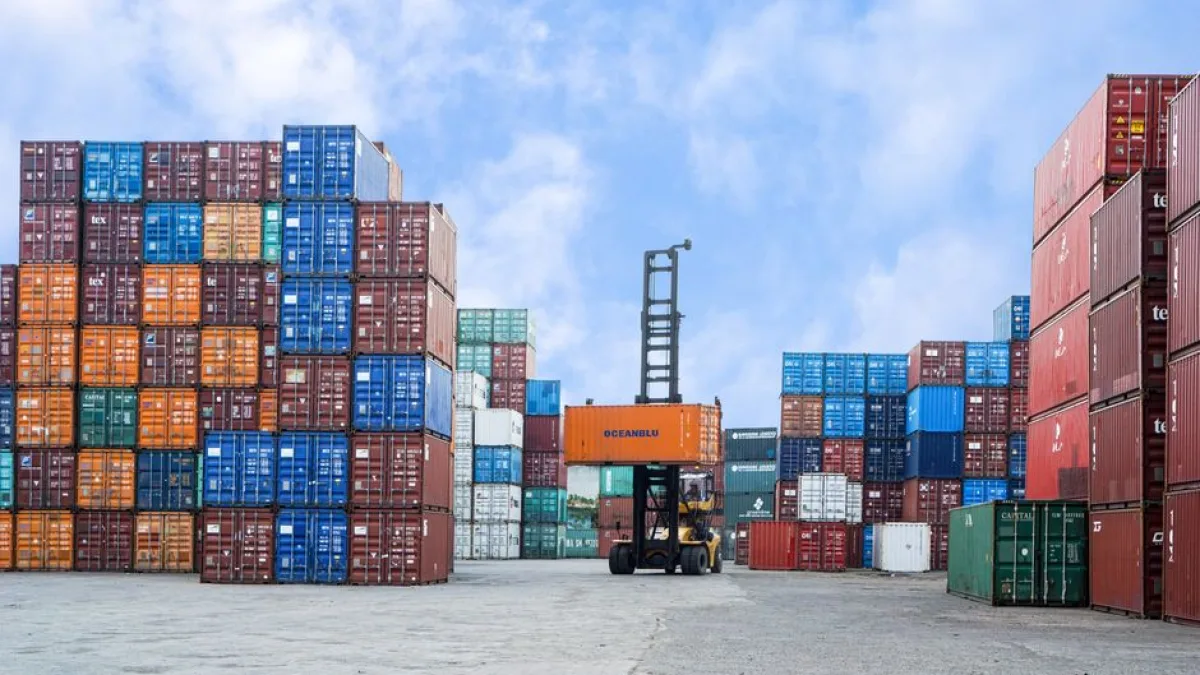
Providing customers with a live look into their logistics pipeline is essential for modern transparency. By allowing clients to track their own goods around the clock, you empower them with data while simultaneously freeing up your staff from repetitive status requests.
- Enhanced tracking updates: Clients can monitor their shipment status in real-time, reducing the need for constant phone calls or emails to your logistics coordinators regarding location or customs status.
- Automated status notifications: Your platform can automatically trigger updates to stakeholders whenever a milestone is reached, ensuring that all parties remain informed without manual intervention from your team.
- Comprehensive shipment history: Users have the ability to access a complete historical record of their freight movements, which facilitates easier auditing and better planning for future logistics operations.
- Global map integration: Visualizing cargo paths on an interactive map gives clients a clear geographic understanding of where their goods are situated at any point in the transit process.
- Predictive delay alerts: Proactive notifications warn clients about potential bottlenecks or weather disruptions, allowing them to adjust their inventory plans before minor issues become major supply chain obstacles.
When you offer this level of transparency, the relationship between forwarder and client shifts from reactive communication to proactive collaboration. By providing self-service tools for visibility, you effectively lower the friction associated with supply chain management. This leads to higher client satisfaction scores and ensures that your brand remains the top choice for companies requiring reliable, data-driven, and highly responsive global logistics support services.
Centralized Document Management

Managing countless bills of lading, commercial invoices, and packing lists is a notorious source of inefficiency. A centralized portal provides a secure, digital repository where every essential shipping document is accessible to authorized users at any moment.
- Secure cloud storage: All essential shipping documents are uploaded and stored in a secure cloud environment, protecting sensitive information while ensuring that the data is always readily accessible.
- Instant file retrieval: Users can search for specific documents using filters such as date, shipment ID, or document type, significantly cutting down the time spent hunting through email inboxes.
- Version control accuracy: Automated systems ensure that only the most recent version of a document is visible, preventing errors that often stem from working with outdated or incorrect paperwork.
- Streamlined document sharing: You can share complex files directly through the portal with internal teams or external partners, eliminating the risks associated with sending sensitive files via unsecured email.
- Customized document access: Administrators can set specific permissions to ensure that only designated users can view or download certain files, keeping confidential data protected at all times.
Organizing your documentation in a unified portal reduces the chance of costly human errors during the customs clearance process. When documents are managed effectively, the entire workflow becomes more streamlined and predictable for everyone involved. Your team can focus on complex problem solving rather than managing paper trails, providing you with a significant operational advantage in today's fast-paced international freight forwarding industry.
Automated Financial Processes

Financial transparency is a major pain point for many shippers, yet it is rarely handled with the speed that today's digital environment requires. Portals simplify the billing cycle by providing clear, instant access to all invoices and payment histories.
- Transparent invoice viewing: Clients can view all their outstanding and paid invoices within the portal, providing them with a clear overview of their financial obligations to your agency.
- Integrated payment gateways: Implementing secure payment processing directly within your portal allows your clients to settle their accounts quickly, which helps to improve your overall cash flow position.
- Automated payment reminders: The system can send friendly, automated alerts to clients when a payment is due, reducing the need for your staff to perform awkward manual follow-ups.
- Financial reporting tools: Customers gain access to spend analysis and detailed financial reports, helping them to better manage their logistics budgets and track their total shipping expenditures.
- Dispute resolution support: Having a single location to flag billing questions allows for faster resolution, creating a more professional experience that keeps your client relationships healthy and profitable.
By digitizing your financial interactions, you create a seamless and professional experience that builds confidence with your customers. Transparency regarding costs and payments removes ambiguity, which is essential for maintaining trust over long-term partnerships. When billing is handled through an automated portal, you minimize the administrative effort required for accounting tasks and ensure your revenue cycles remain healthy and consistent throughout the year.
Improved Communication Channels

Communication should be seamless and contextual. Replacing scattered email threads with an integrated messaging system ensures that all relevant project discussions are stored exactly where they belong: right alongside the relevant shipment files and tracking data.
- Contextual shipment chat: Conversations happen directly within the shipment page, ensuring that every message is linked to the correct order and preventing information from getting lost in emails.
- Unified communication logs: Keeping a history of all project discussions ensures that new team members can catch up quickly, maintaining continuity throughout the entire life of a shipment.
- Internal and external collaboration: The platform allows your team to communicate internally while also providing a secure space to resolve questions with the client in a single interface.
- Reduced email reliance: Moving conversations into the portal cuts down on inbox clutter, allowing your staff to spend less time managing messages and more time managing logistics.
- Immediate issue reporting: Clients can submit questions or report issues through the portal, ensuring that their concerns are logged and assigned to the correct staff member for resolution.
Centralizing communication removes the typical silos that often plague freight forwarding operations. By keeping every stakeholder on the same page, you prevent misunderstandings and ensure that problems are resolved with speed and accuracy. An effective portal facilitates better collaboration between your team and your customers, turning simple transactions into strong, transparent, and highly reliable partnerships that stand the test of time.
Conclusion

Transitioning to a customer portal is the most effective way to modernize your freight forwarding services and scale your operations. By providing visibility, document control, financial clarity, and better communication tools, you ensure that your business remains ahead of the competition. Start your digital transformation today to empower your clients, reduce manual workloads, and build the foundation for a more profitable and efficient logistics company.