Transforming Freight Operations with a Modern Customer Portal
Friday, September 25 2026

In the fast-paced world of logistics, manual communication creates bottlenecks that hinder growth and frustrate clients. Freight forwarders often struggle with endless email chains and disconnected spreadsheets that leave stakeholders in the dark regarding their shipment status. Adopting a centralized cloud-based customer portal bridges this communication gap, providing real-time visibility that turns administrative burdens into a competitive advantage. By empowering clients with self-service capabilities, freight forwarders can reduce operational overhead while significantly boosting client satisfaction. Embracing digital transformation is no longer a luxury but a necessity for forward-thinking logistics providers aiming to scale their operations effectively in a crowded market.
Empowering Clients Through Self-Service

A dedicated customer portal transforms the client experience by moving away from reactive updates toward proactive information access. When clients can manage their own needs, your team spends less time on status inquiry emails and more on complex logistics.
- Instant Shipment Tracking: Clients gain immediate access to live tracking data for their cargo, which eliminates the constant need for manual status updates from your busy operations team.
- Document Access Anywhere: Digital storage allows users to download invoices, packing lists, and bills of lading instantly, ensuring that essential paperwork is always available for auditing or customs.
- Quote Request Forms: Streamlined forms allow customers to submit detailed shipment specifications directly into your system, reducing errors while ensuring your team receives all necessary information every time.
- Status Change Alerts: Automated notifications keep stakeholders informed about milestones or delays, which builds trust through consistent communication without requiring any manual effort from your staff members.
By shifting to a self-service model, you successfully eliminate the common frustrations associated with traditional freight forwarding workflows. When clients possess the tools to oversee their shipments independently, the entire supply chain becomes more transparent and efficient. This reduction in manual touchpoints allows your employees to focus their energy on high-value tasks that drive revenue rather than handling repetitive administrative inquiries daily.
Boosting Visibility and Supply Chain Transparency
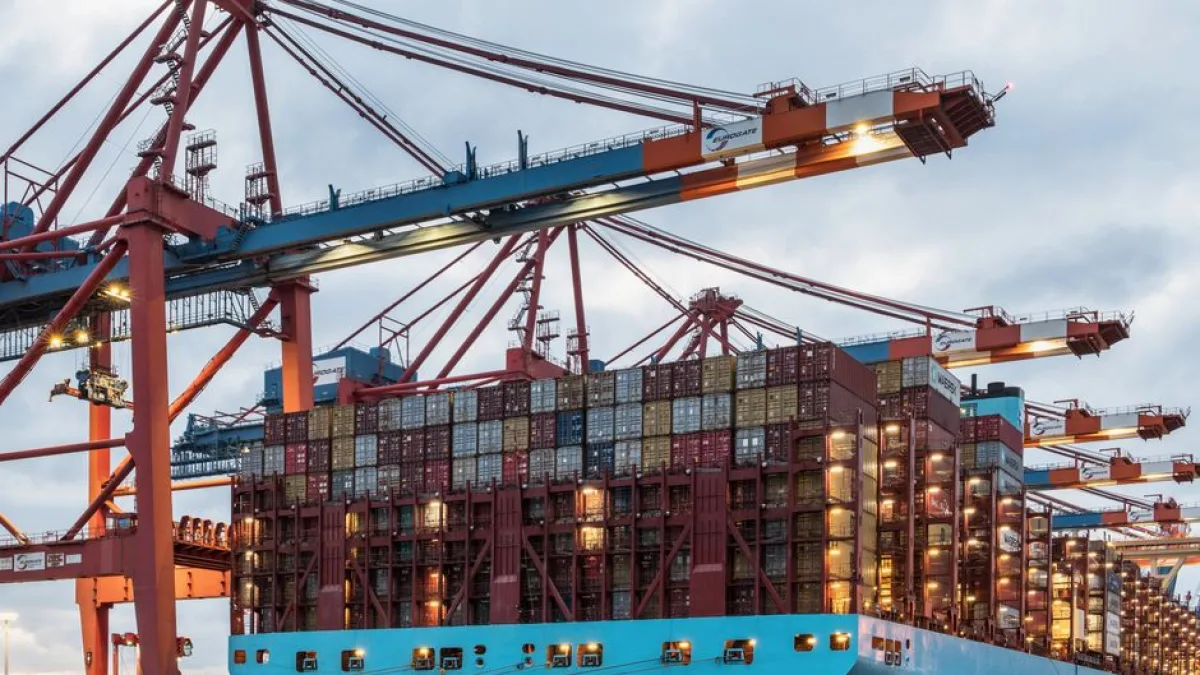
Transparency acts as the cornerstone of long-term client relationships in the logistics industry. Providing a clear window into the movement of goods ensures that all parties remain aligned during every single stage of the international transit process.
- Real Time Dashboards: Interactive visual interfaces provide a comprehensive overview of all active shipments, helping managers identify potential bottlenecks before they escalate into major supply chain disruptions.
- Milestone Tracking Updates: Granular data points show exactly where cargo resides at each transition, which offers peace of mind for customers managing time-sensitive or high-value global freight.
- Carrier Performance Insights: Data visualizations help customers monitor the reliability of specific carriers, which empowers them to make smarter logistical decisions for future shipping lanes and transport needs.
- Historical Data Logs: Access to past shipment records simplifies the analytical review process, allowing businesses to identify trends and optimize their overall logistics spend over long periods.
Enhanced visibility serves as a powerful tool for building credibility with your customer base. When forwarders share data openly through a portal, they demonstrate a commitment to excellence and professional accountability. This clarity reduces anxiety for your clients and reinforces your position as a reliable partner. Clients who have clear visibility into their freight are significantly more likely to continue working with your agency.
Scaling Operations Through Automated Workflows
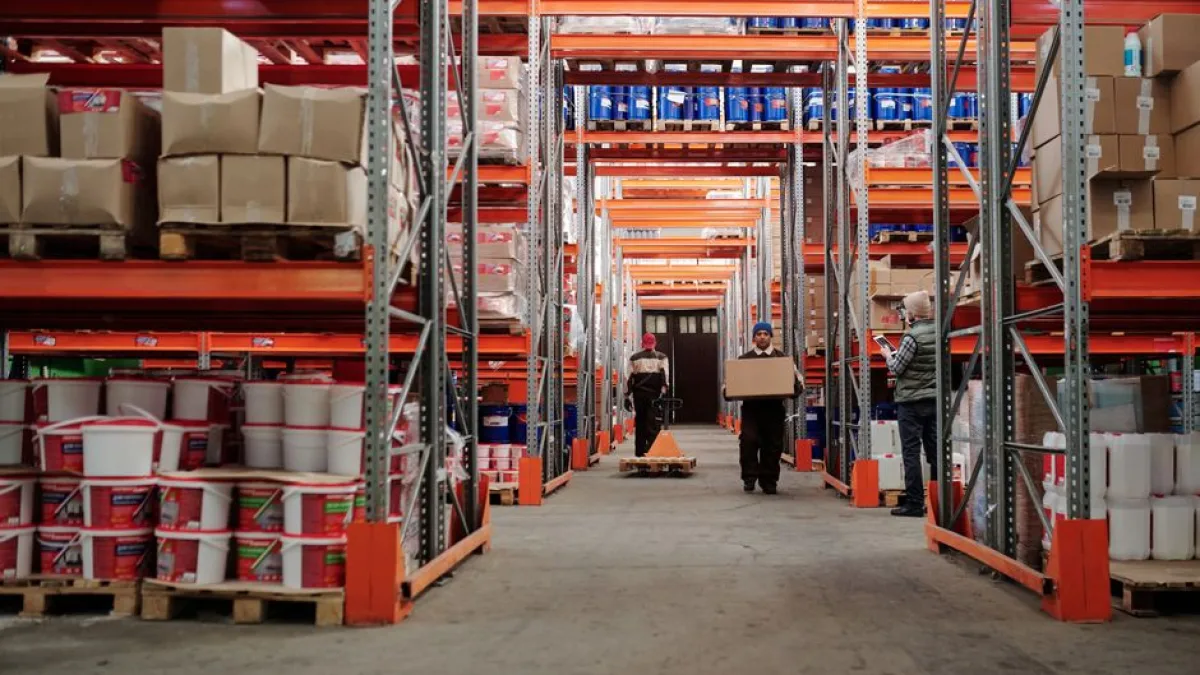
Manual processes rarely scale well, but an integrated customer portal allows you to handle increased volume without adding excessive headcount. Automation handles the heavy lifting so that your internal operations remain lean and highly responsive during peak seasons.
- Automated Data Entry: Integrated systems automatically populate shipment details from portal entries into your core software, which minimizes manual typing errors and saves valuable time for your staff.
- Simplified Invoice Management: Digital billing tools ensure that customers receive accurate invoices immediately upon task completion, which accelerates your payment cycles and improves overall cash flow health.
- Communication Centralization: Messaging features within the portal keep all shipment discussions in one secure location, preventing critical details from getting lost in fragmented personal email inboxes.
- Error Reduction Protocols: Standardized digital forms ensure that users provide all mandatory data points before submission, which prevents the back and forth delays caused by incomplete information requests.
Operating a scalable business requires robust digital infrastructure that minimizes human error. By automating standard workflows through a customer portal, you enable your company to handle growth seamlessly. This efficiency gain translates into lower operational costs and a higher capacity for new business development. Investing in this technology creates a foundation that supports long-term growth and keeps your service delivery levels consistently high.
Securing Competitive Advantage in Logistics

Modern customers demand the same digital convenience in freight as they enjoy in retail experiences. Providing a high-quality portal positions your firm as a leader, differentiating your service from traditional forwarders who still rely on legacy manual processes.
- Enhanced Brand Perception: A professional web portal reflects your company values and technological maturity, which helps to attract premium clients who demand superior digital service integration today.
- Improved Data Security: Encrypted portals ensure that sensitive shipment information remains protected, providing a safer alternative to sending documents through insecure or unprotected public email channels.
- Unified Customer Experience: Consistent interface design across all devices creates a seamless interaction for your users, regardless of whether they access the platform from desktop or mobile.
- Feedback Collection Tools: Built-in survey features allow you to gather client feedback regularly, which provides actionable insights that help you refine your service offerings and operational strategies.
Choosing to implement a portal is a strategic move that sets your business apart in a crowded marketplace. Prospective clients look for partners who utilize modern tools to save them time and reduce their internal workload. By offering a streamlined digital experience, you secure a long-term advantage that makes your firm a preferred choice. Start your digital transition and see the immediate difference.
Conclusion

Transitioning to a professional customer portal empowers your freight forwarding business to scale while delivering exceptional service. By reducing manual tasks and increasing transparency, you build stronger partnerships and improve operational efficiency across the board. The time to modernize your workflow is now to ensure your company remains competitive. Explore our platform features today to discover how MakeCargo can elevate your freight operations to new heights.