Transforming Logistics Efficiency with a Dedicated Customer Portal
Tuesday, August 11 2026
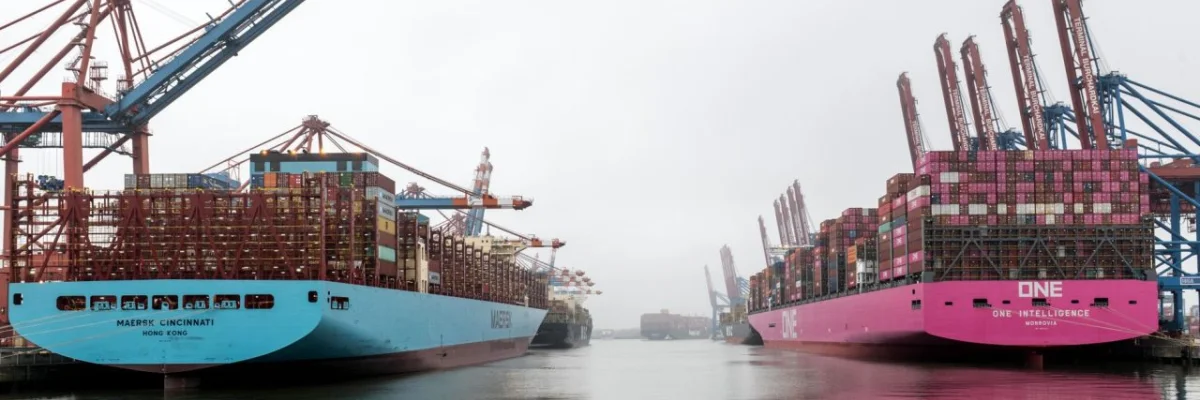
In the modern era of logistics, the demand for transparency and speed has pushed freight forwarders to abandon manual communication methods. A professional customer portal acts as the digital backbone of your operations, enabling clients to access real-time shipment updates without the need for endless email chains or phone calls. By integrating this technology into your service offering, you empower your customers with self-service capabilities while simultaneously reducing your internal administrative burden. This shift not only builds lasting trust but also positions your company as a forward-thinking leader in an increasingly competitive global supply chain environment.
Real-Time Shipment Visibility
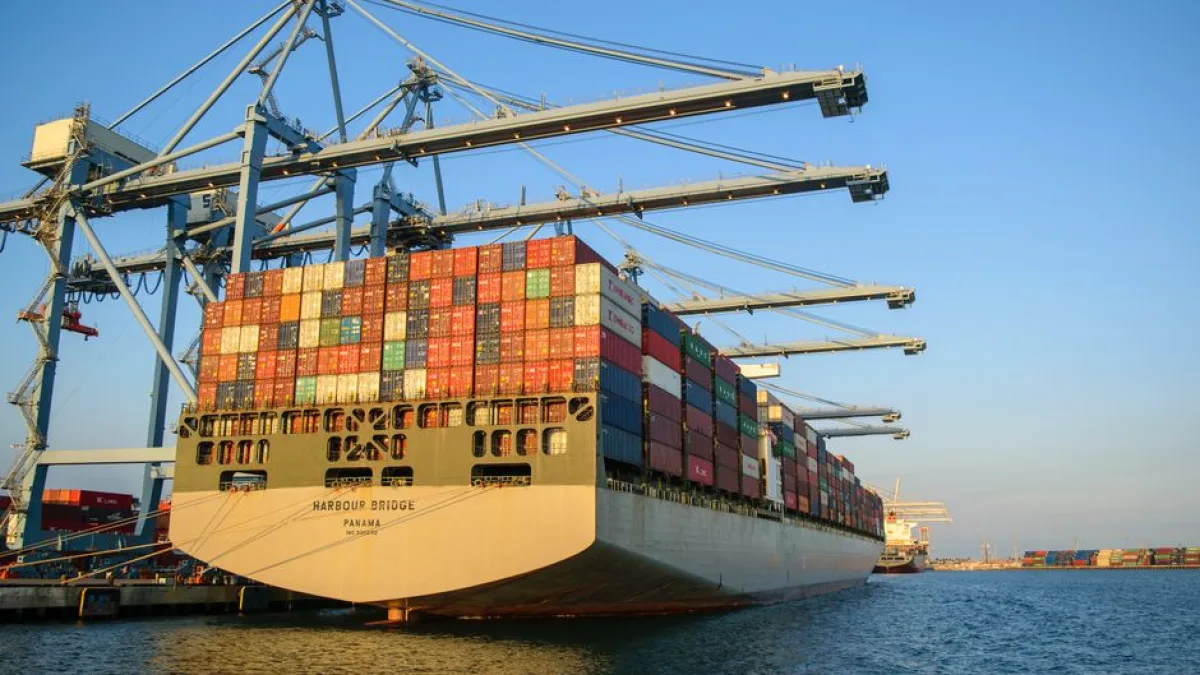
Providing clients with a clear window into their cargo journey is essential for modern business success. A dedicated portal transforms static status updates into dynamic visual tracking, ensuring your customers feel confident and informed throughout every stage of the transit process.
- Instant status updates: Clients can view the current location and milestone status of their shipments instantly, removing the uncertainty that leads to repeated status requests and manual update emails.
- Document access control: Centralized document storage allows your customers to download invoices, packing lists, and bills of lading at their convenience, streamlining their own internal accounting and filing processes.
- Automated push notifications: The platform triggers automatic alerts for key milestones or potential delays, keeping stakeholders proactively informed before they need to ask for a status check from you.
- Interactive map integration: Visual tracking maps provide an intuitive interface for clients to monitor the progress of ocean or air freight, creating a professional experience that drives customer retention.
- Simplified search filters: Advanced search functionality enables users to locate specific shipments using PO numbers or booking references, saving time for busy supply chain managers looking for quick data.
By leveraging automated tracking tools, your team gains hours of time previously spent on manual reporting tasks. Customers appreciate the ability to manage their logistics needs on their own terms, which leads to higher satisfaction scores and long term partnership growth. As you refine your digital strategy, focus on making these technical features accessible to every client regardless of their technical sophistication level.
Streamlined Document Management

Managing paperwork remains one of the most time consuming aspects of global trade. A centralized repository within your portal minimizes the risk of losing critical files and ensures that all parties can collaborate effectively using the latest version of shipping documents.
- Secure file storage: Encryption protocols keep sensitive shipping documentation protected while ensuring that authorized personnel have immediate access to necessary files whenever they need to verify shipment details.
- Electronic signature support: Integrated e-signature modules allow clients to sign off on delivery notes or customs declarations directly within the platform, eliminating the need for printing and physical scanning.
- Version history tracking: Comprehensive logging ensures that every document edit is tracked, providing a clear audit trail that prevents errors and misunderstandings during complex international customs clearance procedures.
- Unified folder structures: Organized digital filing systems help clients group documents by shipment or project, making it easier to manage documentation for high volume logistics accounts consistently.
- Custom export options: Users can easily export shipment summaries or freight spend reports in standard formats, facilitating seamless integration with their own ERP or logistics management software systems.
Reducing manual document handling significantly lowers the rate of human error in your daily freight forwarding operations. When your clients can access their records in a single, secure environment, you establish a reliable partnership model that values efficiency. This transition to digital document management is a key factor in scaling your operations to handle higher volumes without increasing your administrative overhead.
Enhanced Communication Channels

Effective communication is the core of any successful service relationship. A portal provides a structured environment for interaction, ensuring that every inquiry is logged and assigned to the right team member for a quick and accurate resolution to problems.
- Integrated support tickets: Clients can submit requests directly related to a specific shipment, ensuring your operations team has the full context required to provide a fast response every time.
- Live chat integration: Real time chat capabilities allow for instant problem solving, bridging the gap between digital automation and the human expertise your clients rely on for guidance.
- Internal team notifications: Automated alerts notify your staff whenever a new client message arrives, ensuring that no customer request is overlooked or delayed during the busy business day.
- Communication history logs: Every interaction is stored within the shipment file, creating a searchable archive that helps you resolve future disputes or repeat orders with accurate historical information.
- Direct contact directory: Clients can quickly identify and reach the specific account manager or operational specialist assigned to their account, fostering a more personalized and human connection.
Moving client interactions from private email inboxes into a shared portal ensures that your team maintains full visibility of every ongoing conversation. This transparency leads to faster issue resolution and prevents critical information from falling through the cracks. As you scale, having a centralized communication history becomes an invaluable asset for maintaining service quality and training new staff members on client specific requirements.
Advanced Analytics and Reporting

Data driven decision making is the future of freight forwarding. A portal provides the visual tools needed to transform complex logistics data into actionable insights, helping your clients optimize their supply chains and improve their bottom line performance metrics.
- Customizable performance dashboards: Users can visualize their shipping volumes, transit times, and carrier performance through intuitive charts and graphs that simplify the interpretation of complex supply chain data sets.
- Freight cost analysis: Detailed reporting tools allow clients to monitor their total logistics spend, helping them identify trends and opportunities for cost savings on high volume trade lanes.
- Carrier performance scoring: Clients can evaluate the reliability of different carriers based on past performance data, which empowers them to make smarter decisions for their future shipping bookings.
- Predictive delay warnings: Advanced algorithms highlight potential bottlenecks in the supply chain, giving your clients the advanced notice needed to adjust their strategies and mitigate risks early on.
- Scheduled report automation: The platform can automatically generate and email recurring performance summaries, saving your clients from needing to manually compile data for their own executive internal reports.
Empowering your clients with deep analytical capabilities makes your service indispensable to their daily operations. When you provide the data they need to improve efficiency, you evolve from a standard vendor into a strategic logistics partner. Use these reporting tools to highlight the value your company brings to the table and to justify premium service offerings during your regular client business reviews.
Conclusion

Implementing a robust customer portal is a vital step for any freight forwarder looking to modernize their service delivery and improve operational efficiency. By providing real time transparency, secure document management, and analytical tools, you create significant value for your clients. Start evaluating your digital capabilities today to ensure your business remains competitive and prepared for the future of global logistics and supply chain management.