Transforming Logistics Efficiency with a Dedicated Customer Portal
Tuesday, September 22 2026
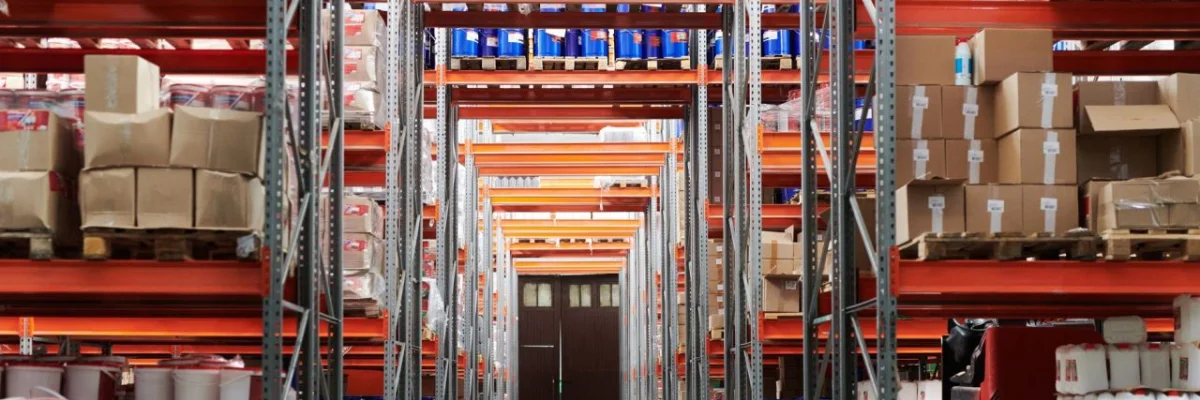
In the fast-paced world of modern freight forwarding, client expectations have shifted toward total transparency and instant access to information. Moving away from scattered email threads and manual status updates is no longer a luxury but a fundamental necessity for staying competitive. By deploying a professional customer portal, freight forwarders can empower their clients with self-service capabilities that drive operational efficiency. This shift not only builds deep trust through real-time data visibility but also allows your team to focus on high-value logistics challenges rather than answering repetitive status queries from importers and exporters throughout the workday.
Centralized Document Management

Managing global trade involves an overwhelming volume of paperwork, from commercial invoices to bills of lading. A digital portal centralizes every file, ensuring your clients always have access to the exact documentation required for customs clearance and shipment auditing without any delays.
- Automated file storage: Systems automatically categorize every uploaded document into specific shipment folders to ensure that your staff never loses critical paperwork during the busy transit process throughout the year.
- Instant download access: Clients can retrieve their essential trade documents at any time from any location, eliminating the need for email requests during late night international working hours.
- Secure permission levels: Administrators can set specific access rights for each user, ensuring that sensitive financial records or customs documents are visible only to authorized internal stakeholders.
- Version control tracking: The software tracks every edit made to a document, providing a clear history of updates that prevents confusion regarding the latest version of shipping paperwork.
- Audit trail transparency: Every interaction with a file is recorded in the system, offering full visibility into who accessed or modified documents for enhanced security and compliance.
By streamlining your document management through a centralized portal, you remove the common friction points that typically slow down international shipments. Your clients will appreciate the speed at which they can resolve issues, while your team enjoys a significantly reduced administrative burden. This digital maturity marks your organization as a forward-thinking leader in the logistics sector, ultimately driving higher levels of long-term client retention and satisfaction.
Real-Time Shipment Visibility
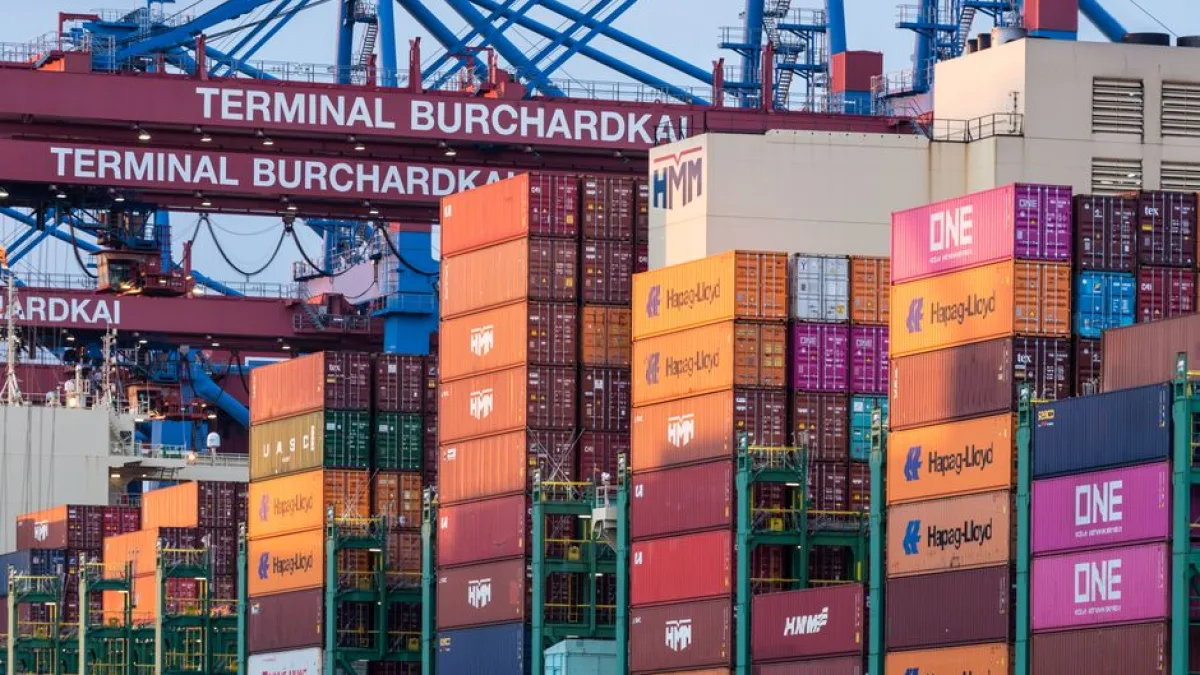
Providing clients with precise, real-time tracking is the hallmark of a high-performing freight forwarder. A dedicated portal replaces the guesswork of manual updates by displaying live vessel positions and milestone status changes directly from your core operating system to the client.
- Live tracking updates: Integrate direct feed data to show the current location of ocean, air, or road shipments, allowing clients to monitor their cargo progress around the clock.
- Proactive status alerts: Configure the system to send automatic notifications to your customers as soon as key milestones are reached, reducing the volume of status inquiries.
- Customized dashboard views: Each client can view a tailored dashboard that highlights the specific shipments and trade lanes that are most critical to their daily operations.
- Milestone tracking clarity: Break down complex logistics movements into clear, simple steps that explain exactly where goods are located in the supply chain at any moment.
- Reduced support overhead: Since customers find answers on their own through the portal, your team spends less time on phone calls and emails regarding shipment whereabouts.
Visibility serves as the backbone of modern supply chain management and client communication. When your customers have a clear window into their global freight operations, they can plan their inventory and internal processes with much greater confidence. This transparency fosters a stronger partnership, as clients feel they are working with a partner who values their time and keeps them informed at every stage.
Financial Transparency and Payments

Financial clarity is essential for maintaining strong relationships with your shipping partners. A professional portal allows clients to review their balance sheets, view outstanding invoices, and settle payments securely, which significantly improves your firm's cash flow and billing accuracy throughout the year.
- Instant invoice access: Clients can view all historical and current billing statements in one place, which eliminates the need to request copies from your finance department.
- Secure online payments: Enable integrated payment gateways that allow customers to pay invoices directly via the portal, ensuring faster settlement and reduced manual accounting tasks.
- Dispute resolution tools: Provide a dedicated space for clients to flag billing discrepancies, ensuring that financial questions are resolved quickly without slowing down active shipments.
- Detailed financial reports: Offer downloadable summaries that help clients manage their shipping budgets more effectively by analyzing historical spending patterns across different carriers and services.
- Payment status tracking: Keep clients updated on the processing status of their payments, which promotes trust and ensures that everyone is on the same page financially.
Empowering your clients with financial tools within the portal transforms the invoicing process from an administrative headache into a smooth, professional interaction. By reducing the time spent on chasing payments and reconciling accounts, your finance team gains more time to focus on strategic growth initiatives. This professional approach to billing and financial management solidifies your reputation as a reliable and organized logistics service provider.
Collaborative Communication Channels

Communication is the lifeblood of freight forwarding, yet email chains often result in lost information and slow responses. A portal offers a secure, structured channel for messaging, ensuring that all logistics discussions remain tethered to the relevant shipment record for future reference and accountability.
- Contextual shipment chat: Link messages directly to specific cargo files so that all participants know exactly which shipment is being discussed without needing lengthy email subject lines.
- Internal team collaboration: Allow your staff to share notes or documents within the portal, ensuring that everyone working on a specific account is properly informed.
- History of interactions: Maintain a complete log of all portal-based conversations, which is invaluable for resolving service disputes or answering future questions about historical shipping projects.
- Secure file sharing: Send sensitive shipping files through the portal rather than risky public email services, protecting your company and your clients from potential data breaches.
- Centralized feedback loops: Encourage clients to submit feedback or requests through the portal, making it easier to track needs and improve your service quality over time.
Streamlining communication through a single, secure platform eliminates the chaos of scattered information. When your clients know that every message is stored in one accessible location, they feel more secure and confident in your management of their goods. This organized approach to communication minimizes errors and ensures that all stakeholders stay aligned, creating a seamless experience that highlights your commitment to service excellence.
Conclusion
Adopting a modern customer portal is a strategic move that elevates your freight forwarding business to the next level of efficiency and professional service. By providing transparency, better communication, and improved financial tools, you differentiate your company in a crowded market. Start your digital transformation today to provide the exceptional service experience that your clients expect and deserve in this fast-moving global industry.