Transforming Logistics Efficiency with a Dedicated Customer Portal
Friday, October 2 2026
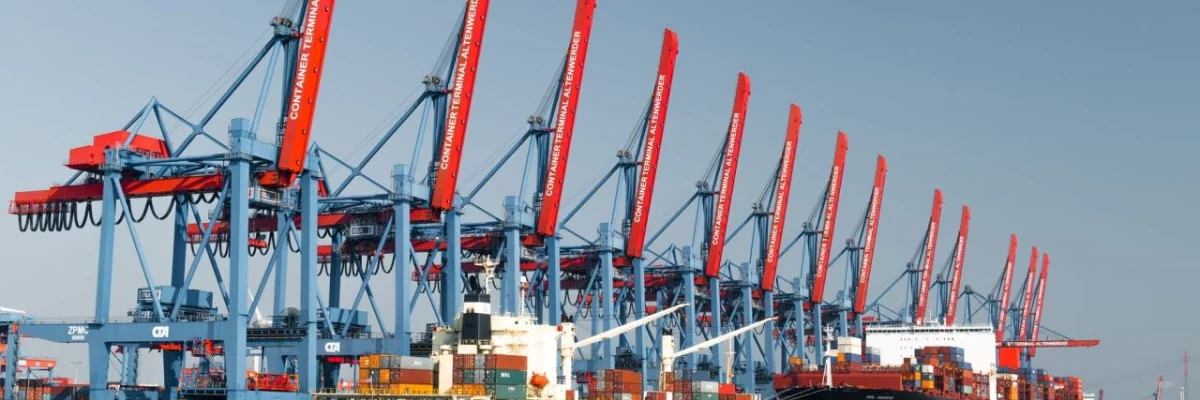
In the modern logistics landscape, the ability to provide instantaneous transparency is the primary differentiator for successful freight forwarders. Manual status updates and endless email chains are rapidly becoming obsolete as clients demand self-service capabilities that mirror their experiences in consumer banking and e-commerce. By implementing a cloud-based customer portal, forwarders can empower their clients with real-time tracking, document management, and seamless communication. This digital shift not only reduces the operational burden on your team but also builds long-term trust through data accessibility. Embracing this technological evolution is essential for remaining competitive in an increasingly fast-paced global shipping market.
Centralizing Data Access

A centralized platform removes the friction associated with searching through fragmented systems or email archives. When data is housed in one location, stakeholders gain clarity on their shipment life cycle without needing to contact a representative for basic progress updates.
- Unified data repository: Consolidate all shipment information, tracking numbers, and transport milestones into a single interface that ensures every user accesses the most current and accurate data available.
- Reduced administrative time: Eliminate repetitive status update requests by allowing customers to view their shipment progress independently, thereby freeing up your staff to focus on high-value logistics tasks.
- Improved data accuracy: Minimize the potential for human error by providing clients with direct visibility into the same cloud-based database that your logistics operations team uses daily.
- Seamless historical archives: Store all past shipment data and logs within the portal so clients can quickly retrieve historical records for auditing or reporting needs at anytime.
By bringing every piece of critical documentation and tracking data into a single, user-friendly environment, you eliminate the confusion often found in traditional logistics workflows. Clients appreciate the professional nature of a unified portal, while your team enjoys the reduced volume of basic inquiries. This setup serves as the foundation for a scalable business model that grows with your increasing client demands.
Enhancing Client Communication

Effective communication is the lifeblood of freight forwarding, yet traditional methods often lead to mismanaged conversations. A portal creates a structured environment where every interaction is logged, tracked, and easily accessible to the relevant team members involved.
- Secure messaging channels: Facilitate direct communication between clients and logistics coordinators within the portal, ensuring that sensitive shipment details are kept private and shielded from external email threats.
- Automated status alerts: Configure the system to send proactive notifications to clients at key milestones, which keeps them informed while reducing the need for manual status updates.
- Contextual thread tracking: Organize all discussions around specific shipment IDs so that any staff member can step in and assist a client without losing track of past interactions.
- Feedback management tools: Incorporate features that allow clients to provide direct feedback on service levels, helping your business refine its operations based on actual user experiences.
Structured communication channels ensure that no detail is lost in a cluttered inbox. By keeping all interactions linked to specific shipment files, your company maintains a clean trail of accountability and professionalism. This streamlined approach minimizes misunderstandings, shortens the time required to resolve issues, and fosters a transparent relationship that encourages clients to continue working with your brand over the long term.
Streamlining Document Management

Managing bills of lading, customs declarations, and commercial invoices requires precision and speed. A digital portal allows for the secure exchange of these critical documents, reducing the reliance on physical courier services and unsecured file sharing methods.
- Instant document uploads: Allow clients to upload necessary paperwork directly to the shipment file, ensuring that your team receives required documentation without constant follow up emails.
- Version control systems: Enable automatic tracking of document updates so that all parties are always working from the latest version of an invoice or customs declaration.
- Permission based access: Define exactly which users can view, edit, or download specific documents, providing you with full control over data security and sensitive client information.
- Searchable file storage: Use advanced indexing features to locate any document instantly by date, category, or reference number, which simplifies your internal auditing and compliance processes.
Digital document management removes the bottlenecks caused by manual filing and paper-based processes. When clients can access their own files securely, it demonstrates a commitment to innovation and efficiency. Your team benefits from a cleaner workflow, reduced administrative overhead, and the peace of mind that comes from knowing all compliance-related documentation is safely stored and organized for immediate retrieval whenever needed.
Building Competitive Advantage
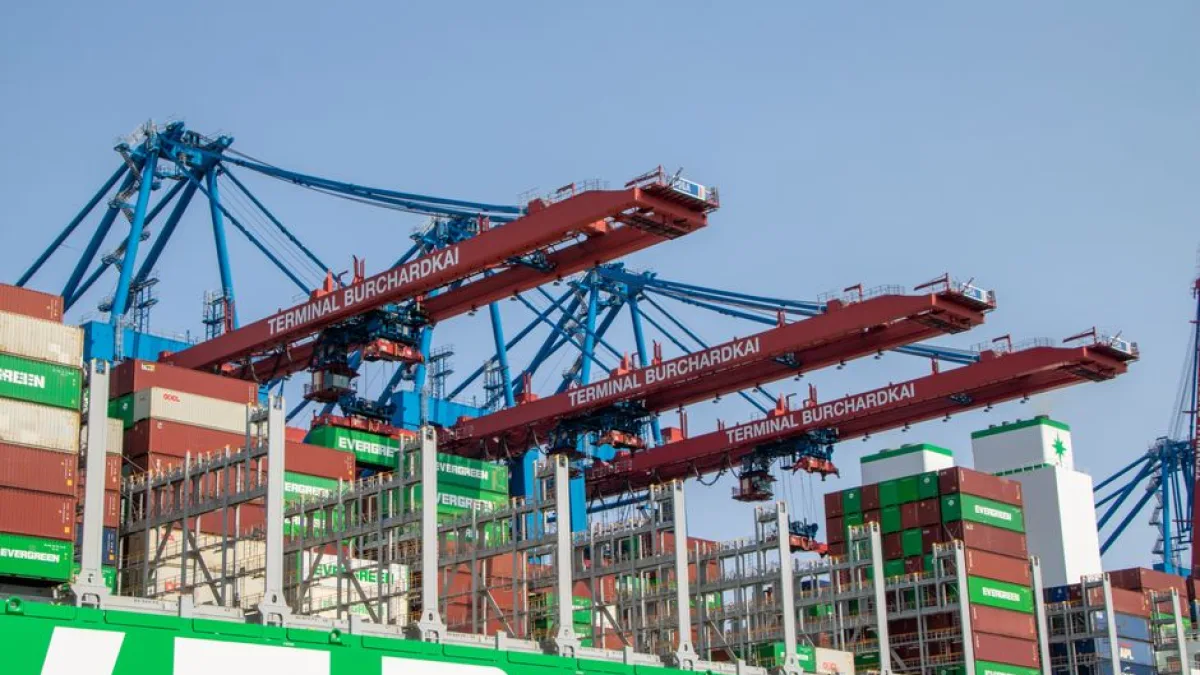
The market for freight forwarding services is becoming increasingly crowded, making it vital to offer an exceptional digital experience. A robust customer portal distinguishes your services from competitors who still rely on legacy systems and manual, slow communication processes.
- Modern brand image: Position your company as a forward-thinking logistics partner by providing a sleek, professional digital interface that rivals the technology used by major global carriers.
- Increased customer loyalty: Retain your client base by offering a superior service experience that makes their daily operations easier, more predictable, and significantly more transparent over time.
- Scalability of services: Utilize a portal architecture that allows you to handle higher volumes of shipments without needing to add proportional amounts of administrative support staff.
- Actionable business insights: Offer your clients reporting tools through the portal that provide them with visual data on their own shipping habits and overall logistics costs.
A sophisticated customer portal is more than just a convenience. It is a strategic asset that builds loyalty and positions your brand at the forefront of the industry. By investing in a digital interface, you provide value that extends beyond simple cargo movement. You become a partner in your client success, which is the most effective way to secure a sustainable competitive advantage.
Conclusion

Adopting a comprehensive customer portal is the most effective way to modernize your freight forwarding business. By centralizing data, simplifying communication, and automating document management, you provide a high-value experience that keeps your clients satisfied. This transition not only enhances your operational efficiency but also strengthens your market position. Contact the MakeCargo team today to learn how our software can elevate your customer service capabilities.