Unlocking Efficiency Through Freight Forwarding Software Integrations
Monday, August 24 2026

The global logistics landscape is shifting rapidly as digital transformation becomes a requirement rather than a luxury for competitive freight forwarders. Modern operations depend on the seamless exchange of data across multiple stakeholders including carriers, customs authorities, and shippers. By leveraging cloud-based platforms like MakeCargo, businesses can bridge the gap between fragmented systems and unified workflows. This transition minimizes manual entry errors while accelerating document processing speeds across the board. Adopting an integrated tech stack is no longer an optional upgrade for growth; it is the fundamental backbone for any forwarder looking to scale efficiently and sustain long-term profitability.
Centralizing Data Streams
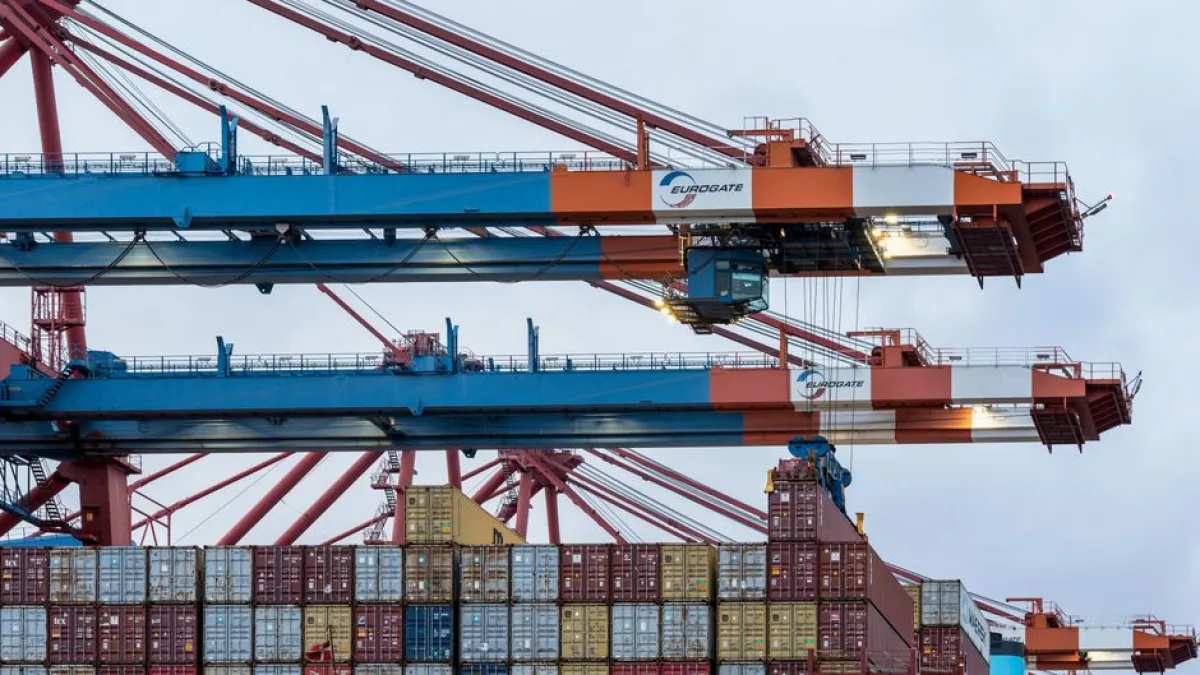
Integrating diverse data sources into a single digital ecosystem allows forwarders to track shipments with precision. By connecting your platform directly to carrier APIs, you gain real-time visibility that eliminates guesswork and enables proactive communication with your global network of customers.
- Real-time Tracking Updates: Automated synchronization between carrier systems and your dashboard ensures that every stakeholder receives instant status updates, significantly reducing the volume of manual inquiry emails and repetitive phone calls.
- API Carrier Connectivity: Direct integrations with major shipping lines allow for seamless booking and tracking, ensuring that your operational team always accesses the most accurate and up-to-date logistics information available.
- Single Source Truth: Consolidating disparate data points into one database prevents information silos and errors, ensuring that every department works from the same synchronized set of documents and shipment records.
- Automated Data Mapping: Intelligent software parses incoming EDI messages automatically, mapping critical shipment details into your system without human intervention, which drastically improves data entry accuracy and reduces administrative overhead burdens.
By centralizing your data streams, your team spends less time hunting for information and more time optimizing routes and serving clients. This digital consolidation serves as the foundation for scalable growth. As your volume increases, the automated infrastructure handles the workload without requiring a proportional increase in headcount, allowing your business to remain lean and responsive in a demanding and highly unpredictable market environment.
Automating Financial Workflows

Financial reconciliation often represents the most time consuming aspect of logistics operations. Modern software automates invoice matching and currency conversion, turning a complex manual burden into a streamlined process that boosts cash flow and improves accuracy in your accounting departments.
- Smart Invoice Matching: Advanced algorithms automatically verify incoming carrier invoices against original bookings, identifying discrepancies immediately and flagging them for quick review before final payments are processed by the finance team.
- Integrated Payment Gateways: Secure payment processing directly within your platform accelerates collections from customers and simplifies vendor payouts, ensuring that your company maintains a healthy cash flow throughout the fiscal year.
- Currency Management Tools: Automated conversion features handle multiple currencies during the invoicing process, preventing costly exchange rate errors while maintaining transparency for all international clients and global trade partners involved.
- Tax Compliance Automation: Built-in tax logic updates automatically to reflect regional regulations, ensuring that all invoices are compliant with local customs and financial laws, thereby reducing audit risks for your business.
Automation transforms your financial department from a reactive cost center into a proactive engine for growth. By removing human error from the billing cycle, you ensure that every margin is captured accurately and every invoice is settled on time. This level of financial precision builds trust with both partners and shippers, positioning your freight forwarding company as a reliable leader in global trade.
Enhancing Customer Transparency

Providing clients with a transparent view of their supply chain is a powerful differentiator in today's crowded market. Integrated customer portals allow shippers to access their own documentation and tracking information, fostering trust through constant and reliable self-service digital access.
- Secure Client Portals: Dedicated web interfaces enable your customers to log in and track their active shipments, download essential documents, and view past order history without needing to contact your staff.
- Automated Email Notifications: Customizable triggers send proactive updates to customers at key journey milestones, keeping them informed about potential delays or successful deliveries without manual work from your operations team.
- Integrated Document Sharing: Digital document management allows for instant sharing of bills of lading and commercial invoices, eliminating the need for slow physical couriers or insecure email attachments for sensitive cargo.
- Collaborative Task Management: Shared project boards allow for efficient communication between your team and your shippers, ensuring that every instruction and requirement is captured clearly within the core software system platform.
When you provide clients with the tools to manage their own visibility, you save your staff hundreds of hours annually. This transparency is not just about sharing data; it is about building a modern partnership that values time and precision. By utilizing these integrated portals, your company gains a distinct competitive advantage that keeps your customers returning for future shipping needs and complex logistics projects.
Optimizing Customs Compliance

Navigating international customs is often the most stressful phase of logistics. Integrated software solutions simplify this complexity by automating declaration submissions and ensuring that every document meets strict regulatory standards, effectively preventing costly bottlenecks at border crossings and major international ports.
- Automated Declaration Filing: Direct integration with government customs systems allows your team to submit documentation electronically, ensuring faster clearance times and significantly reducing the likelihood of manual data entry errors.
- HS Code Classification: Embedded databases suggest correct HS codes based on item descriptions, which helps avoid incorrect duty payments and minimizes the risk of audits or fines from international authorities.
- Compliance Monitoring Tools: Real-time alerts notify your team about changing customs regulations in specific regions, allowing for immediate adjustments to your documentation process to maintain total legal and operational compliance.
- Pre-clearance Document Checks: Automated validation scripts inspect all customs documents for missing signatures or fields before submission, ensuring a seamless clearance experience that avoids expensive storage fees or shipping delays.
Customs integration removes the guesswork and risk that traditionally plague international trade. By standardizing your filing process, you ensure that your cargo moves through borders with minimal friction. This level of reliability makes your services highly attractive to high-volume shippers who depend on strict schedules, ultimately driving consistent revenue growth and long-term brand loyalty for your freight forwarding firm across all global markets.
Conclusion

Leveraging cloud-based integrations is the most effective way to modernize your freight forwarding business. By connecting your systems, you automate tedious manual tasks, enhance client transparency, and ensure total compliance with international shipping regulations. Start your digital transformation today to reduce operational costs, increase your profit margins, and position your company for sustained success in the rapidly evolving and competitive global logistics industry.