Unlocking Efficiency: The Power of Logistics Integrations
Tuesday, September 15 2026
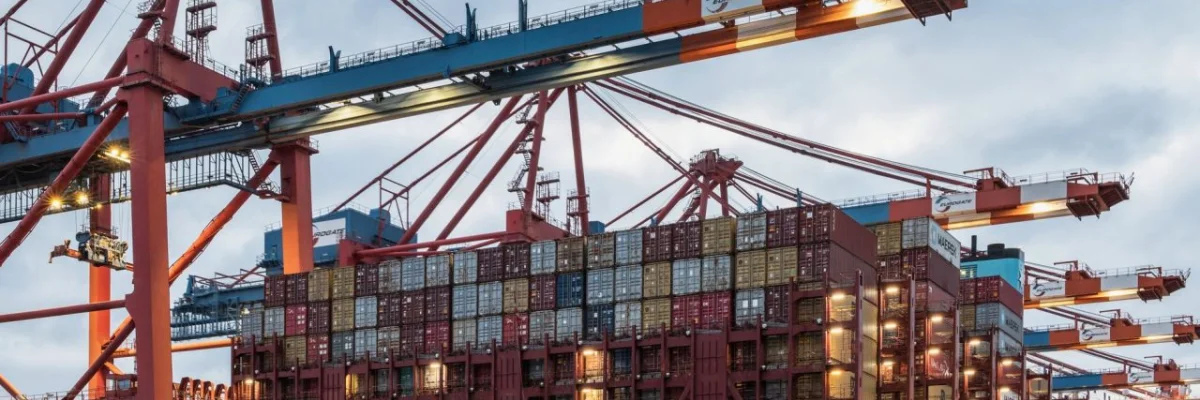
The global freight landscape is shifting rapidly as manual processes give way to digital transformation. For modern freight forwarders, the ability to exchange data seamlessly between systems is no longer a luxury but a fundamental necessity for survival. Integration serves as the backbone of supply chain visibility, enabling platforms like MakeCargo to connect disparate workflows into a single, cohesive ecosystem. By breaking down data silos, companies can reduce human error, accelerate shipment processing times, and provide clients with the real-time updates they demand. Embracing these technological bridges allows forwarders to scale their operations while maintaining high service standards in an increasingly competitive market.
Connecting Carrier Networks

Integrating with global carrier networks allows forwarders to pull schedules and rates directly into their software. This connectivity eliminates the need for manual data entry across multiple carrier portals, ensuring that your operational team works with live, verified shipment information.
- Automated Rate Retrieval: Access instant pricing updates from ocean and air carriers to provide your customers with accurate quotes without manually checking individual partner websites for current market volatility.
- Live Schedule Updates: Receive automatic notifications regarding vessel arrivals or flight changes directly within your management platform to keep stakeholders informed of any potential delays or timeline shifts.
- Electronic Booking Transmission: Send booking requests directly from your system to carrier platforms to reduce administrative burden and prevent the common errors associated with traditional email based booking methods.
- Standardized Data Formats: Use API connections to normalize incoming carrier data so that all shipment records follow a consistent structure, making internal reporting and auditing significantly more efficient.
By automating the exchange of schedules and booking details, your team gains valuable hours previously lost to repetitive administrative tasks. This shift away from manual portal navigation empowers your staff to focus on complex problem solving and customer relationship management. Ultimately, connected networks reduce the risk of missed deadlines and operational friction, providing a more reliable foundation for your expanding international freight business operations.
API-Driven Customs Compliance
Regulatory compliance is a critical hurdle for any forwarder, and API integrations with customs authorities provide a path to accuracy. By automating declaration filings, firms can ensure that every document meets strict international requirements before goods hit the border.
- Instant Document Validation: Validate your customs documentation against regional trade regulations in real-time to identify potential compliance gaps before the shipment reaches a port or a border authority.
- Automated Filing Flows: Trigger automated declaration filings once a shipment reaches a specific milestone, ensuring that documentation is submitted exactly when required by government agencies and customs officials.
- Digital Tariff Classification: Access updated tariff tables directly within your software to categorize goods correctly, reducing the risk of costly penalties or long clearance delays during international transit.
- Audit Trail Integrity: Maintain a secure digital history of all customs interactions and communications, which simplifies internal compliance reviews and provides proof of filings for future government audits.
Integrating customs processes directly into your workflow mitigates the high risks associated with manual data entry and regulatory oversight. When your software handles the technical details of compliance, your team can operate with greater confidence knowing that documentation remains accurate. This technological approach to trade compliance protects your bottom line and builds trust with clients who rely on your expertise for security.
Real-Time Tracking Visibility
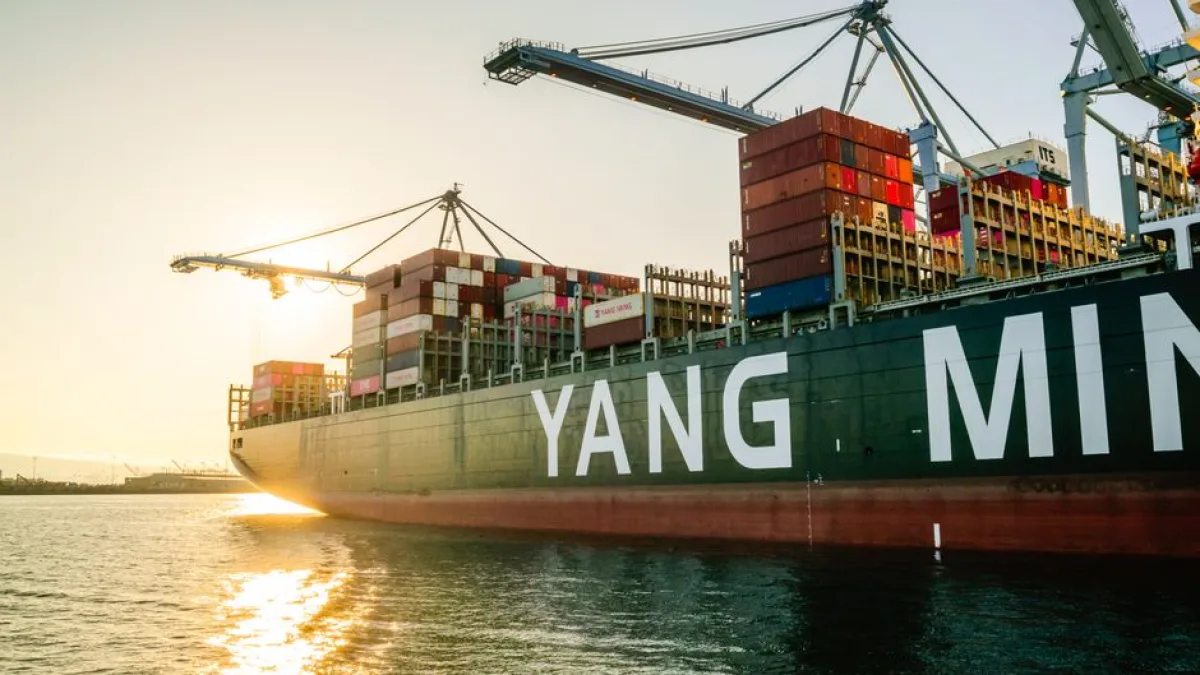
Visibility is the primary driver of customer satisfaction in modern logistics. Integrating IoT and GPS data directly into your software provides a continuous stream of location information, turning shipment status updates into a competitive advantage for your brand.
- GPS Sensor Integration: Connect your tracking dashboard to live sensor data from trucks and vessels to see the precise movement of goods across every stage of the journey.
- Predictive Arrival Alerts: Utilize advanced machine learning models that process integration data to calculate and push precise estimated time of arrival notifications to your impatient client base.
- Condition Monitoring Feeds: Monitor cargo temperature and humidity via integrated IoT devices, ensuring that sensitive shipments remain within required environmental parameters throughout the entire long-haul logistics route.
- Unified Tracking Dashboards: Consolidate data from multiple logistics partners into one clear view, allowing your staff to answer client queries instantly without needing to switch between different applications.
Real-time visibility removes the guesswork from logistics by providing a transparent window into every stage of the supply chain. When customers can see exactly where their freight is at any moment, the need for status inquiry emails drops significantly. This proactive communication style enhances the overall customer experience and sets your freight forwarding service apart as a truly modern and tech-forward partner.
Finance and Billing Automation

Connecting your freight management system to accounting software ensures that billing follows the physical movement of cargo. This synchronization is vital for cash flow management and ensures that every charge is accounted for without manual bookkeeping effort.
- Seamless Invoice Syncing: Automatically push completed shipment invoices to your accounting suite to eliminate duplicate entries and ensure that your finance department has access to live data.
- Instant Payment Reconciliation: Match incoming payments from clients against specific invoices in real time, which helps your accounting team track cash flow more effectively and identify outstanding debts.
- Automated Currency Conversion: Integrate live exchange rates to handle multi-currency transactions, ensuring that your billing remains accurate regardless of international market fluctuations or the specific country involved.
- Reporting and Analytics: Generate comprehensive financial reports by merging operational performance data with accounting figures, offering your leadership team a deeper understanding of profitability per shipment or client.
Integrating your operational software with financial systems transforms the way you manage revenue and expenses. By removing manual reconciliations, you reduce the time required for month-end closing while increasing the overall accuracy of your financial records. A unified approach to billing and logistics operations allows your firm to maintain healthy margins and scale your services with greater financial clarity and control.
Conclusion

Successful freight forwarders now prioritize deep software integration to thrive in an evolving market. By connecting carrier networks, customs systems, tracking tools, and financial platforms, you create an agile and efficient business model. Start exploring how MakeCargo can integrate with your existing tech stack to optimize workflows today. Embracing these digital connections will ultimately define the future of your professional logistics operations.