Unlocking Efficiency Through Freight Forwarding Software Integrations
Tuesday, August 11 2026
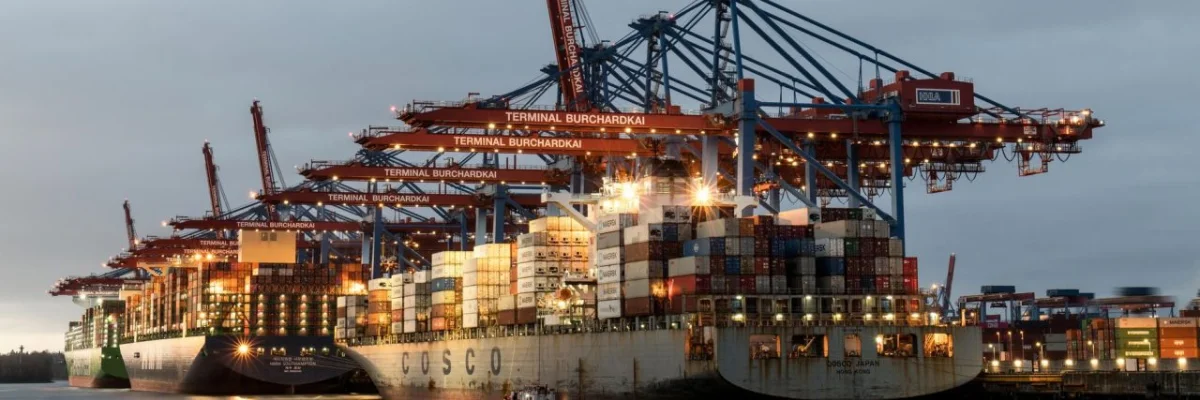
In the rapidly evolving landscape of modern logistics, freight forwarders face increasing pressure to balance speed, transparency, and cost control. As global supply chains grow more complex, manual processes and disconnected systems become significant liabilities that hinder growth and operational excellence. Leveraging a cloud-based software platform allows businesses to unify disparate data streams into a single source of truth. By integrating specialized tools with core management systems, forwarders can automate tedious manual tasks, reduce human errors, and gain real-time insights into shipment lifecycles. Embracing this technological shift is no longer optional for companies aiming to remain competitive in today's digital global market.
Automating Complex Documentation Workflows

Manual document handling is often the primary bottleneck for logistics teams dealing with high volumes of international trade. Digitized workflows bridge the gap between regulatory requirements and operational speed, ensuring that every piece of cargo documentation moves forward without unnecessary human-led delays.
- Customs compliance automation: Integrating your software with regional customs databases ensures that filings are completed accurately and instantly, which significantly reduces the risk of costly penalties or port shipment holds.
- Digitized bill generation: Automated generation of bills of lading and commercial invoices removes the need for manual data entry, creating a seamless flow from initial booking to final delivery.
- Smart document recognition: Advanced optical character recognition tools extract critical shipment data from PDFs and scans, populating your system automatically to save staff hours of repetitive manual typing tasks.
- Real-time status updates: Automated trigger systems alert stakeholders the moment a document is approved or flagged, maintaining continuous visibility throughout the lifecycle of your international freight movement operations.
Adopting automated documentation workflows transforms how your team interacts with administrative burdens. By removing the repetitive manual elements of filing and verification, staff members can pivot toward higher-value tasks such as customer relationship management and strategic route planning. This shift not only accelerates the pace of your overall business operations but also creates a scalable environment capable of managing increased global volume effortlessly.
Real-Time Visibility Through API Connectivity

API connectivity acts as the nervous system of modern logistics, linking your platform to carriers and port terminals. This constant exchange of data provides a level of clarity that was previously impossible to achieve using older, legacy communication methods like email.
- Carrier tracking integration: Direct API links to ocean and air carriers provide live location updates for all active shipments, ensuring that you always know exactly where cargo sits.
- Port status monitoring: Connecting to port terminal operating systems allows you to see live congestion data, helping you plan for potential delays before they impact your delivery schedules.
- Direct warehouse connectivity: Real-time inventory synchronization with warehouse management systems ensures that downstream supply chain partners can prepare for arrival without needing constant status check phone calls.
- Automated milestone alerts: Custom notifications keep your clients informed at every critical juncture, building trust through transparency without requiring extra manual effort from your dedicated support staff members.
Achieving total transparency requires more than just tracking; it requires a unified ecosystem where data flows without friction. By utilizing robust API connections, you replace fragmented updates with a continuous stream of actionable information. This reliability improves your service quality, reduces client anxiety regarding shipment status, and positions your freight forwarding company as a modern leader in the logistics technology space today.
Optimizing Financial Performance and Billing

Financial health remains the backbone of any freight forwarding operation, yet billing errors and payment delays often plague the industry. Integrating your operations platform with accounting software creates a seamless transition from shipment execution to finalized financial reporting.
- Seamless invoice syncing: Automatic transfer of shipment costs to your accounting ledger prevents revenue leakage and ensures that billing cycles remain consistent across your entire organizational infrastructure setup.
- Dynamic cost analysis: Integrated reporting tools allow you to compare carrier quotes against actual landed costs, helping you identify inefficiencies and negotiate better rates for future shipments.
- Faster payment cycles: Electronic invoicing features integrated with payment gateways encourage quicker client settlements, effectively improving your overall cash flow management and reducing day sales outstanding figures annually.
- Currency fluctuation management: Real-time integration with financial markets allows your platform to adjust charges based on current exchange rates, protecting your margins against sudden global economic volatility shifts.
Precise financial management is the key to long-term sustainability in the logistics sector. When your operational software talks directly to your accounting systems, the result is a reduction in billing discrepancies and an increase in overall profitability. This harmony between departments enables better decision making, as leaders can view accurate, real-time financial snapshots rather than waiting for end-of-month reconciliation reports to appear.
Scaling Operations Through Modular Add-ons

Growth requires a software infrastructure that adapts to changing business needs. Modular integrations allow freight forwarders to start with essential features and expand their technological capabilities as they enter new markets or manage larger volumes of international freight business.
- Scalable user management: Easily add new team members or departments into your cloud environment, maintaining full administrative control while scaling your global operations to meet rising market demand.
- Third-party partner portals: Give agents and local partners restricted access to your system to upload documents or check statuses, centralizing collaboration in one secure digital workspace location.
- Custom reporting dashboards: Tailor your analytics tools to monitor specific KPIs that matter most to your business goals, providing actionable insights into your team performance and resource utilization.
- Seamless software updates: Cloud-based platforms push new features and security patches automatically, ensuring your business always operates on the most current version without requiring complex manual installations.
A modular approach to software ensures that your organization remains agile and ready for future challenges. Instead of being locked into rigid, expensive systems, you gain the freedom to select tools that drive specific growth objectives. By building a flexible technology stack, you empower your staff to work more effectively and ensure that your forward-thinking business is always positioned for continued success.
Conclusion

Integration serves as the foundation for modern freight forwarding success. By connecting your operations, finance, and tracking tools through a unified cloud platform, you remove barriers that traditionally limit your growth potential. Investing in these digital connections today will streamline your daily workflows, satisfy your clients with superior transparency, and maximize profitability. Now is the time to modernize your logistics stack for future success.