Unlocking Efficiency Through Freight Forwarding Software Integrations
Friday, August 21 2026

The global logistics landscape is undergoing a massive digital transformation that forces freight forwarders to re-evaluate their reliance on fragmented manual processes. As supply chain complexities mount, the ability to connect disparate systems through integrated cloud-based software becomes a competitive necessity rather than a luxury. By centralizing data from carriers, customs authorities, and internal departments, forwarders can eliminate silos that lead to costly errors and delays. Adopting an integrated ecosystem enables real-time visibility and seamless communication, ensuring that every stakeholder remains informed throughout the shipping lifecycle, ultimately driving operational excellence while boosting your bottom line and enhancing client satisfaction levels.
Automating Data Flow Between Systems

Integrating software platforms allows for the seamless transfer of shipment data, removing the need for repetitive manual entry. By creating a unified digital hub, forwarders ensure that information remains accurate and consistent across every stage of the logistics process.
- Seamless API Connectivity: Modern freight platforms utilize robust application programming interfaces to facilitate real time communication between your internal systems and external carrier networks for faster processing.
- Reduced Manual Errors: Automated data synchronization significantly minimizes the risk of human error by eliminating redundant typing tasks that often lead to costly documentation discrepancies during transit.
- Enhanced Data Accuracy: Centralized digital databases ensure that every department accesses the most recent information, preventing conflicting records that typically occur when using multiple disjointed software tools.
- Streamlined Documentation Workflows: Intelligent software integration automatically populates essential shipping documents from existing database fields, which saves your team hours of administrative work on every single shipment processed.
- Improved System Interoperability: Connecting your freight software with accounting or customer relationship management tools creates a holistic view of your business performance that informs better strategic decision making.
Transitioning to automated data workflows transforms how your team manages daily operations by freeing them from mundane clerical duties. When systems communicate without human intervention, the entire supply chain becomes more agile and responsive to sudden market changes. This newfound speed allows your staff to focus on high value tasks like strategic account management and complex problem solving instead of basic data verification.
Expanding Visibility With Carrier Integrations
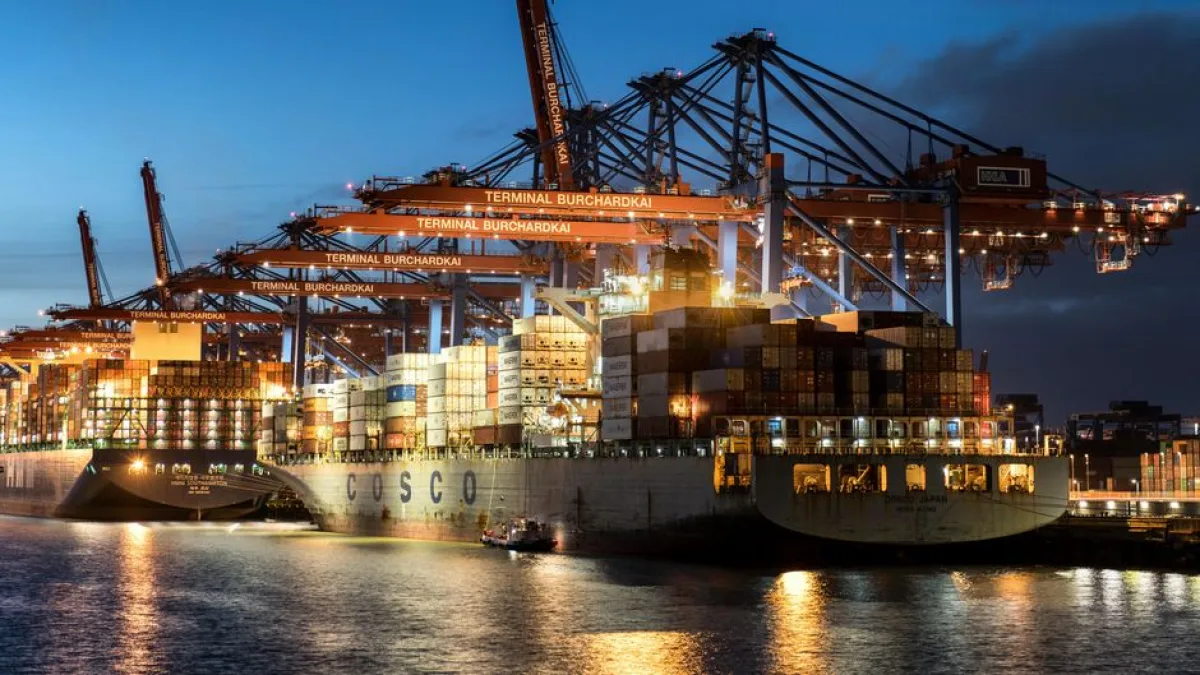
Real-time tracking capabilities are now standard requirements for modern shippers who expect total transparency. Integrating your software with carrier systems provides direct access to live location updates and status notifications, ensuring you always know the exact position of cargo.
- Live Status Updates: Automatic triggers pull current location data directly from carriers into your dashboard to provide clients with accurate milestones that build long-term trust and reliability.
- Proactive Exception Management: Advanced software tools monitor carrier feeds to identify potential delays before they impact delivery timelines, allowing you to notify customers and find solutions.
- Unified Carrier Portals: Managing all your partner carrier updates within one single interface prevents the need to log into dozens of separate websites for tracking information.
- Automated Client Notifications: Customizable alert systems send automatic status updates to your customers as shipments move through the network without requiring any manual intervention from staff.
- Better Carrier Performance: Analyzing integrated tracking data helps you evaluate which partners offer the most reliable services based on historical performance metrics found in your platform.
Proactive transparency serves as a significant differentiator in the competitive freight industry. By offering clients immediate access to their shipment status through integrated software, you remove the anxiety of the unknown and foster deeper business relationships. These tools enable you to manage expectations effectively, turning potential complaints into opportunities for demonstrating your commitment to service quality and professional shipment management every day.
Optimizing Customs Compliance Through Tech

Navigating international trade regulations requires extreme precision to avoid penalties or cargo seizures. Integrated compliance modules embedded within your freight software ensure that all declarations are filed correctly, keeping your operations running smoothly across various global borders today.
- Automated Tariff Classification: Intelligent classification engines suggest the correct HS codes for your goods to ensure accurate duty calculations and compliance with local customs tax requirements globally.
- Direct Customs Filing: Integrated platforms connect with regional government systems to allow for the instant electronic submission of documents directly from your freight management software interface.
- Compliance Audit Trails: Digital logs record every document change and filing activity to provide a comprehensive audit trail that simplifies future inspections and internal compliance reviews.
- Instant Regulatory Updates: Software providers push automatic updates to your system regarding changes in international trade laws, ensuring your filing processes remain compliant at all times.
- Reduced Compliance Risk: Advanced validation checks prevent incomplete or inaccurate entries from being submitted, effectively shielding your company from the legal risks associated with incorrect customs documentation.
Mastering customs compliance via technology mitigates significant financial risks while accelerating the pace of international trade for your customers. By automating the filing process, you ensure consistent adherence to complex legal standards without needing an army of experts. This stability builds confidence among your clients, positioning your freight forwarding business as a reliable partner capable of handling even the most difficult border requirements.
Scalability Through Cloud Integration

Cloud integration provides the flexibility needed to grow your business without massive infrastructure investments. As your volume of shipments increases, cloud-based software scales alongside you, ensuring consistent performance and access to your data from any global location.
- Global Data Access: Hosting your freight operations on the cloud allows team members in different geographic regions to access real time shipment information simultaneously and efficiently.
- Cost Effective Scaling: Subscription models allow you to add users or modules as your business grows, ensuring you only pay for the specific resources you actually need.
- Automatic Software Updates: Cloud platforms deliver the latest features and security patches directly to your system, removing the burden of manual installations and expensive hardware maintenance.
- Enhanced Cyber Security: Cloud providers employ enterprise grade security measures to protect your sensitive shipment and client data from potential breaches or catastrophic hardware failure events.
- Seamless Third Party Sync: Modern cloud architectures support easy integration with future tools, ensuring your tech stack remains adaptable to evolving logistics technologies and market requirements.
Cloud-based integration is the backbone of a modern, future proof freight forwarding operation. It provides the agility required to remain competitive in a fast-paced market where data speed is paramount. By moving your core systems to the cloud, you empower your organization to pivot quickly, manage increased volumes with ease, and maintain a high standard of operational excellence regardless of growth.
Conclusion

Integrating your freight forwarding software creates a unified digital ecosystem that saves time, reduces error rates, and improves client communication. By prioritizing these technological connections, you transform your company into a highly efficient, data-driven entity capable of handling modern logistical challenges. Leverage these integrations today to build a more resilient business, increase your operational capacity, and secure your long-term success in the industry.