Unlocking Efficiency Through Freight Forwarding Software Integrations
Monday, October 5 2026

Modern freight forwarding is no longer defined by manual data entry or siloed communication channels that cause costly bottlenecks. As the global supply chain becomes increasingly complex, digital transformation is the primary driver for competitive advantage. Cloud-based platforms allow logistics professionals to unify disparate workflows, automate tedious administrative tasks, and provide real-time transparency to stakeholders. By leveraging integrated technology, forwarders can reclaim hours previously lost to spreadsheet management and focus on scaling their operations. Embracing a unified software ecosystem is essential for companies aiming to remain agile while delivering superior customer experiences in an environment where speed and accuracy define success.
Seamless Data Exchange
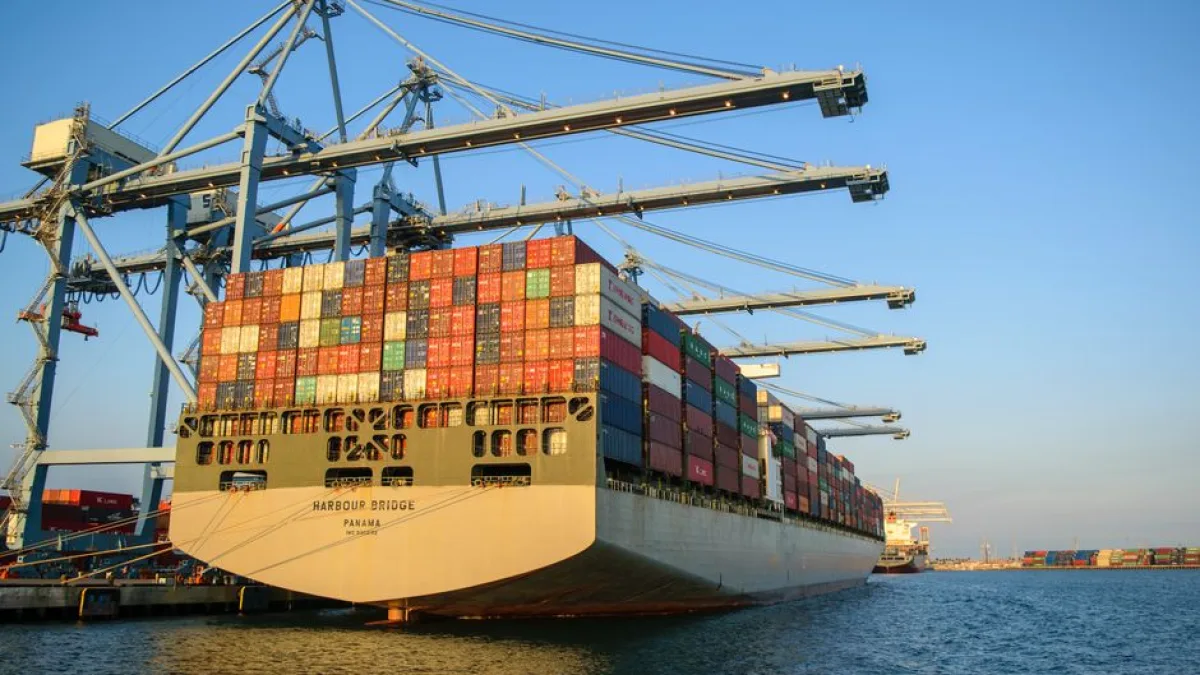
Integrating software systems removes the friction caused by manually transferring information between carriers, customs authorities, and internal teams. Automated data flows ensure that critical shipping documents and status updates reach the right parties instantly without human intervention or transcription errors.
- Eliminate manual entry: Automated synchronization between platforms removes the need to retype data into multiple systems, significantly reducing the frequency of human errors and speeding up processing times across the business.
- Real-time visibility: Integrated systems provide live status updates directly from carriers, giving your operations team and your customers an accurate view of shipment progress throughout the entire lifecycle.
- Enhanced data accuracy: Centralized information management ensures that every team member works from the same source of truth, preventing discrepancies that often arise from using outdated email or spreadsheets.
- Faster document processing: Automating the flow of commercial invoices and packing lists directly into your workflow reduces the time spent on manual validation and accelerates the entire customs clearance procedure.
By removing the burden of manual data entry, your staff can focus on high-value problem solving rather than administrative upkeep. This shift improves operational speed while boosting morale by eliminating repetitive tasks. As data moves seamlessly across your organization, you gain a clearer picture of your performance metrics. This foundation allows you to make faster, smarter decisions that drive growth and long-term client loyalty.
Optimizing Carrier Communication
Effective communication with carriers is the backbone of successful freight management. Integrated software enables direct API connections to carrier systems, facilitating instant booking requests, status tracking, and document retrieval without ever leaving your central freight forwarding software platform interface.
- Instant booking requests: Direct API connections allow users to secure space with carriers instantly, bypassing the sluggish process of checking availability through individual web portals or manual telephone calls.
- Automated status updates: Receive trigger-based notifications whenever a shipment reaches a new milestone, ensuring that your team and clients are always updated without constant proactive status inquiries.
- Centralized document management: Retrieve electronic bills of lading and arrival notices directly within the software, keeping all relevant shipping documentation organized and accessible for every team member involved.
- Efficient rate retrieval: Automatically pull current pricing and routing options from your network of carriers to provide fast, accurate quotes to your customers based on the latest market data.
Optimizing how you interact with carriers transforms your daily workflow from reactive to proactive. By consolidating all communication channels into a single cloud dashboard, you minimize the risk of missed updates or lost emails. This improved connectivity fosters stronger carrier relationships and provides the reliability that modern shippers demand. Ultimately, a streamlined communication strategy is the key to maintaining consistently high service standards.
Leveraging Advanced Analytics

Data is the most valuable asset in modern logistics, provided it is properly analyzed and leveraged. Integrated software captures every interaction, providing deep insights into route performance, carrier reliability, and profit margins to help you optimize your service offerings and costs.
- Performance tracking tools: Analyze historical shipment data to identify which routes or carriers consistently perform best, allowing you to refine your operations and minimize potential transit delays for clients.
- Cost analysis insights: Generate detailed reports on margins per shipment or client, helping you identify areas where your business can improve profitability or where resources are being overextended.
- Operational bottleneck identification: Use visualization tools to spot where processes are slowing down, allowing you to reallocate team members or update workflows to ensure maximum organizational efficiency consistently.
- Custom reporting capabilities: Build tailored dashboards that display the metrics most important to your specific business goals, providing a clear vision of health and growth for management.
Turning raw logistics data into actionable intelligence is a significant competitive differentiator. When you understand exactly where your costs and delays originate, you can take precise action to optimize your freight forwarding business. These insights support long-term planning and ensure your resources are allocated where they generate the most value. Data-driven strategy is the hallmark of a truly modern, successful forwarding operation.
Scalable Cloud Infrastructure

The cloud provides the necessary flexibility to scale your operations without the constraints of local hardware or static software licenses. As your cargo volume grows, your cloud-based platform adapts to handle the increased load while maintaining high speed and security.
- Flexible resource scaling: Add new users, offices, or features to your software platform instantly as your business expands, ensuring that your technology always matches your current operational demands.
- Enhanced remote access: Securely log in to your freight management system from any location globally, enabling flexible work arrangements while keeping your entire team synchronized at all times.
- Automated system updates: Benefit from constant improvements and feature rollouts delivered through the cloud, ensuring you always have access to the latest security protocols without manual installations.
- Superior data security: Protect sensitive client information with industry-leading encryption and automatic backups that are managed in secure data centers, minimizing risks of data loss or hardware failures.
Transitioning to a scalable cloud infrastructure is essential for companies aiming to capture new market opportunities without being held back by technical limitations. Cloud technology offers the reliability and agility that modern forwarders need to stay competitive in a fast-paced environment. By offloading technical maintenance to your software provider, you gain the freedom to focus entirely on your core mission of moving global freight.
Conclusion
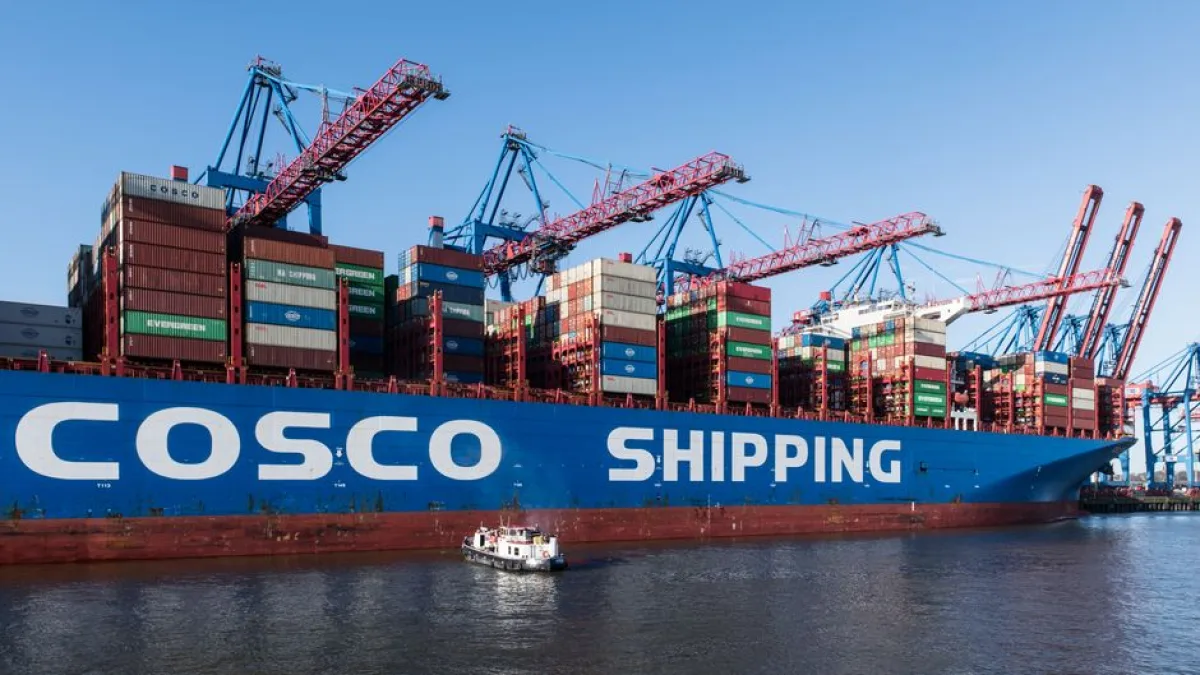
The integration of technology into freight forwarding is the most effective path toward achieving operational excellence. By connecting data flows, optimizing communication, leveraging analytical insights, and utilizing cloud scalability, you position your business for sustainable success. Start evaluating your current software stack today to identify where integrations can provide the most impact. Embrace these digital tools to stay ahead in an evolving logistics market.