Why a Customer Portal is Essential for Modern Freight Forwarders
Friday, July 24 2026

Modern logistics moves at an unprecedented pace and customer expectations have evolved significantly over the last decade. Freight forwarders often struggle with fragmented communication channels, outdated tracking methods, and slow response times that hinder operational efficiency. Implementing a robust customer portal transforms these challenges into competitive advantages by centralizing documentation and providing real-time shipment visibility. As digital transformation continues to reshape the supply chain industry, forwarders who invest in self-service technology platforms will find themselves better equipped to handle complex global logistics while building lasting trust with their clients through transparency and modern, seamless digital experiences.
Enhanced Shipment Visibility

Providing clients with a clear window into their global freight operations is vital for maintaining transparency. When stakeholders monitor their cargo movements in real-time, the need for manual status update requests decreases, allowing your internal teams to focus on high-value logistics tasks.
- Real-time tracking status: Give your customers the ability to monitor their freight shipments live through an intuitive dashboard that pulls data directly from your central logistics software systems.
- Automated milestone updates: Reduce the burden on your team by triggering automated notifications that alert your clients whenever their cargo reaches a new port or key transit point.
- Integrated map views: Offer interactive map interfaces that allow users to visualize the exact position of their ocean containers or air freight shipments across the entire globe.
- Historical data access: Provide your customers with a complete history of their past shipments so they can easily reference previous documentation or analyze performance trends over time.
By empowering clients with direct visibility into their logistics pipeline, you demonstrate a commitment to professional excellence. This self-service capability reduces administrative overhead for your staff while simultaneously boosting customer satisfaction. When your portal provides accurate, live information, clients feel more in control of their own supply chains. This added level of transparency builds long-term partnerships based on reliability and clear digital communication.
Centralized Document Management
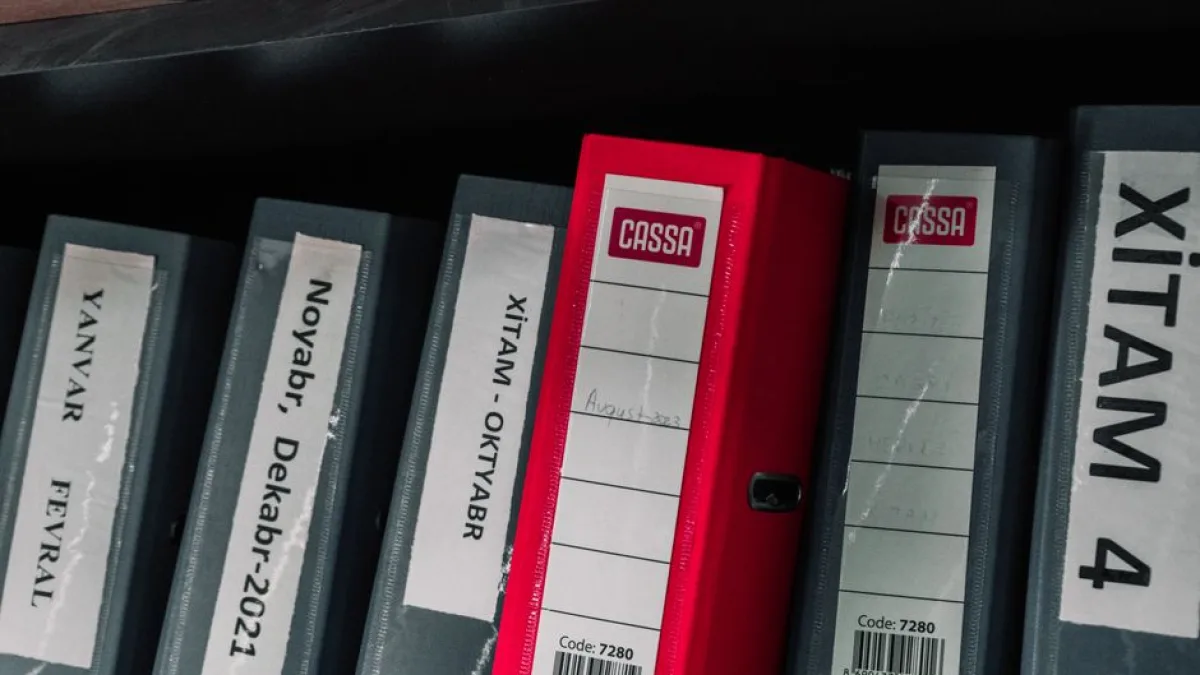
Moving away from cluttered email threads and physical paperwork is essential for optimizing internal productivity. A centralized portal acts as a single source of truth where all shipping documents are stored securely and remain accessible to authorized users at any time.
- Secure document upload: Allow your clients to securely upload commercial invoices, packing lists, and certificates of origin directly into the system for instant team member verification.
- Instant file downloads: Ensure your customers can retrieve essential shipping documents like bills of lading or customs declarations without needing to contact your office for copies.
- Versioning and auditing: Keep track of every document version with a comprehensive audit trail that logs every change, ensuring total accuracy throughout the entire shipping process.
- Organized storage folders: Structure your document management system so that each client can navigate through their specific folders to find exactly what they need in seconds.
Consolidating all documentation into a secure portal eliminates the frustration of searching through endless email chains. By digitizing these files, your firm significantly reduces the risk of human error or lost paperwork. Your clients will appreciate the professional speed at which they can access critical files. This transition to digital document management represents a major leap forward for any modern forwarding business.
Streamlined Communication Channels

Effective communication remains the backbone of the freight forwarding industry, but traditional methods like phone calls or emails are often inefficient. A portal provides a dedicated communication hub for logistics queries, ensuring that every message is tracked, answered, and stored appropriately.
- Direct inquiry portal: Enable your clients to submit questions about specific shipments directly on the relevant dashboard, keeping all conversations linked to the correct order number.
- Centralized chat logs: Maintain a full record of all digital correspondence within the portal so your team never misses important details during staff handovers or shifts.
- Quick response templates: Use integrated communication tools to send professional responses to common client inquiries, ensuring consistent messaging across your entire company branding and customer service.
- Multi-user account management: Assign specific permissions to different members of your client's team, allowing them to manage their own users and access requirements independently and securely.
Streamlined communication prevents vital information from falling through the cracks of busy inbox folders. By keeping all queries within a single platform, you guarantee that no request is left unanswered and that all team members are on the same page. This organized approach reduces the noise of daily operations. Providing a structured communication space will solidify your reputation as a highly responsive logistics partner.
Customized Reporting Capabilities
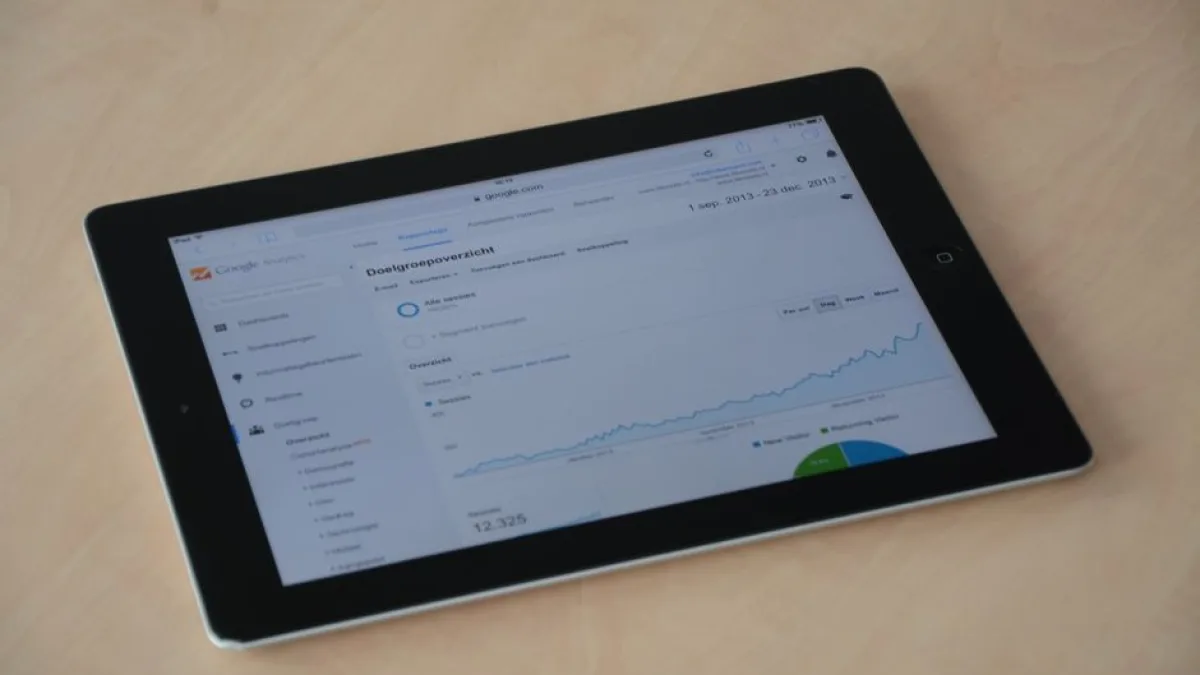
Data driven decision making is crucial for your clients who need to optimize their own supply chain costs. Providing custom reporting tools through a portal allows your customers to gain deep insights into their specific logistics performance, transit times, and total expenditure.
- Customizable dashboard widgets: Let your clients choose the metrics they want to see first, such as pending deliveries or total monthly costs, right on their portal home.
- Automated report generation: Schedule automatic delivery of performance reports to your clients on a weekly or monthly basis so they stay informed without manual data compilation.
- Exportable data files: Provide functionality that allows users to export shipment reports into standard formats like CSV or Excel for further analysis within their own systems.
- Cost analysis tools: Display breakdown visuals of shipping costs, enabling your customers to identify areas where they can improve efficiency and reduce their total freight spend.
Custom reports add immense value to your service offering by helping clients understand their unique shipping patterns. When you provide the tools for deeper analysis, you position your forwarding company as a strategic advisor rather than just a service provider. These insights help clients streamline their own business operations. Empowering them with actionable data creates a strong bond that encourages long-term client retention.
Conclusion

Investing in a comprehensive customer portal is the most effective way to modernize your freight forwarding business and scale operations efficiently. By centralizing visibility, documents, and communication, you deliver a professional experience that satisfies modern demands. Start leveraging your own digital portal today to increase client retention and drive operational excellence. MakeCargo provides the tools necessary to bridge the gap between you and your customers.