Why a Customer Portal is Essential for Modern Freight Forwarders
Monday, July 27 2026
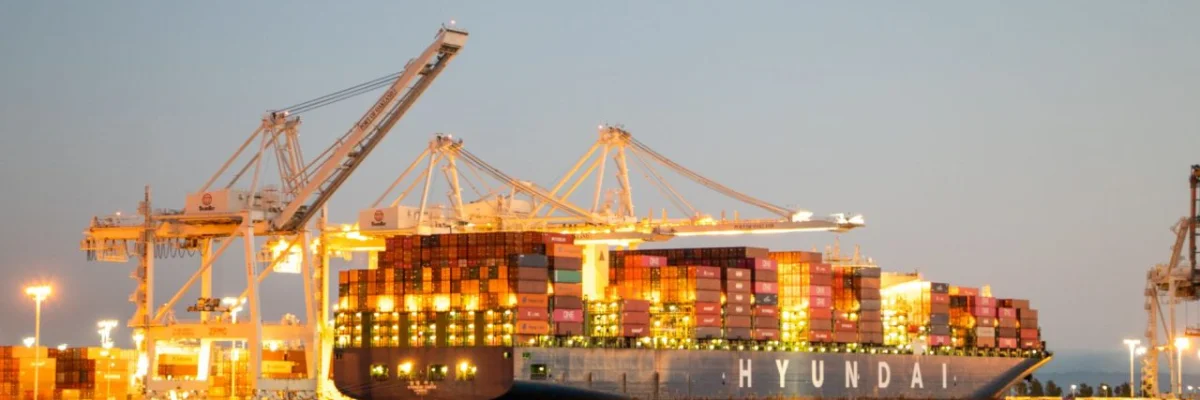
In the fast-paced world of logistics, manual updates and endless email chains are becoming relics of the past. Today, freight forwarders are under immense pressure to provide instant visibility and professional service that matches global consumer expectations. A dedicated customer portal bridges the gap between complex supply chain operations and client satisfaction. By integrating a centralized digital interface, forwarders can empower their customers to access documentation, track shipments, and communicate in real-time. This technological evolution not only reduces administrative overhead but also establishes a competitive advantage, ensuring that your firm remains the preferred choice in a crowded, digitizing global marketplace.
Enhanced Shipment Visibility
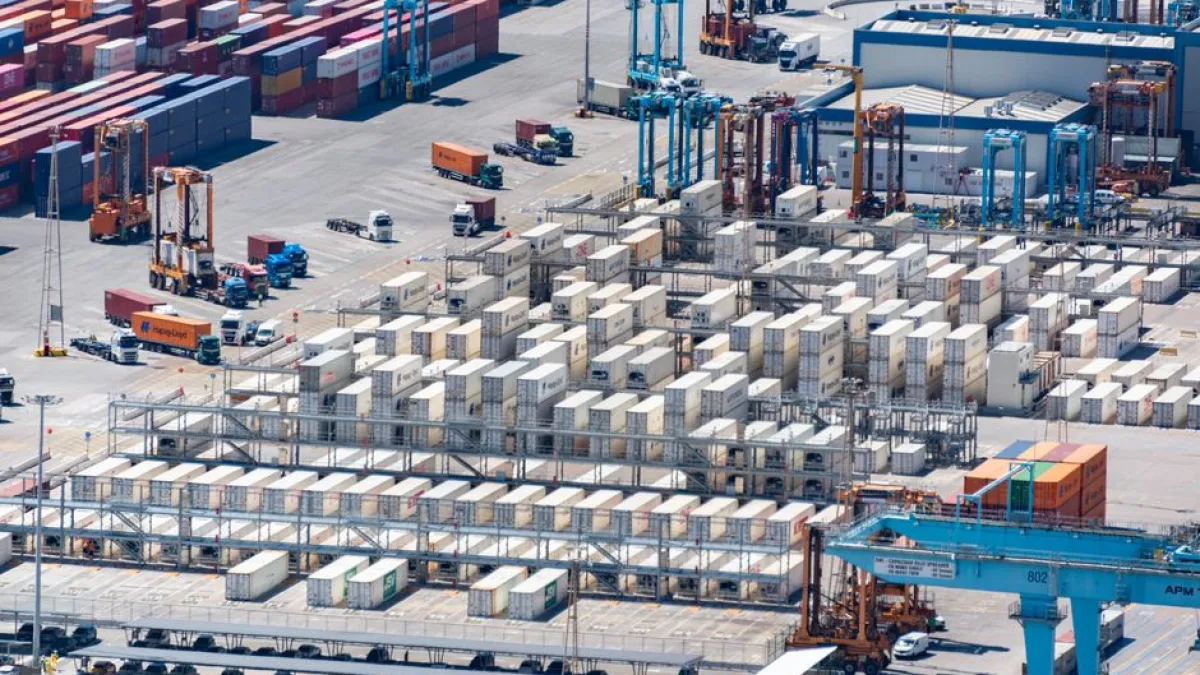
Real-time visibility acts as the heartbeat of modern logistics, keeping clients informed every step of the way. By replacing frantic phone calls with automated tracking updates, you provide stakeholders with the absolute certainty they need to manage their own inventories efficiently.
- Instant Status Updates: Clients view the live movement of their cargo without needing to contact your operations team, which significantly reduces the volume of repetitive status inquiry emails daily.
- Proactive Milestone Alerts: Automated notifications keep your customers informed about key transit milestones, ensuring they are prepared for incoming shipments and any potential logistical delays that might arise.
- Interactive Map Integration: Visualizing the journey of goods through interactive maps allows clients to grasp the location of their freight instantly, building trust through total geographic and operational transparency.
- Historical Data Tracking: Users can easily look back at past shipments to analyze supply chain performance, helping them make better long-term decisions based on their specific transit history.
Giving customers direct access to their shipment data changes the dynamic of your professional relationship. It shifts your role from a reactive service provider to a proactive logistics partner. When information flows freely through a secure digital portal, clients feel empowered and in control of their cargo. This level of transparency effectively minimizes anxiety and builds long-term loyalty that survives any market fluctuation.
Centralized Document Management

Managing stacks of paperwork is an operational nightmare that leads to costly errors and delays. A centralized portal provides a secure repository where all essential shipping documents are instantly available for download or review, ensuring compliance and speed at every stage.
- Automated Document Retrieval: Clients access invoices, bills of lading, and customs declarations instantly, removing the friction of manual requests and ensuring that every stakeholder has the correct files.
- Secure Cloud Storage: Your company files are kept safe in a protected digital environment, which reduces the physical clutter in your office while improving overall data security standards.
- Version Control Integrity: You can ensure that customers always access the latest versions of documents, preventing confusion that often stems from using outdated paperwork in complex global shipping.
- Permission-Based Access: You define who can see or edit specific files, which protects sensitive commercial information while still providing authorized parties with the access they truly require.
Digitizing your documentation workflow is the fastest way to increase productivity across your entire organization. By cutting out the need for email attachments and physical filing, you allow your team to focus on high-value tasks that generate revenue. Clients appreciate the professional nature of a portal that organizes everything they need in one location, making your company look more reliable and efficient.
Improved Communication Channels

Effective communication is the cornerstone of great customer service in freight forwarding. When clients have a dedicated channel to raise inquiries or share documents, the quality of interaction improves and the chance of information being lost in a chaotic inbox decreases.
- Integrated Support Ticketing: Clients submit inquiries directly related to specific shipments, allowing your staff to resolve issues faster by having all necessary contextual data immediately at their fingertips.
- Internal Team Collaboration: Comments attached to specific shipments keep your team aligned and informed, ensuring that no client request is ever overlooked during a busy workday period.
- Unified Inbox Experience: Consolidating all client discussions into one portal prevents important messages from getting buried in personal email folders, which leads to faster and more accurate responses.
- Real-Time Chat Features: Enabling instant communication tools allows for quick clarification on transit details, which keeps cargo moving and reduces the likelihood of dwell time in busy ports.
When communication is trapped in fragmented email threads, critical information often disappears, leading to mistakes. A portal consolidates all conversations, creating a single source of truth for your staff and customers. This clarity reduces frustration for everyone involved and helps your team maintain a high standard of accuracy. Better communication naturally leads to higher client retention rates and stronger professional relationships over time.
Scalable Operational Efficiency

Scaling your logistics business requires robust systems that do not break under pressure. A customer portal allows you to serve more clients with the same headcount by automating routine tasks, providing a scalable foundation for your future growth and profitability.
- Automated Reporting Tools: Clients can generate custom performance reports themselves, saving your administrative staff hours of manual data entry work while providing the client with deep logistical insights.
- Self-Service Onboarding: New customers can register and set up their profiles without needing manual intervention, making the process of winning and starting new business much faster today.
- Resource Optimization: By offloading basic data entry to the portal, your skilled employees can focus on solving complex logistical problems that actually require their expertise and human intervention.
- Seamless System Integration: Your portal syncs with your core freight management software, ensuring that data flows without human error, which maintains high levels of accuracy across the board.
Scaling a business is difficult when your team is bogged down by repetitive, manual data tasks. By moving these activities to a customer portal, you empower your clients to perform self-service functions that benefit your internal efficiency. This strategy prepares your organization for growth, enabling you to handle higher volumes of shipments without sacrificing the high-touch quality that your clients expect from you.
Conclusion
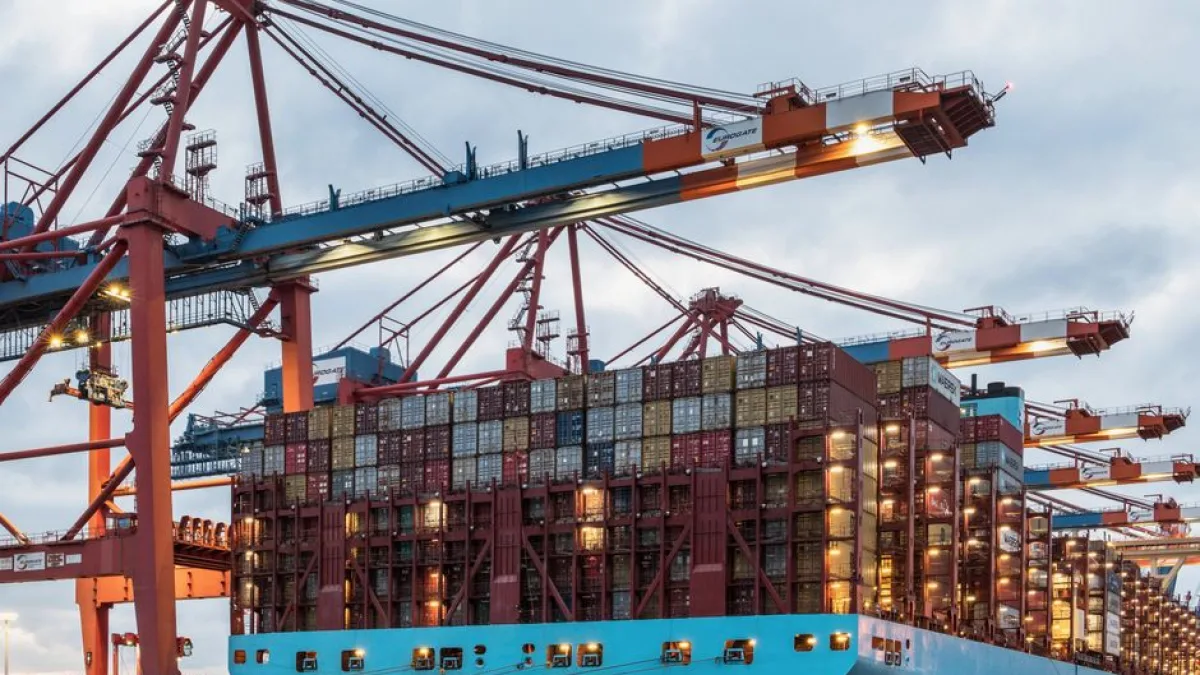
Implementing a customer portal is no longer a luxury but a fundamental necessity for freight forwarders striving for success in a modern digital economy. By enhancing visibility, centralizing documentation, and optimizing communication, you build a sustainable and efficient operation. Invest in the right technology today to stay ahead of the curve and provide your clients with the superior experience they demand for tomorrow.