Why a Customer Portal is Essential for Modern Freight Forwarders
Tuesday, September 15 2026
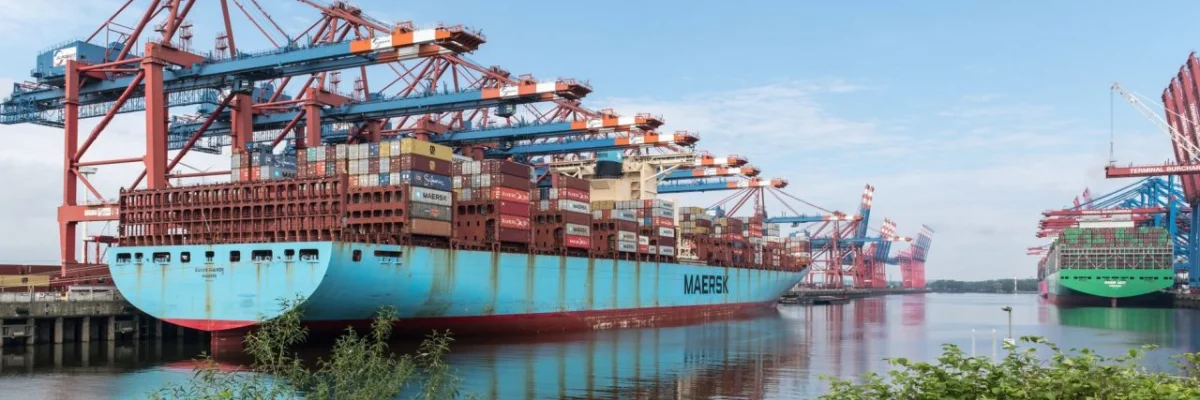
In the rapidly evolving landscape of international logistics, forwarders face mounting pressure to provide instant visibility and seamless communication to their clients. Manual updates and back-and-forth emails are no longer sufficient to maintain competitive advantages in a digital-first market. A dedicated customer portal transforms how you interact with your shippers by centralizing shipment data, documentation, and real-time tracking in one secure location. By leveraging a professional interface, your firm can significantly reduce administrative overhead while improving service quality. This strategic shift not only builds lasting trust with your partners but also scales your operations efficiently to meet global logistics demands.
Enhanced Visibility and Transparency

Providing clients with a 24/7 view of their freight movements eliminates the constant need for manual status requests. This visual transparency empowers customers to track their cargo journey through every milestone, effectively reducing their anxiety regarding delivery schedules and operational delays.
- Real-time status updates: Clients access live shipment data instantly without waiting for manual email responses or phone calls, ensuring they stay informed about the exact location of their valuable freight.
- Milestone tracking clarity: Displaying every step of the logistics process from pickup to final delivery builds immense confidence and prevents miscommunication between the freight forwarder and the shipper.
- Automated push notifications: Smart alerts keep stakeholders proactively updated on schedule changes or customs clearance progress, minimizing the need for reactive communications during complex international shipping routes today.
- Interactive shipment maps: Visual mapping tools provide an intuitive way for users to see vessel or truck positions, which adds a layer of depth to your professional freight services.
Adopting a customer portal allows your logistics team to focus on solving high-level supply chain challenges rather than answering routine status questions. When customers can access their information independently, your office staff experiences fewer interruptions and can dedicate more time to strategic account management. This digital transformation improves your overall service speed while simultaneously lowering the operational costs associated with manual customer support tasks.
Simplified Documentation Management

Effective document handling is a cornerstone of global trade, and digital portals offer a secure repository for all bills of lading, invoices, and customs documents. Centralized storage ensures that vital records are never lost and remain easily accessible to authorized users.
- Secure document repository: Centralizing all essential shipping paperwork within the portal protects sensitive data while ensuring that your clients have constant access to their important regulatory and commercial files.
- Simplified file retrieval: Advanced search functionality allows users to locate specific documents instantly by referencing container numbers or booking IDs, which drastically reduces the time spent on administrative tasks.
- Version control systems: Automated systems track document updates and changes to ensure that only the most current versions of legal paperwork are used for global trade compliance activities.
- Integrated digital signatures: Enabling e-signature capabilities directly within the portal accelerates the approval process for invoices and contracts, effectively removing traditional bottlenecks in the international document workflow for clients.
Moving away from cluttered email attachments preserves the integrity of your professional relationships and streamlines the auditing process for both you and your clients. By providing a clean digital environment for documentation, you demonstrate a commitment to technological maturity that appeals to modern shippers. This streamlined approach minimizes errors, prevents costly disputes, and ensures that every stakeholder remains perfectly aligned throughout the entire shipping lifecycle.
Streamlined Communication Channels

Bridging the communication gap between forwarders and shippers is critical for operational efficiency. A portal provides a dedicated space for messaging, which keeps important project discussions linked directly to specific shipments and prevents information from getting buried in busy inboxes.
- Direct message threads: Linking communication directly to specific shipment records ensures that contextual data is preserved, which helps your team resolve inquiries much faster than using traditional email methods.
- Centralized inquiry logs: Maintaining a comprehensive history of all client requests creates a valuable audit trail that can be used for dispute resolution or future process improvements later.
- Instant quote requests: Integrated forms allow customers to submit inquiries for new routes or special shipments directly into your system, which speeds up the procurement and booking cycle.
- Team collaboration tools: Multiple stakeholders can view and comment on project details within the portal, ensuring that everyone remains on the same page regarding critical shipping tasks today.
Effective communication directly correlates with higher client retention rates in the logistics industry. By providing a professional environment for interaction, you stop relying on fragmented email chains that often lead to missed messages or misunderstandings. This controlled environment ensures that critical information is always shared with the right people at the right time, fostering a culture of reliability and operational excellence.
Driving Competitive Market Advantage

Positioning your freight forwarding firm as a tech-enabled partner gives you a significant edge over competitors who rely on legacy processes. A robust customer portal serves as your primary marketing asset, showcasing your commitment to innovation and high-quality service standards.
- Brand identity customization: White-labeling your portal ensures that the user interface matches your company branding, which reinforces your professional identity every time a client logs into the system.
- Data-driven performance insights: Sharing analytical reports through the portal helps your clients optimize their own logistics spend, effectively turning your firm into a strategic supply chain consultant partner.
- Scalable service growth: Digital platforms allow you to onboard new customers faster without needing to hire additional administrative staff, which provides a sustainable path for your firm growth.
- Enhanced data security: Robust encryption features protect client information far better than standard email communications, providing your partners with the peace of mind they require for their business.
Forwarders who embrace digital portals are better positioned to meet the expectations of modern shippers who demand instant gratification and total transparency. By investing in this technology, you are not just improving your internal efficiency but also creating a premium experience that drives long-term customer loyalty. Stay ahead of market shifts by integrating these digital tools into your freight operations starting today.
Conclusion
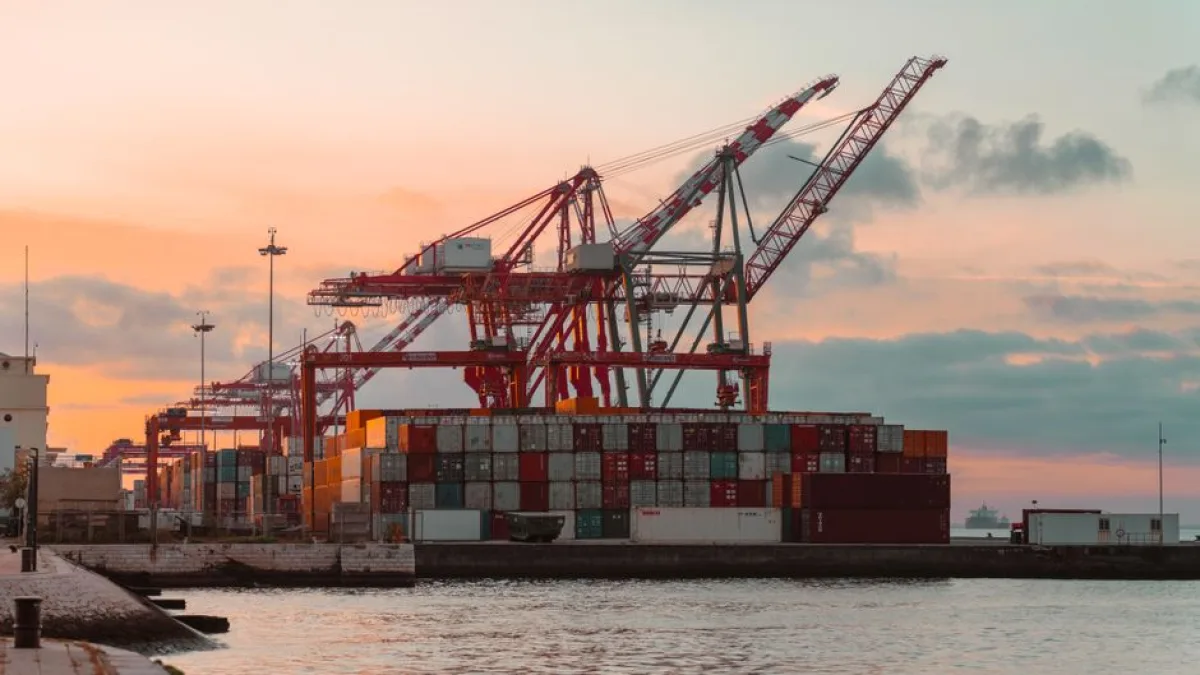
Deploying a customer portal is a critical step for freight forwarders looking to modernize their service delivery and improve client retention. By centralizing data, simplifying communication, and offering self-service tools, your firm can operate with far greater efficiency. Embracing this digital shift helps you remain competitive while building trust with partners. Start your digital transformation journey with MakeCargo to experience these significant operational benefits today.