Why a Customer Portal is Essential for Modern Freight Forwarders
Tuesday, September 15 2026
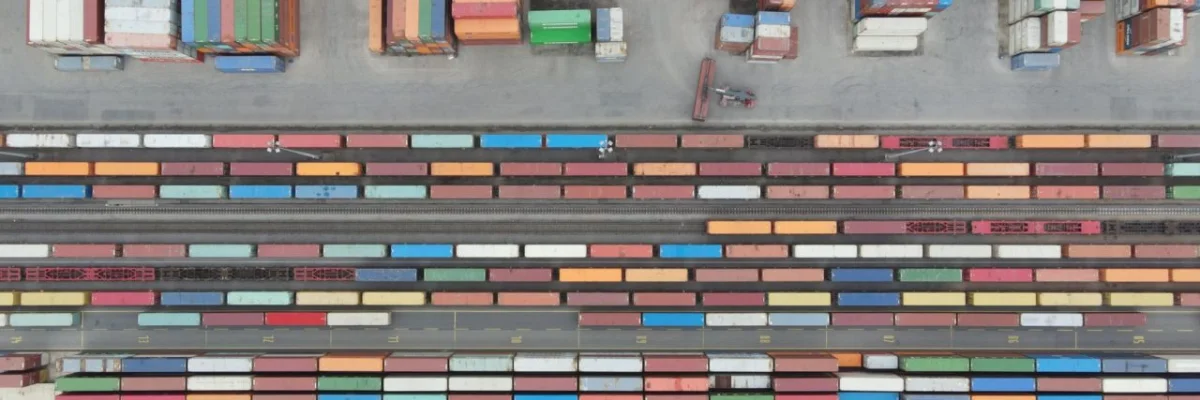
Modern freight forwarding is no longer just about moving goods from one point to another but about delivering superior service through digital transparency. Clients today expect real-time updates and instant access to their documentation without needing to send emails or make phone calls. By adopting a dedicated customer portal, your business can bridge the gap between complex logistical operations and the need for user-friendly interfaces. This digital transformation not only streamlines communication but also positions your company as a forward-thinking partner. Providing this self-service capability is the definitive way to differentiate your brand in a crowded logistics marketplace.
Centralized Document Management

Managing shipment documents manually is a major bottleneck that consumes valuable time for both your staff and your clients. A central repository allows users to access invoices, bills of lading, and customs declarations whenever they need them.
- Automated retrieval systems: Users can download essential shipment documents instantly without waiting for office staff to reply to email requests, significantly reducing administrative overhead and human communication delays.
- Version control accuracy: Centralizing files ensures every stakeholder views the most current documentation, preventing errors caused by outdated versions circulating through messy email threads and manual file transfers.
- Secure cloud storage: Protecting sensitive data becomes easier when all files are hosted in a secure environment with encrypted access, ensuring compliance with global data privacy regulations.
- Organized folder structures: Intuitive interfaces allow clients to sort and categorize their historical documents by shipment date, destination, or reference number, creating a clean and navigable digital history.
By implementing a centralized document system, you eliminate the constant back and forth that delays operations. Your team can focus on complex problem solving while clients enjoy the autonomy of managing their own files. This shift reduces the dependency on manual support, freeing up resources for higher value tasks. Ultimately, your professional image improves when clients receive high quality service with zero wait times.
Real-Time Shipment Tracking

Visibility is the top priority for shippers who want to know exactly where their cargo is during transit. A portal providing live tracking data transforms uncertainty into peace of mind for your most important global logistics partners.
- Live GPS tracking: Integrate real time carrier data to show exact vessel or vehicle locations on an interactive map, keeping your clients informed throughout the entire transit process.
- Milestone status updates: Automated notifications alert clients whenever their cargo reaches a key transit point, such as departing the port or clearing local customs at the destination.
- Proactive delay alerts: When unexpected issues arise, a portal allows you to update status notes immediately, helping clients manage their supply chain expectations despite external transit disruptions.
- Interactive dashboard views: Present shipment data in a clean dashboard format that offers a comprehensive snapshot of all active, pending, or completed shipments at any given time.
Providing granular visibility into the shipping lifecycle is the hallmark of a high quality logistics provider. Clients who can track their own shipments feel more connected to your services and trust your operations more deeply. As these tools become industry standard, your ability to offer live data becomes a massive competitive advantage. Keep your clients satisfied by keeping them in the loop.
Interactive Communication Channels

Effective communication reduces errors and keeps logistics chains moving smoothly. A portal serves as a dedicated channel for questions and updates, preventing important messages from being lost in crowded personal email inboxes during busy seasons.
- Integrated messaging tools: Dedicated chat modules allow clients to ask specific questions about a shipment, which are then attached directly to that cargo record for easy reference.
- Internal comment threads: Staff can leave private notes for internal teams while providing public answers to clients, ensuring that context is never lost during handovers between departments.
- Unified contact history: Every conversation is stored permanently in the portal, creating a searchable record that protects your business from disputes regarding past instructions or delivery requirements.
- Customized notification settings: Allow your clients to choose which updates they receive via email or push notifications, ensuring they stay informed without being overwhelmed by unnecessary alerts.
Switching to a portal based communication model streamlines your workflow by keeping all conversations within the relevant shipment file. This discipline prevents costly mistakes caused by miscommunication or missing information. Your staff will spend less time searching for old messages and more time delivering results. When communication is structured and accessible, your entire operation becomes faster, more accurate, and remarkably more efficient.
Streamlined Billing and Payments

Financial transparency is just as critical as logistical transparency in the modern freight world. Providing a clear view of outstanding charges and payment history via your portal helps maintain healthy relationships with your valued commercial shipping clients.
- Digital invoice access: Clients can view all outstanding invoices in one convenient location, allowing them to reconcile their records without needing to contact your accounting department directly.
- Secure online payments: Integration with reputable payment gateways enables your customers to clear their debts instantly, which improves your cash flow and reduces the time spent chasing payments.
- Transparent cost breakdowns: Provide detailed line item lists for every invoice, ensuring that clients understand every fee associated with their shipment to avoid disputes or confusion.
- Payment history logs: Offer a complete archive of all past financial transactions so clients can audit their own spending and confirm successful receipt of their previous payments.
Optimizing the billing process via a portal ensures that your revenue cycle remains consistent and predictable. By making it easy for clients to pay their bills, you reduce the time your staff spends on manual collections and accounting reconciliation. This professional approach to finance reflects well on your business and builds long term trust with your partners. It is a win for everyone.
Conclusion

Investing in a customer portal is the most effective way to modernize your freight forwarding operations and satisfy demanding clients. By providing transparency, accessibility, and efficiency, you position your brand as a leader in the global logistics industry. Start your digital transformation today to reduce administrative burdens and increase client retention. The future of freight is digital, and your customers are waiting for a better experience.