Why a Customer Portal is Essential for Modern Freight Forwarders
Monday, September 28 2026

In the fast-paced world of logistics, manual updates and fragmented communication channels are quickly becoming relics of the past. As supply chains grow increasingly complex, your clients demand instant visibility into their cargo movements and real-time access to vital documentation. Implementing a dedicated customer portal allows freight forwarders to bridge the gap between service providers and shippers effectively. By centralizing data and offering self-service capabilities, businesses can significantly reduce administrative overhead while improving overall client satisfaction. Embracing digital transformation through a customer portal is no longer just an optional competitive advantage, but a necessity for scaling operations in today's digital freight industry.
Boosting Operational Efficiency Through Automation
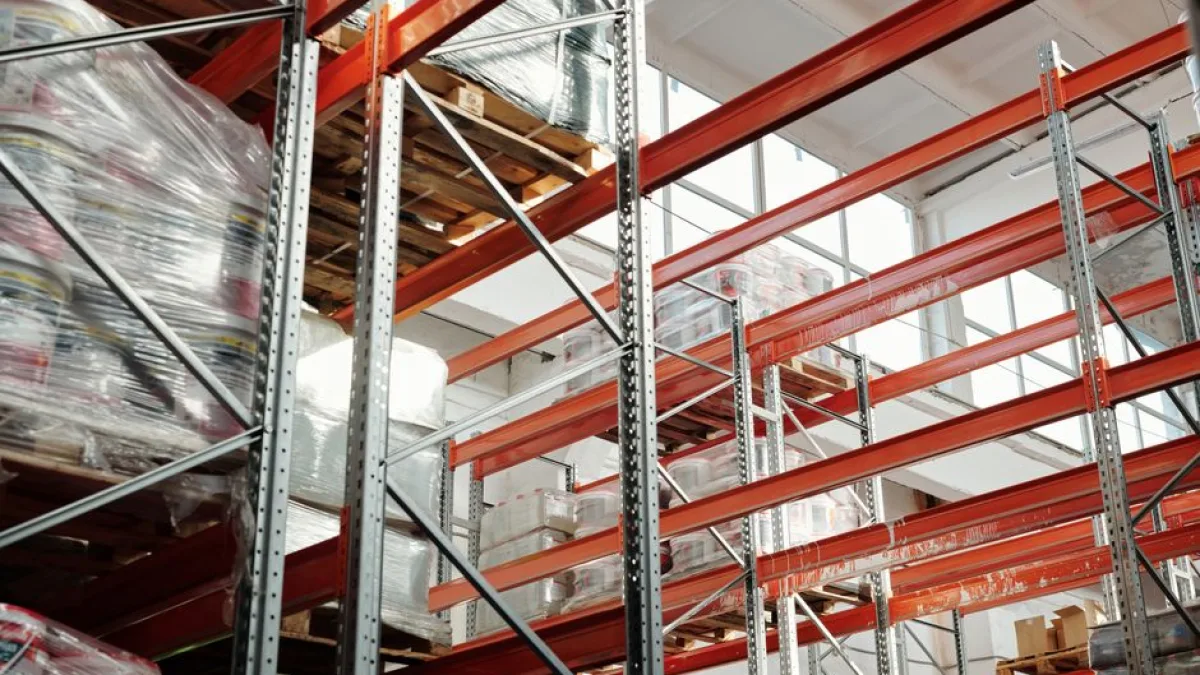
The integration of automation within a customer portal minimizes the reliance on manual email exchanges and repetitive status inquiries. By empowering clients to access data independently, your logistics team can shift their focus toward solving complex problems rather than performing data entry.
- Real-time status updates: Automated tracking features provide your clients with immediate notifications, ensuring they stay informed about shipment progress without needing to contact your team for manual status checks.
- Document management systems: A secure repository allows for the instant upload and retrieval of invoices, bills of lading, and custom documents, reducing processing time and manual filing errors.
- Self-service dashboard access: Clients can view their entire shipment history and performance metrics in one place, fostering transparency and trust while reducing the workload on your support staff.
- Automated email notifications: Configure custom triggers to send proactive alerts to your clients whenever a milestone is reached, significantly decreasing the volume of inbound status request emails daily.
By automating the flow of information, your team recovers hours previously spent on repetitive administrative tasks. This efficiency gain translates directly into higher productivity levels, allowing your staff to manage larger shipment volumes without increasing headcount. When systems handle the routine communication, your forwarders are freed up to focus on high-value tasks that drive revenue growth and improve long-term client retention rates across the board.
Enhancing Transparency with Real-Time Tracking

Transparency serves as the foundation of strong partnerships between freight forwarders and their clients. By providing a clear window into the supply chain, you demonstrate professionalism and reliability, which helps to foster deeper trust and long-term loyalty with shippers.
- Live cargo monitoring: Integrated tracking tools offer precise visibility into shipment locations across multiple transport modes, ensuring that clients can monitor their goods moving across global trade routes.
- Exception management alerts: Proactive notifications regarding potential transit delays or customs issues allow your clients to prepare contingency plans, maintaining a smooth and responsive supply chain operation.
- Interactive delivery timelines: Visual tracking maps provide intuitive snapshots of transit progress, helping stakeholders visualize the journey and predict arrival times with a high degree of accuracy.
- Historical data analytics: Clients can review past shipment performance to identify trends and optimize their logistics strategies, which adds significant value beyond standard freight forwarding service offerings.
Visibility serves as a powerful differentiator in the crowded freight forwarding market. When you provide your clients with granular control and immediate access to their logistics data, you eliminate the uncertainty that often plagues international shipping. This commitment to clarity transforms the client relationship from a simple transactional exchange into a strategic partnership, ultimately positioning your firm as an essential component of their success.
Strengthening Communication and Client Loyalty

Effective communication is the cornerstone of successful logistics management. A customer portal serves as a dedicated hub where all interactions occur in a secure and organized manner, ensuring that no critical information is ever lost within fragmented email threads.
- Secure messaging channels: Centralized communication tools keep all shipment-related discussions organized within the specific project context, making it easy to reference previous conversations or specific instructions provided.
- Unified client feedback: Digital portals facilitate a structured way for customers to provide ratings or direct requests, enabling you to improve your services based on actual user data.
- Standardized data exchange: Using a single source of truth for all communication ensures that both your team and your clients operate from the same set of accurate information.
- Enhanced support accessibility: Direct links to support resources or ticket management systems inside the portal ensure that clients feel prioritized and can reach help whenever they need assistance.
By consolidating communication into one portal, you minimize the risk of misunderstanding and speed up the resolution of complex queries. This professional approach to interaction demonstrates your commitment to quality and organization. As clients become accustomed to the ease of your digital infrastructure, they are far more likely to remain loyal to your brand, as the friction of switching providers becomes significantly higher.
Driving Competitive Advantage in Logistics
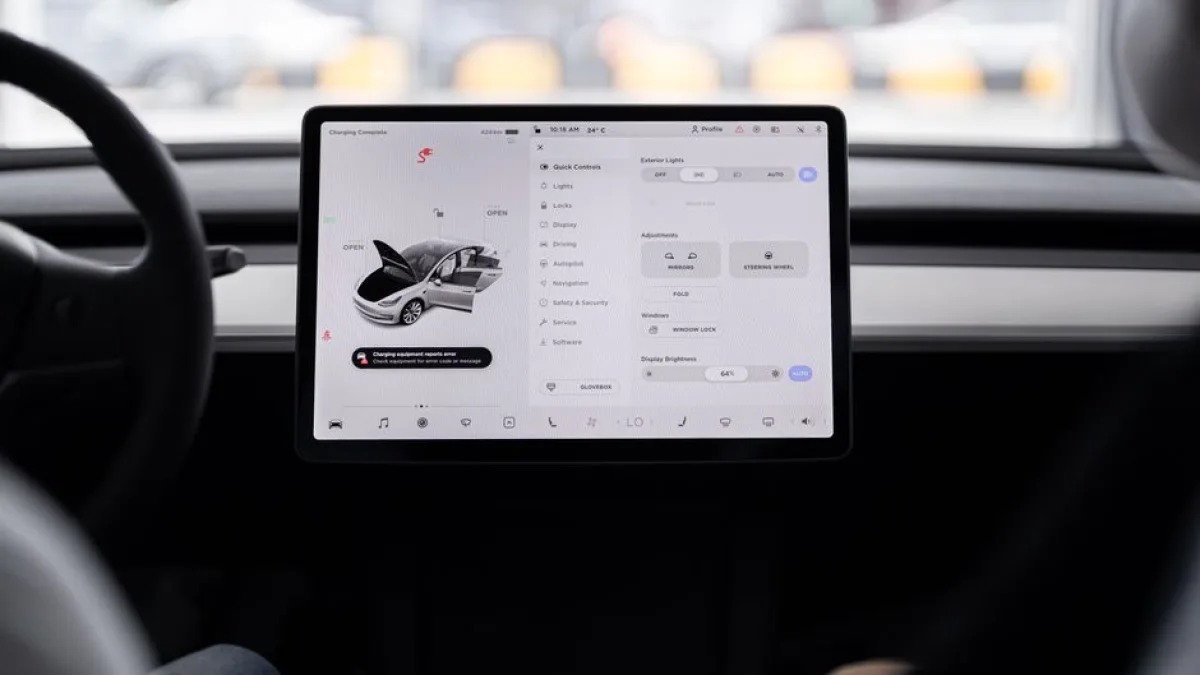
In an era where technology drives industry standards, adopting a customer portal helps you stand out from traditional competitors who still rely on legacy processes. It proves that your company is forward-thinking and invested in providing a modern, seamless experience.
- Scalable service offerings: A digital platform allows you to handle an increasing number of clients and shipments effortlessly, supporting your business growth without overwhelming your existing internal staff.
- Improved brand perception: Providing a sleek and functional portal interface enhances your professional image, signaling to potential and existing clients that you are a serious, technologically capable logistics provider.
- Data-driven decision support: Access to analytics allows your clients to make smarter supply chain decisions, which makes your service indispensable to their broader corporate operations and objectives.
- Lower operational costs: Reducing the time spent on administrative tasks and communication overhead directly improves your profit margins, providing the capital needed for further technology investments and business expansion.
Staying ahead of the curve requires more than just moving goods; it requires moving information effectively. By utilizing a customer portal, you provide a sophisticated service level that attracts high-value shippers who value efficiency and transparency. This technological edge not only wins you more business but also keeps your firm resilient against market fluctuations by maintaining a lean and highly responsive operation.
Conclusion
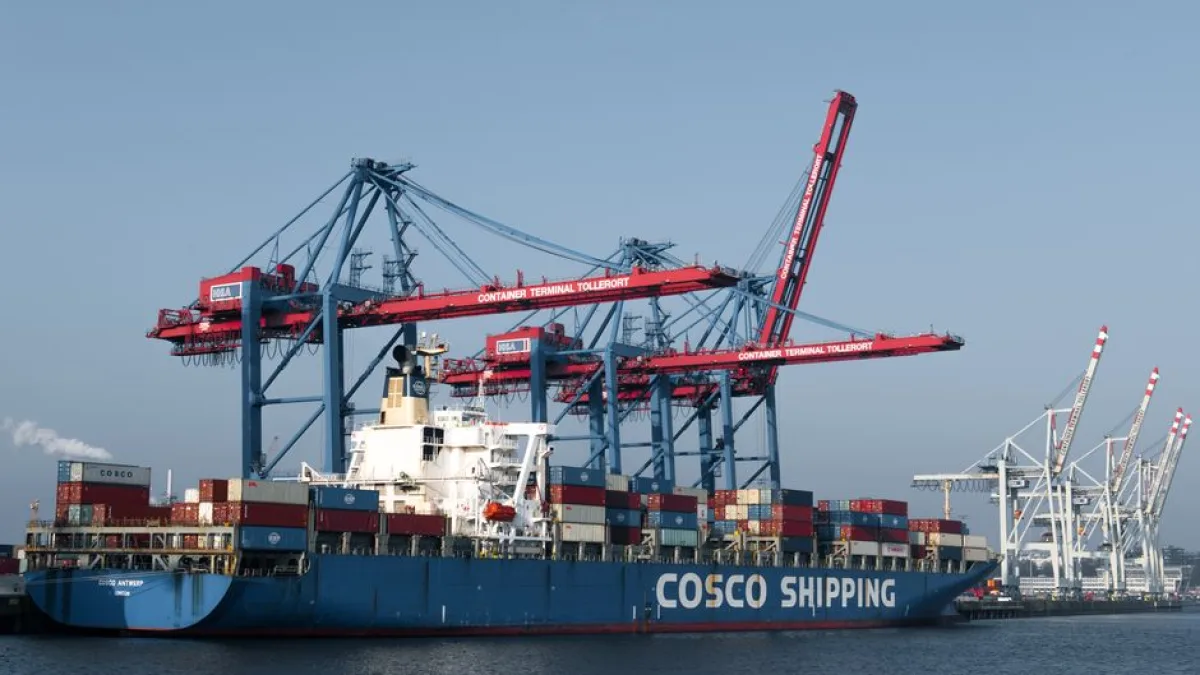
Integrating a modern customer portal is essential for freight forwarders aiming to survive and thrive in a competitive market. By prioritizing automation, transparency, and seamless communication, you empower your team to operate more efficiently while delivering a superior experience to your clients. Start upgrading your digital infrastructure today to ensure long-term growth and solidify your reputation as a leader in the global logistics industry.